
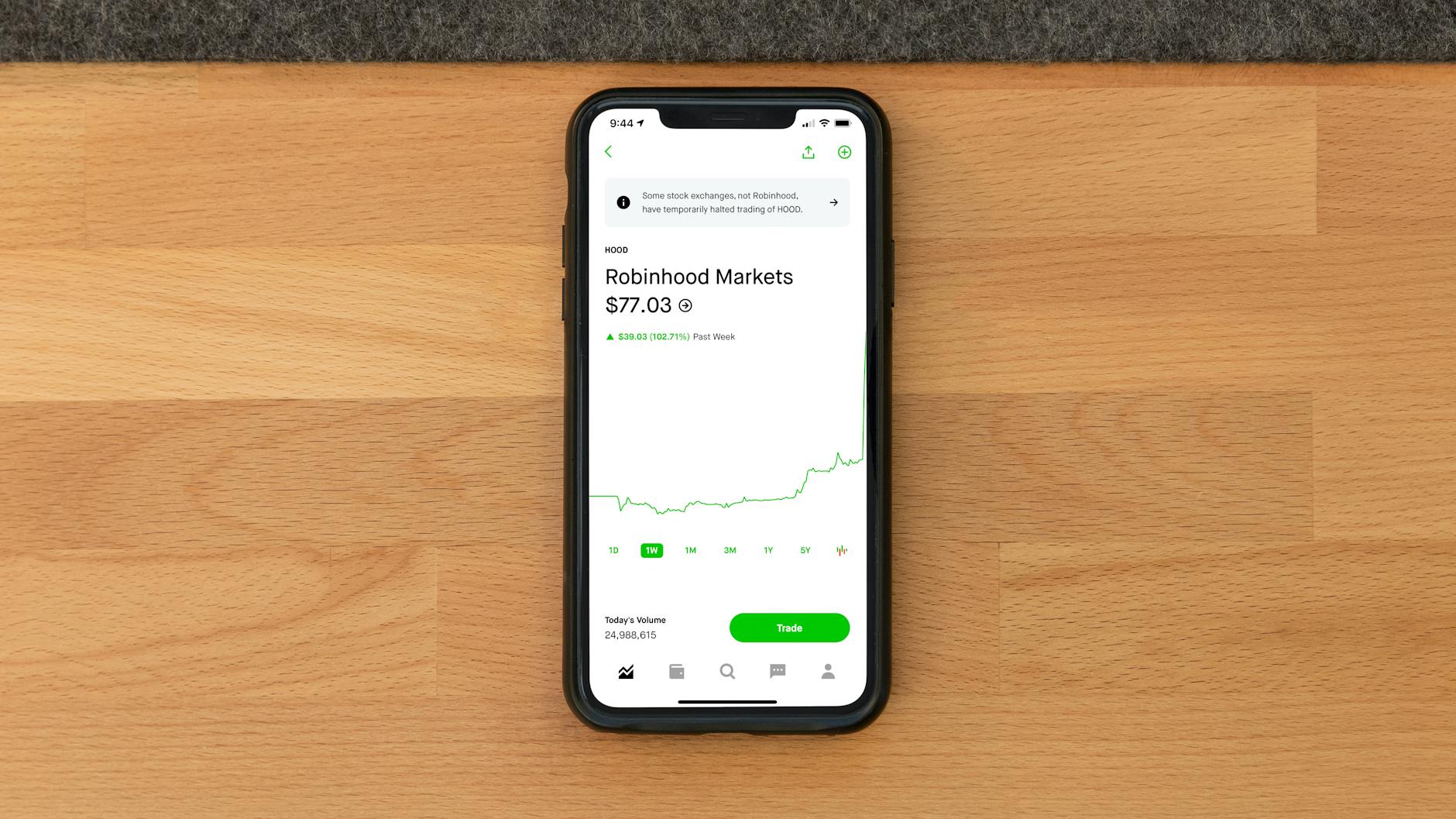
Robinhood Expands Buyback Strategy with $1.5 Billion Plan
Robinhood Markets, Inc. announced on March 24, 2026, that its board of directors has authorized a new share repurchase program totaling $1.5 billion, aimed at bolstering investor confidence and enhancing shareholder value. This initiative marks an extension of Robinhood’s commitment to capital returns and comes amidst significant fluctuations in the market.
The fresh authorization supersedes previous buyback programs, including a $1 billion authorization set for 2024 and 2025. This new plan adds over $1.1 billion in additional capacity to the company’s capital-return efforts. The board indicated that the shares would be repurchased through open-market purchases or structured trading plans, with execution planned over approximately three years, beginning in the first quarter of 2026, and is subject to market conditions and operational needs.
Market Context and Historical Comparisons
Robinhood previously undertook buybacks between 2024 and early 2026, repurchasing around 22-25 million shares at an average price of approximately $40.64 to $45. This totaled upwards of $910 million and indicated a proactive management approach amid fluctuating market dynamics.
Despite attracting substantial investments, the company has faced considerable volatility, with share prices plummeting nearly 55% from their peak of around $154 in October 2025 to approximately $69 as of late March 2026. This downturn coincided with the broader cryptocurrency market’s decline, particularly reflecting the drop in Bitcoin’s price from $126,000.
As part of an overarching strategy, Robinhood has concurrently expanded its credit facilities, now offering up to $3.25 billion, with provisions for potential increases to $4.875 billion. This financial maneuvering is partially aimed at addressing liquidity needs while supporting its operational and strategic goals.
What Lies Ahead for Robinhood?
The new buyback program is expected to play a pivotal role in improving Robinhood’s earnings per share and influence overall share value. Analysts suggest that as the company continues to pivot towards optimizing investor relations and shareholder returns, upcoming quarterly earnings reports will provide crucial insights into the effectiveness of these strategies.
Fundamentally, this buyback initiative reflects a significant confidence in Robinhood’s long-term potential despite the overall market turbulence. If executed efficiently, the measures could bolster investor sentiment at a time when crypto trading interest remains fluctuating. This alignment of financial strategy with operational execution might set the foundation for Robinhood to navigate any further market volatility while enhancing its standing among shareholders.








