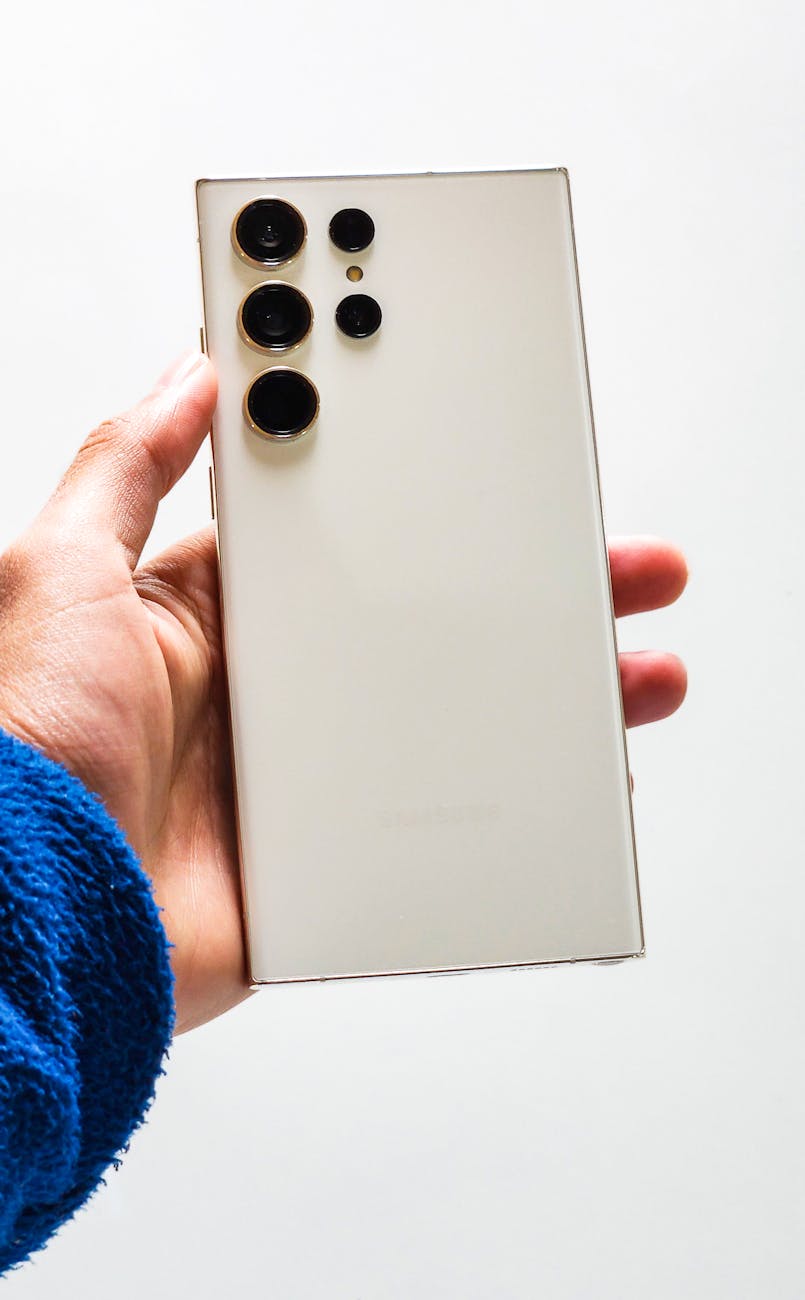
The Launch of the Galaxy S26
Samsung unveiled its Galaxy S26 smartphone on Tuesday, marketing it as the world’s first “Agentic AI Phone” designed to execute complex tasks on behalf of its users. This innovation could redefine the boundaries of smartphone technology, positioning Samsung at the forefront of competitive mobile AI development.
The Galaxy S26 is designed around a new concept termed “agentic AI,” where the integrated AI proactively automates tasks rather than merely responding to user queries. This shift allows users to engage more efficiently with their devices, potentially transforming everyday smartphone interactions.
Features of the Galaxy S26
One of the standout aspects of the Galaxy S26 is the enhanced version of Bixby, Samsung’s voice assistant. This iteration allows for natural language dialogue for controlling settings and navigating the device without the need for precise commands. Users can perform multi-step tasks more seamlessly, such as instantaneously booking a taxi through voice commands.
Samsung has partnered with third-party AI tools like Google’s Gemini and Perplexity to amplify the capabilities of this device. For example, Gemini can interpret multiple conversational threads within group chats and carry out actions such as ordering food from a delivery service while managing several other tasks in the background. Initial integration focuses on popular apps, including Uber and GrubHub, with plans to extend functionality to other services.
The introduction of features like “Now Nudge” and “Now Brief” enhances the phone’s ability to provide real-time suggestions tailored to ongoing conversations and schedules, thus capturing the context of users’ needs. Moreover, the Circle to Search tool aims to deepen image recognition and context for searches, enabling users to extract information about multiple objects using their camera in one go.
Market Implications and User Experience
Analysts view the Galaxy S26 as potentially groundbreaking in the smartphone market, particularly in the integration of artificial intelligence into everyday device functions. Marketers suggest that Samsung’s move is timed perfectly to attract tech-savvy consumers looking for smarter devices in an increasingly AI-driven landscape.
However, as the competitive landscape intensifies, the Galaxy S26’s success may hinge on user uptake and satisfaction. Market responses to the AI integrations will measure their actual effectiveness, which echoes the tech industry’s history of product launches where innovative features either gain traction or falter. Executives emphasize a strong focus on the user’s privacy in this integration, pointing to enhanced security features, such as secure Private Albums and real-time data access alerts for apps.
Looking Ahead: The Future of Smartphone AI
The Galaxy S26 is aiming to set a benchmark with its ambitious agentic AI capabilities, positioning Samsung as a leader in a new application of artificial intelligence in consumer technology. This phone could herald a significant paradigm shift in the role of smartphones, evolving beyond traditional communication tools to become proactive assistants in various daily tasks.
If Samsung’s execution is successful, it might compel competitors to accelerate their own AI capabilities, heightening innovation in the sector. This push towards agentic AI technology could see mobile devices fundamentally change how they interact with users, potentially laying the groundwork for future developments in user-centered technology interface.