
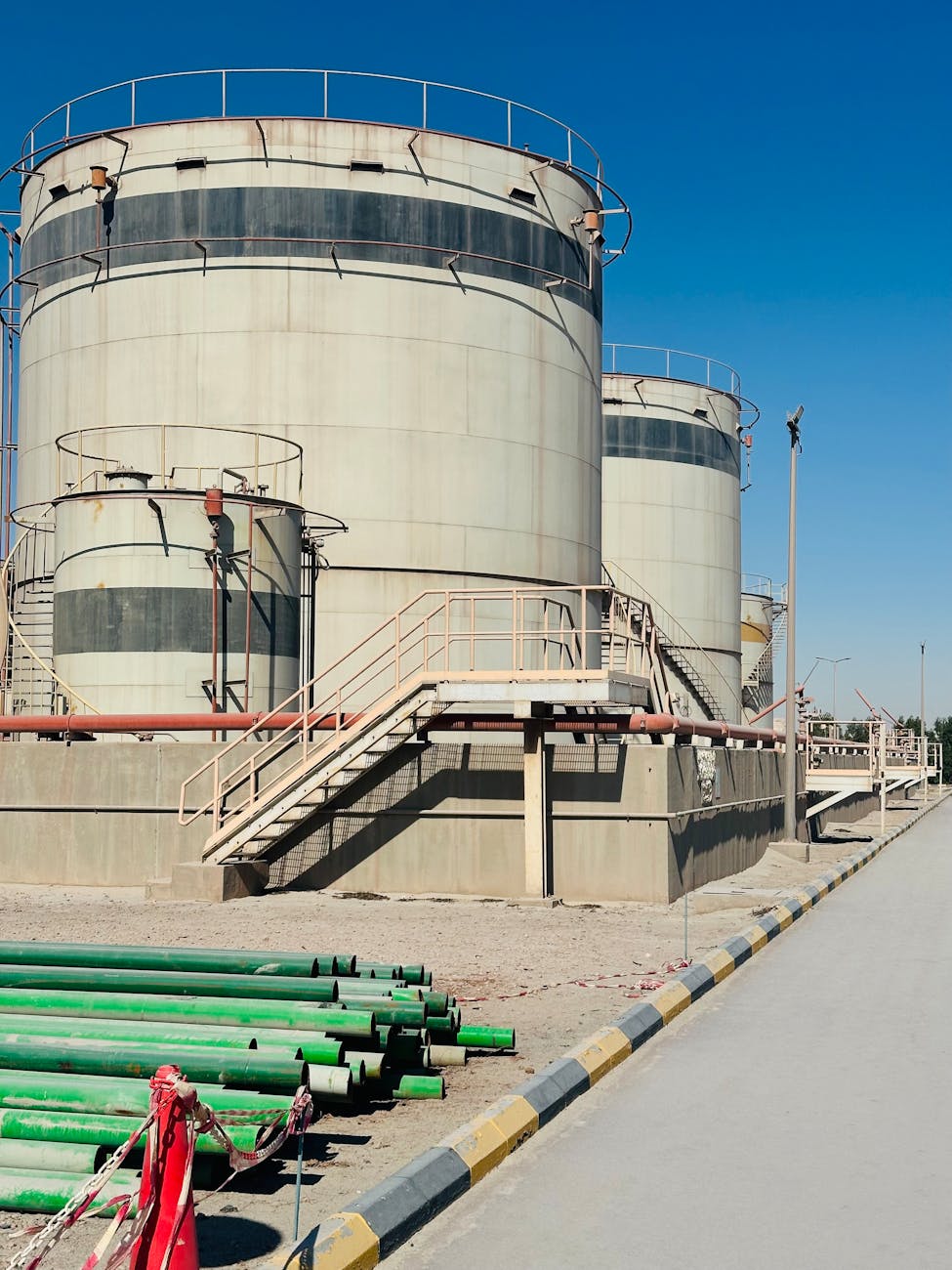
Saudi Arabia’s Petroline Pipeline Achieves Full Capacity Amid Ongoing Hormuz Crisis
Saudi Arabia announced that its Petroline pipeline has reached a milestone operational capacity of 7 million barrels per day this week, serving as a crucial alternative route for oil exports as the crisis in the Strait of Hormuz continues into its fifth week. The blockade has drastically reduced traffic through this essential maritime corridor, affecting around 90–95% of shipments.
The 1,200-kilometer Petroline, linking the oil-rich eastern regions to the Red Sea, has become increasingly vital as a contingency amidst geopolitical tensions heightened by Iranian threats against shipping routes and recent hostilities in the Middle East. This development marks a significant pivot for Saudi exporters, providing a backup route to maintain vital oil exports and mitigate disruptions, notably as crude oil prices surge globally.
Record Red Sea Exports at Yanbu
Crude exports from the Saudi port city of Yanbu are reportedly at a record pace, reflecting the kingdom’s efforts to reroute oil shipments that would typically pass through the Strait of Hormuz, according to industry reports. This strategic pivot comes as the Houthis, a Yemeni rebel group, claimed their forces are “fingers on the trigger,” ready to launch further attacks that could threaten oil shipping lanes in the region.
The rising congestion and delays at Yanbu could pose challenges, yet operators remain committed to maximizing output. “We’re seeing a reshaping of export strategies as circumstances evolve,” an industry expert noted.
The intensifying conflict has led to substantial volatility in crude oil futures, which have climbed to multi-year highs. Market analysts acknowledge the difficulties Saudi Arabia faces in maintaining output levels as operational risks grow, while every significant disruption continues to place a premium on oil prices globally.
Global Market Response and Future Outlook
As global reliance on Middle Eastern oil faces potential threats due to the ongoing closure of the Strait of Hormuz, analysts are bracing for further implications on pricing and supply stability. The infusion of more oil supplies through Petroline does provide a buffer; however, concerns about sustained disruptions linger, leading to increased market speculation.
Many analysts suggest that if the situation does not stabilize, a significant spike in oil prices could ensue, fueled by fears of extensive supply losses. Historically, the oil market has shown resilience, yet the capacity to absorb shocks is increasingly scrutinized as geopolitical tensions rise.
Looking ahead, Saudi Arabia’s ability to navigate this operational shift could determine not only domestic energy policies but also set the tone for global oil markets. As the situation evolves, stakeholders are poised to weigh the long-term effects of strategic adjustments in energy transport.








