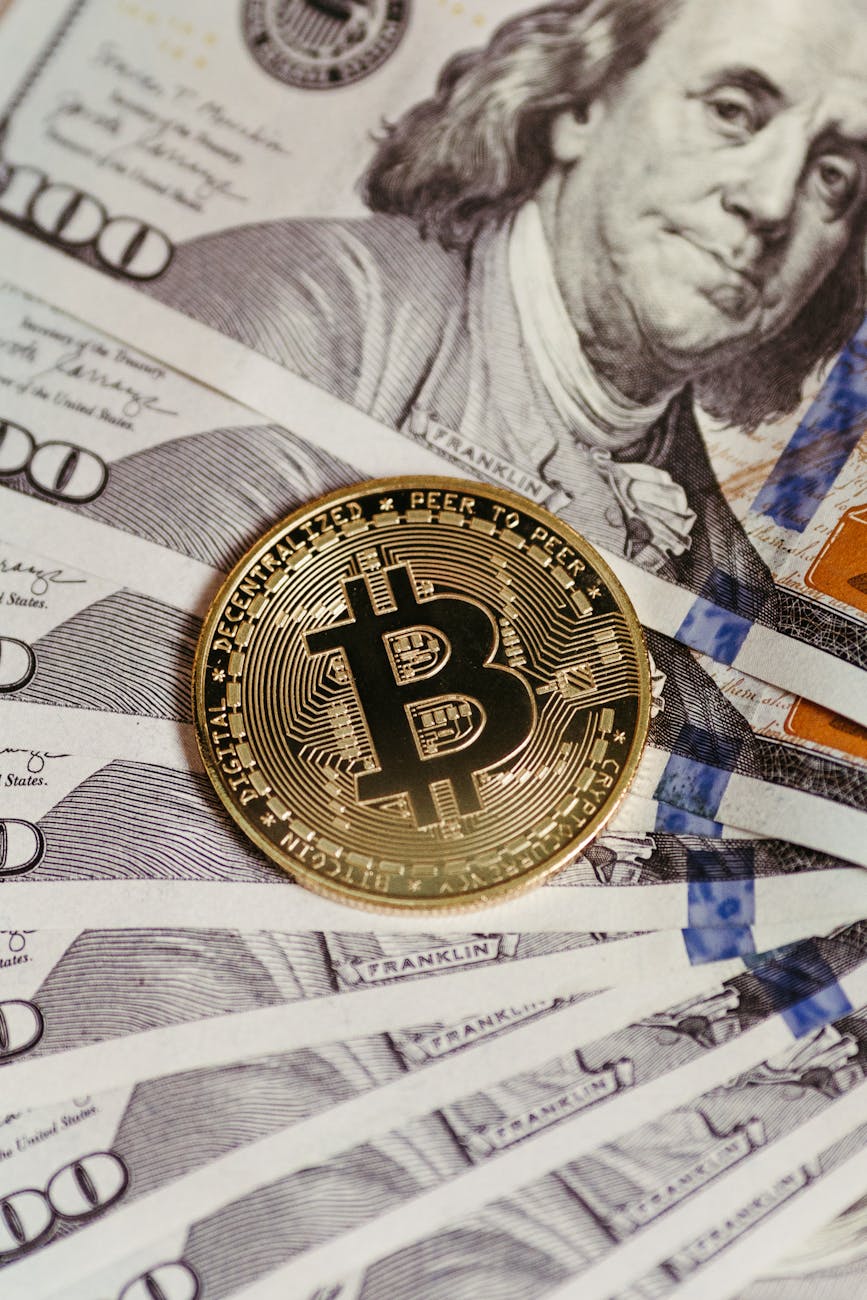
SoFi and BitGo Partner to Launch U.S. Dollar-Pegged Stablecoin
SoFi announced a strategic partnership with BitGo on March 5, 2026, to launch SoFiUSD, a new stablecoin pegged to the U.S. dollar, which aims to enhance the accessibility and functionality of digital finance within the banking ecosystem.
SoFi, a leading fintech company, has taken significant steps to bridge the gap between traditional finance and cryptocurrency. By collaborating with BitGo, a widely respected provider of cryptocurrency custodial services, SoFi aims to create a compliant and secure infrastructure for its stablecoin, which is notable for being issued by a nationally chartered and FDIC-insured bank. The introduction of SoFiUSD comes at a pivotal moment, following recent U.S. legislation that encourages digital dollar innovations, presenting new opportunities for digital currencies in financial markets.
BitGo’s Role in SoFi’s Launch Strategy
BitGo, known for its robust technology platform, has been selected to support SoFiUSD through its Stablecoin-as-a-Service infrastructure. This technology will facilitate the minting, burning, and transaction processes of SoFiUSD using advanced smart contracts and custody systems. The collaboration extends beyond technology deployment as BitGo will actively partner with various payment providers and market participants to broaden adoption and integrate the stablecoin into the existing digital asset ecosystem, ensuring liquidity and accessibility.
“SoFiUSD represents the convergence of compliant banking and blockchain efficiency. We are proud to provide the infrastructure that enables SoFi to issue a stablecoin that’s safe, reliable, and ready to scale,” said Mike Belshe, CEO and Co-founder of BitGo.
The significance of this development cannot be overstated. The partnership emphasizes the necessity for regulatory compliance, given that both SoFi and BitGo are regulated by the Office of the Comptroller of the Currency (OCC). This regulatory adherence bolsters the credibility of SoFiUSD within the marketplace, aiming to appeal to both retail and institutional investors, who have been increasingly cautious about the legitimacy and security of digital asset offerings.
The Market’s Reception and Broader Implications
The financial industry is keenly observing the emergence of SoFiUSD as it adds to the growing list of U.S. dollar-backed stablecoins. Analysts argue that its introduction may stimulate further interest in regulated digital assets and help establish standards for compliance and security in the sector. The active participation of a bank in the stablecoin space may also encourage other financial institutions to explore similar options, thereby expanding the traditional banking landscape.
Experts predict mixed reactions to the launch, as established players may feel the pressure to adopt innovations to retain market share. Furthermore, the move could pave the way for collaboration between traditional banking institutions and fintech firms, offering consumers better services that combine the benefits of both sectors.
Ultimately, the launch of SoFiUSD could be a significant development in the push for widespread adoption of digital currencies in everyday financial transactions. As the market watches closely, the implications of this partnership extend beyond immediate integration of a new digital dollar, signifying a potential shift towards a more digitally-integrated economic landscape.