Spielberg’s Concerns Over AI in Filmmaking
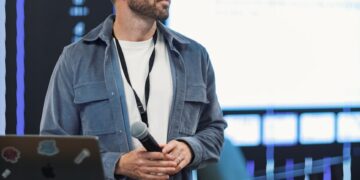
Steven Spielberg expressed his opposition to artificial intelligence replacing human creativity in filmmaking during a panel at SXSW on March 14, 2026, emphasizing that the essence of creative roles should remain distinctly human. The acclaimed director stated, “I am not for AI if it replaces a creative individual,” highlighting his commitment to traditional storytelling methods.
Although Spielberg acknowledged the advancements of technological tools in cinema, he clarified that he has never incorporated AI into any of his films. His comments come at a time when the industry grapples with the implications of AI’s increasing integration into creative processes. Spielberg maintains that these emerging technologies should serve as supportive tools to enhance human creativity rather than serve as substitutes for artistic professionals.
AI Technology and the Hollywood Debate
As AI continues to evolve, a growing debate within Hollywood centers around its potential impact on creative industries. Major studios are experimenting with AI to streamline various production elements. For instance, Amazon and Netflix are reportedly testing AI tools for different purposes, underscoring a significant shift toward automating some aspects of filmmaking. However, many filmmakers, writers, and actors share Spielberg’s apprehension regarding the implications for job security and creative ownership.
Spielberg’s insistence on casting aside AI from his writing rooms reflects a deliberate effort to keep creative decision-making firmly human. He distanced himself from the notion that AI can take the place of directors, balance creative narratives, or engage audiences in finding emotional connections through storytelling—activities he believes are inherently human and irreplaceable.
This ongoing discourse raises important questions regarding how the industry balances technological progress with maintaining the artistry of film. Spielberg’s remarks resonate with a wider segment of creative professionals who fear that over-reliance on AI could dilute the quality and authenticity of cinematic works.
Anticipating AI’s Role in the Future of Filmmaking
Despite expressing hesitance, Spielberg’s use of the term “yet” when talking about AI suggests that he may remain open to its future developments. In an industry that is continuously evolving, the potential for AI to assist in a supportive capacity is still on the horizon. Experts contend that filmmakers might adapt AI not as a replacement but as a means to enhance their artistic vision, akin to the relationship between artists and advanced technology throughout cinema history.
The dialogue instigated by Spielberg highlights an essential consideration for Hollywood’s occupants: how to harness AI’s capabilities while preserving the core values of creativity, storytelling, and the human experience. As discussions continue, filmmakers and industry leaders will need to confront the challenges and opportunities presented by these new technologies, potentially reshaping the creative landscape of cinema for years to come.