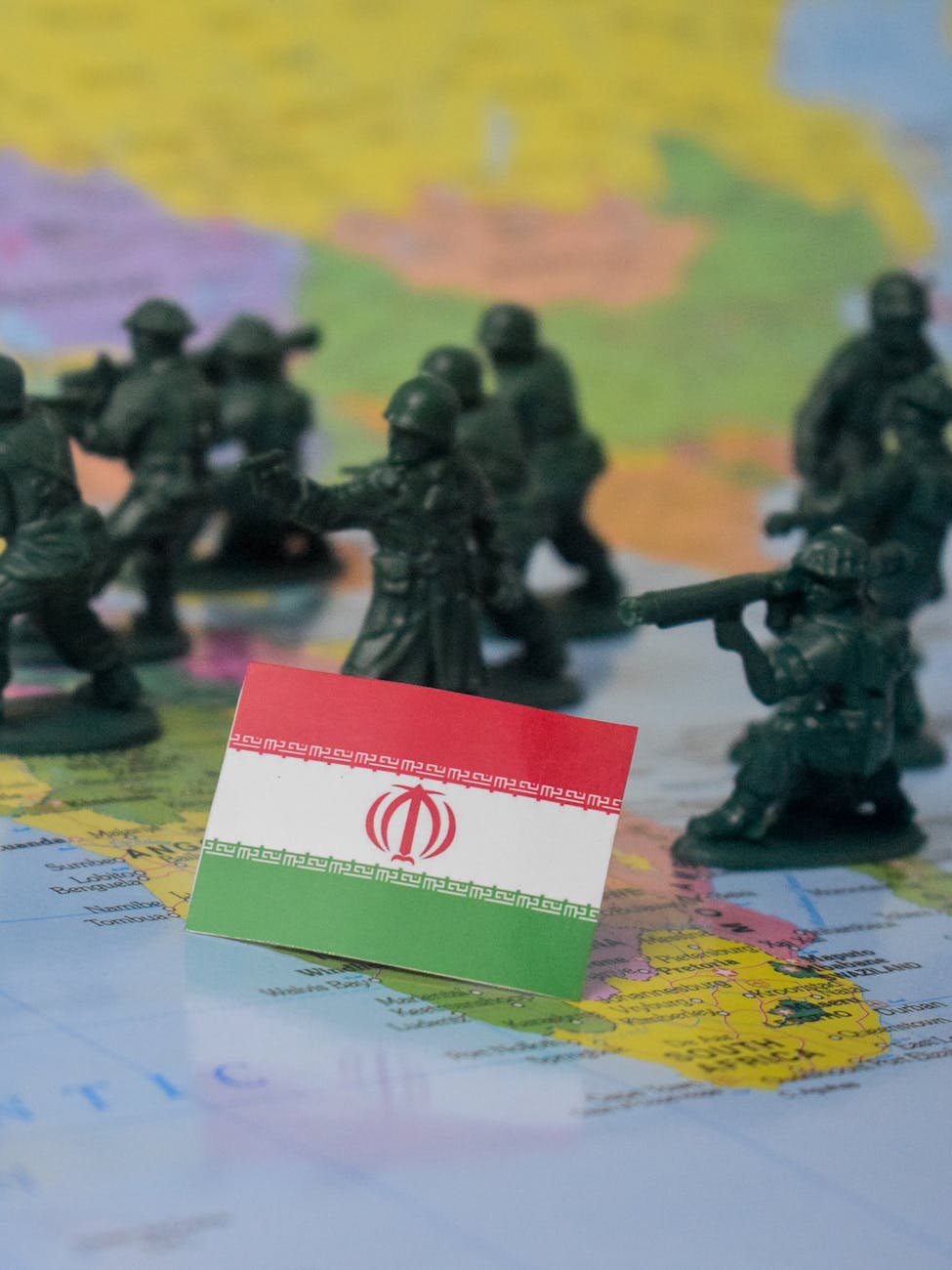
U.S. Naval Blockade of Iran Initiated Amid Stalled Diplomacy
U.S. President Donald Trump announced a naval blockade of Iranian ports on Sunday, stating that the action is necessary to prevent Iran from “extorting the world.” This blockade commenced following unsuccessful negotiations aimed at reducing tensions over Iran’s nuclear ambitions.
The blockade targets the Strait of Hormuz, a crucial waterway that accounts for around 20% of the world’s oil supply, and restricts all ships entering or leaving Iranian ports. Trump emphasized that while military pressure is being applied, “the right people” are still pursuing diplomatic solutions to the ongoing crisis. His statements reflect a dual approach that combines military readiness with an openness toward negotiation.
Details of the Blockade
According to a statement released by Trump, the U.S. Navy would begin to intercept all ships that either pay a toll to Iran or try to navigate through the strategically vital Strait. Reports have indicated that Iran continues to maintain a significant military presence in these waters, with approximately 60% of the Islamic Revolutionary Guard Corps navy’s patrol fleet remaining intact despite recent conflicts.
In his social media announcements, Trump made it clear that in light of the blockade, any Iranian vessels challenging U.S. authority would face destruction. He stated that the U.S. military would “immediately ELIMINATE” any Iranian boats attempting to navigate the blockade, warning of severe repercussions for any interference with this operation.
Despite the escalating military tensions, Trump suggested he remains hopeful for a diplomatic resolution, labeling prior talks with Iranian representatives as “very friendly.” This sentiment was echoed by U.S. Vice President JD Vance, who stated that any future negotiations would depend on Iran’s cooperation and willingness to compromise. Trump’s comments hint at a complex strategy of leveraging both military might and diplomatic communications to navigate the current impasse.
Market Reactions and Global Implications
Market reactions to the blockade have been mixed. Oil prices surged following the announcement but later stabilized as investors remained cautiously optimistic that peace talks could eventually resume. European markets displayed gains early in the week, bolstered by optimism around the potential for renewed negotiations. However, ongoing concerns about the implications of a continued blockade on global oil supplies cast a shadow over these developments.
Analysts have warned that if the situation escalates further, it could lead to significant disruptions in oil markets, affecting not only American but also global energy consumers. The Strait of Hormuz has historically been a flashpoint for geopolitical tensions, and the current blockade reignites fears of conflict in the region.
Looking Ahead: What Comes Next?
As the situation unfolds, industry experts are advocating for a balanced approach that prioritizes diplomatic efforts while ensuring that security is maintained in critical shipping lanes. The coming weeks will be pivotal, as both Iran and the U.S. navigate this fragile landscape where military actions and diplomacy intersect.
Should negotiations resume, any agreements will likely revolve around Iran’s nuclear program and its activities in the Strait. The international community will be closely monitoring these developments, understanding that stability in the region is vital for maintaining secure energy supplies and global economic balance.
Sources
- U.S. President says “the right people” seek deal despite start of Iran blockade
- Trump declares US Navy to begin blockading Strait of Hormuz ‘effective immediately’
- US Navy To Block Ships From Iranian Ports
- European markets set to rise on hopes that Iran peace talks can resume
- Trump Vows US Will Sink Any Iran Boats That Challenge Blockade
- Live Updates: U.S. set to begin Iranian ports blockade, partial blockade of Strait of Hormuz after talks fail