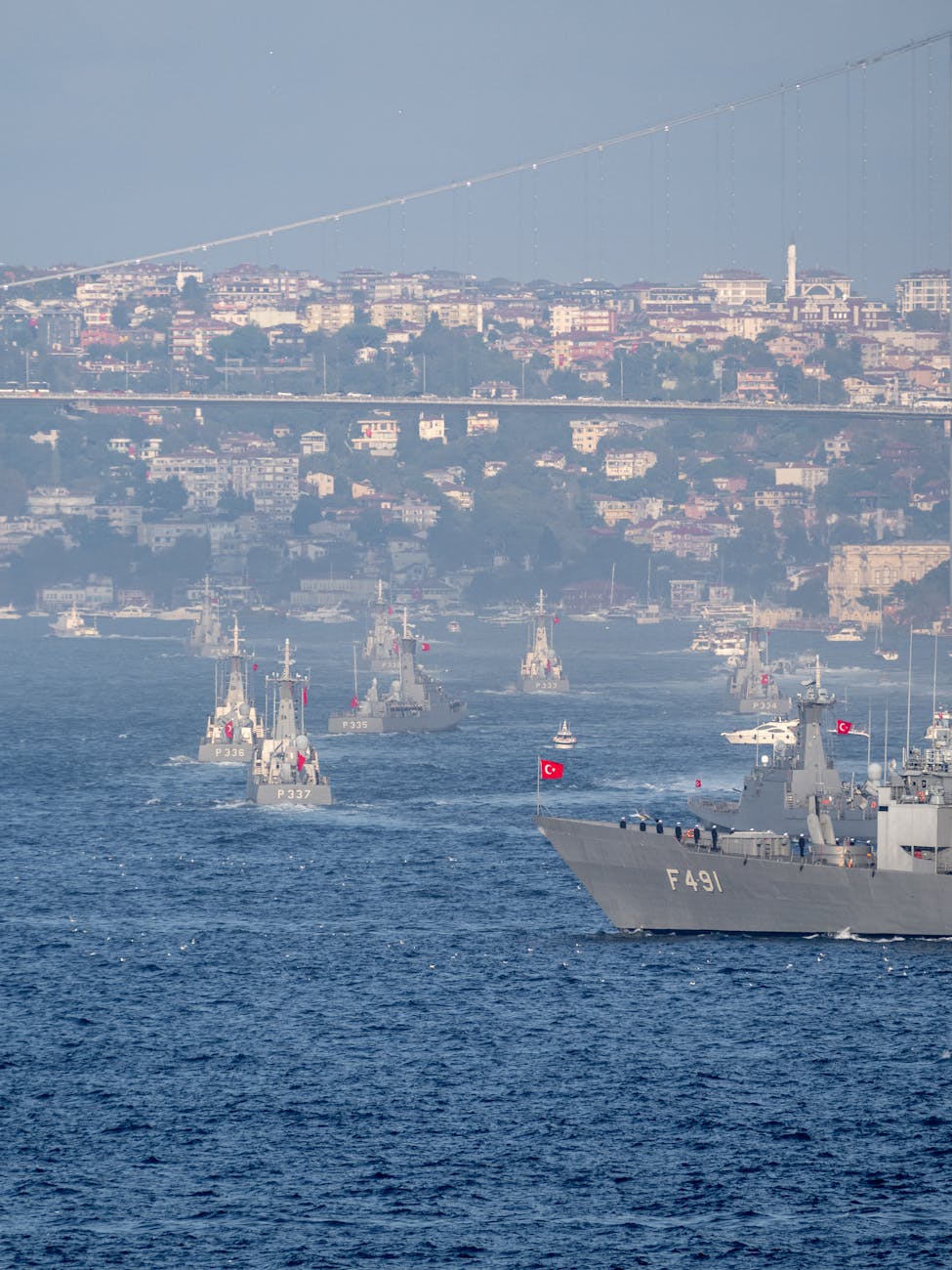
U.S. Military Moves to Secure Oil Supply
President Donald Trump announced the deployment of U.S. naval forces and invited allies to join efforts in securing the Strait of Hormuz on March 4, 2026, amidst escalating tensions with Iran that threaten a vital oil supply route.
In a post on Truth Social, Trump emphasized the need for protection of the strait, through which 21 million barrels of oil are transported daily. He called on countries including the UK, China, Japan, France, and South Korea to send warships to bolster naval presence to ensure safe passage against Iranian threats, which have, so far, included the attempted closure of the strait.
Military Tensions Rise in Gulf Region
Trump’s announcement follows a significant downturn in maritime traffic through the Strait of Hormuz, which saw a 70% drop since U.S. airstrikes on Iranian positions began on February 28. Gas prices in the U.S. increased by 11 cents as the military actions against Iran unfolded. Despite Trump’s assertions that U.S. forces have effectively dismantled Iran’s military capabilities, threats persist, including warnings from Iranian officials that vessels entering the strait may be subject to attack.
Experts in maritime security noted that despite U.S. naval superiority, including the presence of aircraft carriers like the USS Abraham Lincoln and USS Gerald R. Ford, control of the strait could be challenged by Iran’s asymmetric warfare tactics, which include coastal mines and drone strikes that do not necessarily rely on direct naval engagements.
The risk to tankers is significant—insurers have reportedly ceased offering coverage for ships operating in the area, further inhibiting maritime traffic. As tensions escalate, many commercial vessels have disabled their automatic identification systems (AIS) to evade detection.
Oil Market Reactions and Future Implications
The potential for military conflict in a region that conveys 20% of the world’s oil raises alarm within the energy markets, prompting oil prices to fluctuate amid heightened uncertainty. Sahad Whelan, senior analyst at Contrarian Insights, observed that although the U.S. aims to reassure markets, the looming threat of military engagement has already disrupted supply chains, leading to increased oil prices globally.
As the situation develops, analysts emphasize that the U.S. strategy will need to adapt to Iran’s unconventional tactics. “The U.S. Navy can suppress risks, but controlling the strait involves a broader strategy, including neutralizing threats on land,” said Farid El-Etr of the Institute for Maritime Security. Analysts will closely monitor how effectively the U.S. can maintain stability without provoking further Iranian aggression.