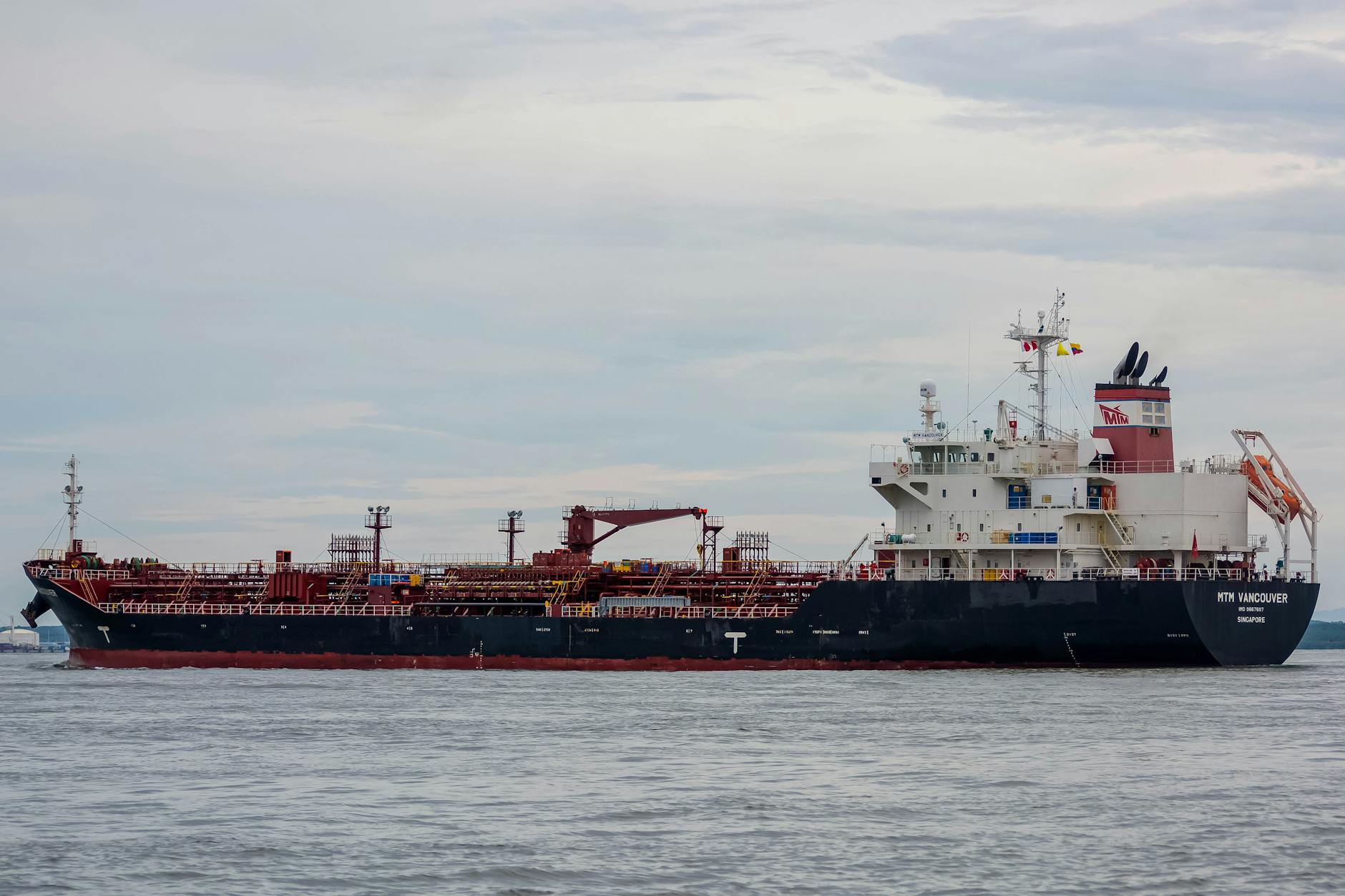
Trump’s Direct Threat to Iran and Support for Oil Shipping
President Donald Trump urged oil firms to continue operations through the Strait of Hormuz, warning Iran of overly severe repercussions if they disrupt oil flows following a recent shipping attack. His comments reflect escalating tensions in the vital maritime channel.
This statement comes shortly after U.S. forces targeted and destroyed Iranian vessels that were reportedly laying mines, in response to an attack on the Thai bulk carrier Mayuree Naree. According to reports, the Iranian Revolutionary Guard Corps has declared the strait “closed” for foreign vessels, heightening concerns over oil transportation safety in a waterway critical for global oil supply.
Rising Tensions Amid Military Presence
In a message on Truth Social, Trump emphasized that any Iranian action against oil shipments would lead to a response “TWENTY TIMES HARDER” than previous actions taken. He indicated that the U.S. is prepared to provide military escorts for tankers navigating the Strait, underscoring the administration’s commitment to ensuring oil transportation remains unhindered amidst rising geopolitical risks.
Trump also expressed confidence that the conflict with Iran would reach resolution “very soon,” despite a backdrop of surging global oil prices, where Brent crude is reported to have surpassed $100 per barrel for the first time since April. His posture aligns with earlier rhetoric suggesting significant military intervention could occur if oil flows are threatened, reviving fears of a broader U.S. military engagement in the region.
Market analysts note that the recent oil pricing surge mirrors previous geopolitical tensions, indicating potential volatility ahead. As the U.S. military ramps up its presence in the region, oil firms face difficult decisions over operational risks versus potential costs of disruption.
Implications for Oil Supply and Economic Impact
With the Strait of Hormuz accounting for approximately 20% of the world’s oil trade, any significant closure or interruption stands to severely impact global oil supply and prices. International shipping has seen hesitance among tankers amidst fears driven by the recent Iranian threats, leaving shadow fleet tankers to dominate remaining maritime traffic. Reports of spoofing and rerouting of tankers have become more common, reflecting an atmosphere of caution in the region.
While the threat of military action looms large, analysts suggest that strategic reserves may help cushion short-term supply shocks in the face of rising prices, but U.S. gas costs are already climbing due to these geopolitical tensions. Moreover, the ongoing volatility in oil markets highlights the fragile balance between military engagements and global energy stability.
As the situation evolves, observers are left to consider the broader implications for energy security as well as the ripple effects on cryptocurrency markets, as global instability historically drives investor interest toward crypto assets for hedging against traditional financial systems. Analysts within the crypto space will be monitoring not only oil prices but the potential intertwining of geopolitical events with market responses.