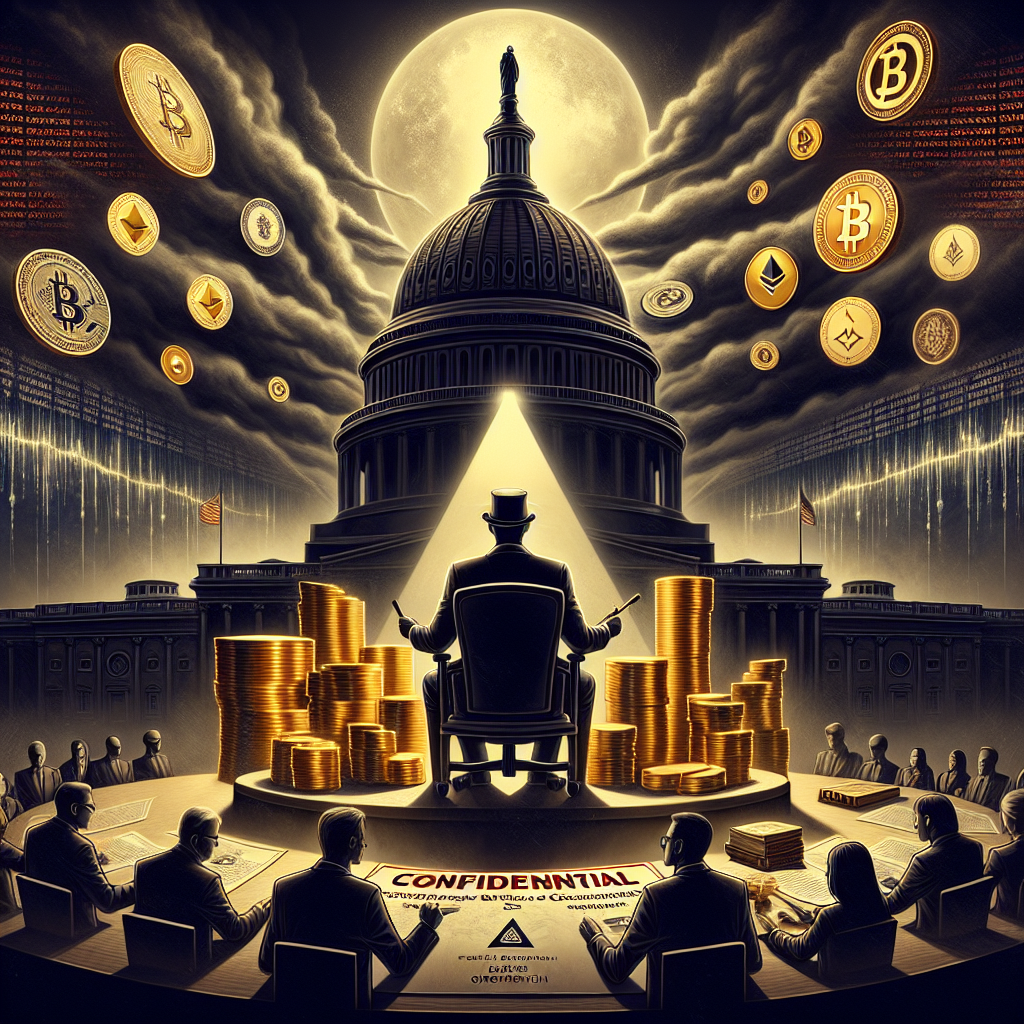
Trump’s Crypto Ties Uncovered: What the House Democrats’ Report Reveals
Is cryptocurrency the future—or just another tool for political power plays? A new report from House Democrats is raising eyebrows as it dives deep into former President Donald Trump’s connections to the crypto world. They’re calling it a “New Age of Corruption,” and it’s sparking serious conversations about money, influence, and the fast-moving world of digital currency.
But what does this really mean for you and me? Let’s break it down into plain English and look at what’s going on behind the scenes.
What’s This Report All About?
Earlier this week, the House Oversight Committee, led by Democrats, released a new report that claims former President Trump and his close allies have been using cryptocurrency to advance their own financial and political interests. They argue this is part of a broader pattern of corruption that flourished during and after Trump’s presidency.
The report pulls back the curtain on what they see as inappropriate relationships between Trump, digital asset companies, and crypto lobbying groups. In short, the document suggests that Trump and his allies have been leveraging cryptocurrency connections to fund political campaigns, enrich themselves, and influence legislation that favors their interests.
The Bigger Picture: Why Crypto?
Now, you might be wondering – why cryptocurrency? What makes it so appealing to political figures?
Think of crypto like the Wild West of finance. It’s new, exciting, and not fully regulated yet. That makes it a playground for innovation—but also for abuse. When oversight is limited, it’s easier for powerful people to move money around, set up deals behind closed doors, and benefit in ways that might not hold up in a traditional banking system.
And let’s be real: anything dealing with large sums of untraceable money is bound to raise red flags, especially in politics.
Main Takeaways from the Report
Here are some key points the report highlights:
- Crypto-linked donations: Trump’s 2024 campaign began accepting cryptocurrency donations, opening up new, less-transparent funding streams.
- Ties to crypto billionaires: The report mentions Trump’s alleged connections to high-profile figures in the digital currency industry, including individuals who support deregulating the space.
- Post-presidency profits: After leaving office, Trump launched an NFT (non-fungible token) collection, earning millions. Critics say this may have been less about art and more about cashing in on the crypto craze.
- Influence on regulation: The report warns that such financial connections could be influencing how Trump and his allies shape future crypto regulation—if they return to power.
This paints a picture of a growing intersection between political power and cryptocurrency—a combo that could impact everything from future election campaigns to how laws around digital assets are made.
The NFT Angle: Cashing In or Just Trendy?
Let’s talk for a second about those NFTs. If you’re not familiar, NFTs are unique digital items, often artwork or collectibles, traded using blockchain technology. Think of them as baseball cards, but digital and sometimes worth thousands—or even millions—of dollars.
Trump threw his hat into the NFT ring with a series of digital trading cards. Some sold for hundreds of dollars each. Supporters saw it as a fun, creative venture. Critics, on the other hand, say it was a strategic way to make money off of his political brand—and avoid traditional oversight.
Regardless of where you stand, it’s clear that NFTs (and crypto in general) are blurring the line between finance, fandom, and political fundraising.
What’s the Big Concern?
So, why are House Democrats sounding the alarm? Their main concern is simple: If powerful political figures are deep in the crypto world, who’s really shaping our financial future?
They argue that the lack of regulation in digital finance allows bad actors to manipulate the system for personal or political gain. And when those bad actors are people with real power, the risks grow even larger.
Transparency and accountability are key themes throughout the report. Lawmakers worry that crypto donations, secret dealings, and backdoor policies could threaten fair democratic processes.
How Does This Affect Everyday People?
You might be thinking, “Okay, but what does this have to do with me?” Fair question.
At its core, this issue is about trust—trust in financial systems, trust in elections, and trust in the people we vote for. If cryptocurrency becomes a tool for corruption, it fuels public cynicism and weakens the integrity of institutions.
Also, as crypto becomes more mainstream, potential scams and shady investments could impact everyday investors—especially those who jumped into the market hoping for quick riches, only to get burned.
Is This the Start of Something Bigger?
Possibly. This report may be just the beginning. As more politicians embrace crypto—and as digital assets continue to grow in importance—expect to see more investigations and regulations coming down the pipeline.
We’re at a crossroads, where government, technology, and finance are becoming more tightly connected. Reports like this one are a reminder that we need clear rules, honest leaders, and watchdogs willing to speak up when something seems fishy.
Final Thoughts
If you’ve made it this far, you now understand why this report is sending shockwaves through Washington. Whether or not Trump or his allies did anything illegal is still up for debate—but what’s clear is that the lines between crypto and politics are getting blurrier every day.
So, what can you do? Stay informed. Ask tough questions. And remember: In the digital age, following the money might mean diving into tweets, tokens, and trading cards—not just bank statements.
Political corruption isn’t new. But crypto? That’s the newest frontier—and one we all need to watch closely.
Key SEO Keywords Used:
- Trump crypto ties
- Trump corruption report
- House Democrats Trump cryptocurrency
- Trump NFT campaign
- Crypto and politics
Thanks for reading! Got thoughts on this digital drama? Share your comments below—we’d love to hear from you!