Trump’s Threats Spark Sharp Decline in Crypto Markets
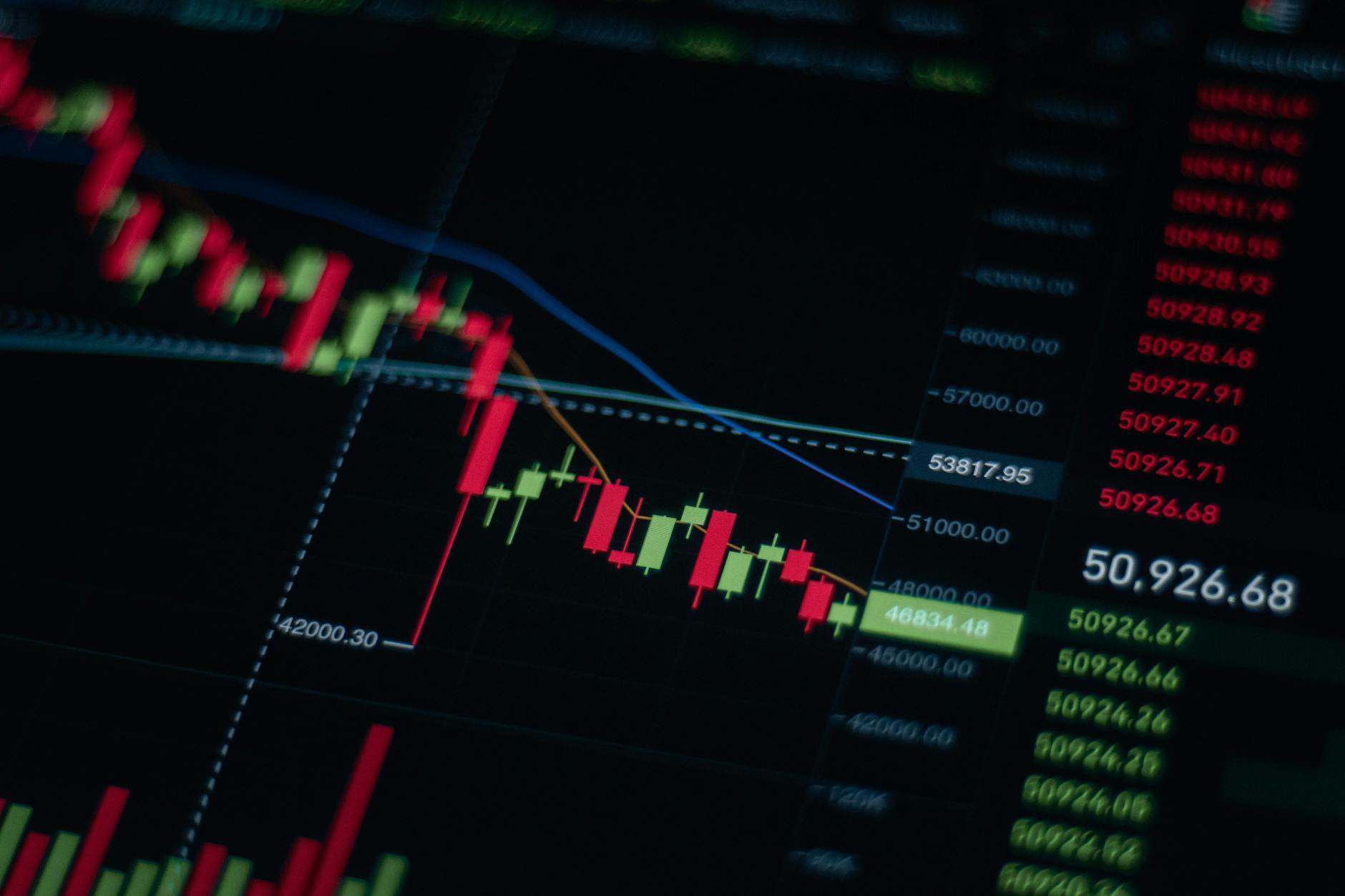
Bitcoin plunged nearly 10% on April 6, 2026, as U.S. President Donald Trump issued dire warnings about Iran, claiming a “whole civilization” could perish if an agreement was not reached before his deadline. This escalation in rhetoric rattled investors, sending ripples across the entire cryptocurrency market.
As geopolitical tensions rose over Trump’s comments—particularly about the potential for a military response to Iran’s actions—the broader crypto market reacted with significant volatility. Ethereum and numerous altcoins mirrored Bitcoin’s downturn, contributing to an overall rise in market instability. The cryptocurrency space has struggled with regulatory uncertainties and fears of sanctions against Iran, complicating an already precarious landscape.
Market Response to Geopolitical Uncertainty
Investor sentiment was measurably shaken following Trump’s assertions on social media. “We will find out tonight, one of the most important moments in the long and complex history of the World,” he declared, adding fuel to concerns about potential escalations of conflict in the Middle East. Such volatility often impacts investor decisions, particularly in assets like cryptocurrencies, which are seen as more sensitive to geopolitical risk.
The chain reaction was swift; Bitcoin’s price fell from approximately $80,000 to around $72,000, reflecting a lack of confidence in the face of looming sanctions talks. Ethereum also dropped significantly, alongside substantial declines in altcoins across the board. Market analysts consider this response indicative of the intertwined nature of geopolitical developments and crypto asset value, as investors reassess risk in uncertain climates.
According to market experts, volatility surges when traders are forced to recalibrate their expectations based on external pressures. The threat of renewed sanctions on Iran’s economic activities is particularly concerning, as such moves could lead to further disruptions in oil and other markets, leading to broader economic implications worldwide.
What Comes Next in Crypto and Geopolitics?
Looking ahead, analysts suggest that the cryptocurrency market will likely continue to reflect broader economic indicators and geopolitical developments. With many investors wary of potential sanctions negatively impacting market conditions, any aggressive moves regarding Iran could precipitate an even larger sell-off in digital assets. “The combined pressures of these sanctions coupled with regulatory uncertainties surrounding decentralized exchanges could create a perfect storm for the crypto market,” remarked a senior analyst.
The likelihood of further discussions surrounding crypto regulations remains uncertain. If geopolitical tensions ease, analysts believe the market may stabilize and investors could regain confidence. However, if the current trajectory of conflict escalates, the consequences could reverberate across the crypto landscape, resulting in increased volatility and potential long-term effects on market confidence.