Volatile Markets Mark Return of US–Iran Tensions
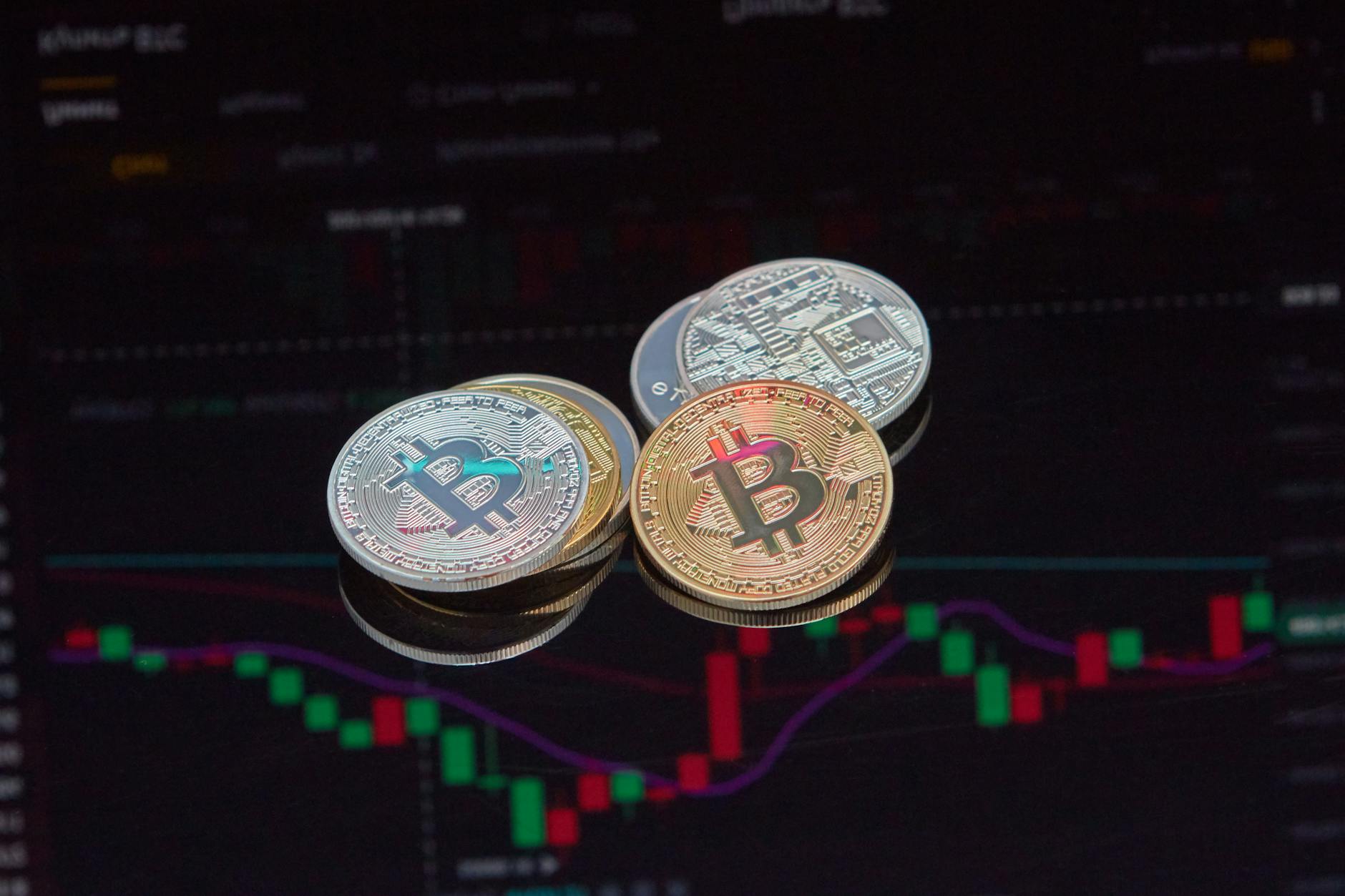
Increasing tensions between the US and Iran have prompted drastic fluctuations in both oil and cryptocurrency markets. In response to President Trump’s recent 48-hour ultimatum concerning Iran, Brent crude oil prices plummeted by 13%, while Bitcoin saw a sharp rebound, surpassing $71,000, according to reports.
The escalation of geopolitical tensions can have opposing impacts on various markets. Recent developments, including US bombings and mutual threats, have fueled instability, particularly in oil prices, where Brent crude surged from around $70 per barrel to as high as $110 before encountering a recent decline. Analysts attribute this volatility to market fears of supply disruptions in the Strait of Hormuz, critical for global oil transport.
Market Dynamics Under Pressure
Oil prices reached historic highs amid fears stemming from the ongoing US–Iran conflict, particularly as Trump threatened to target Iranian infrastructure if crucial shipping lanes remained impacted. Weekly reports indicated significant swings in crude price, with ups and downs driven largely by de-escalation hopes—including potential peace talks. Nevertheless, renewed fears about potential Iranian retaliation have resulted in increased upward pressure on futures, with Brent potentially averaging estimates between $55 and $91 per barrel, depending on conflict developments.
Although gold saw initial gains due to the uncertain economic climate, gains quickly faded as investors started shedding assets in response to broader recession fears. Meanwhile, US gas prices neared $4 per gallon, adding further strain to consumers reliant on fossil fuels. Stock markets also reflected this turmoil, with major indicators dipping as investors grapple with the implications of heightened geopolitical instability.
Crypto’s Response to Traditional Market Volatility
Against this backdrop, Bitcoin’s remarkable recovery price points to a shifting investor sentiment during geopolitical turmoil. Market analysts note this behavior showcases cryptocurrencies’ evolving role as a potential safe haven asset during periods of instability. Investing through quantitative strategies, such as algorithmic trading or quantitative funds, is gaining traction as investors seek to leverage the intricacies of the crypto market for profit during fluctuating conditions.
This upward trajectory of Bitcoin appears to contrast with traditional assets that faltered under geopolitical pressure. As these strategies emerge, they provide traders with a more agile approach to hedge against the rapid market fluctuations and maintain liquidity during uncertain times.
Despite the positive performance of Bitcoin, overall market sentiment remains fragile as imminent deadlines loom over the US–Iran situation. Any new escalations or de-escalations could drastically influence price movements in both oil and cryptocurrency sectors.
Looking Ahead Amid Political Uncertainty
In the aftermath of potential escalations in US–Iran relations, analysts predict Bitcoin may continue to capture greater market share among institutional investors. Diverse investment strategies, including taking advantage of quantitative trading approaches, may buoy Bitcoin prices in the face of traditional commodity volatility.
With market participants keenly monitoring geopolitical developments, the interest in Bitcoin and its role as a non-correlated asset continues to grow. Experts are watching closely as further political maneuvers unfold, hinting that cryptocurrency markets may see increased investment interest as conditions evolve.