Escalating Tensions Heighten Disruption Risks in the Strait of Hormuz
U.S. military strikes on Iranian targets have intensified pressure on global oil prices, pushing them to a near seven-month peak as fears of disrupted shipping in the strategically vital Strait of Hormuz escalate. Tensions have culminated in military actions directly impacting commercial shipping in the region, threatening the stability of oil supply chains.
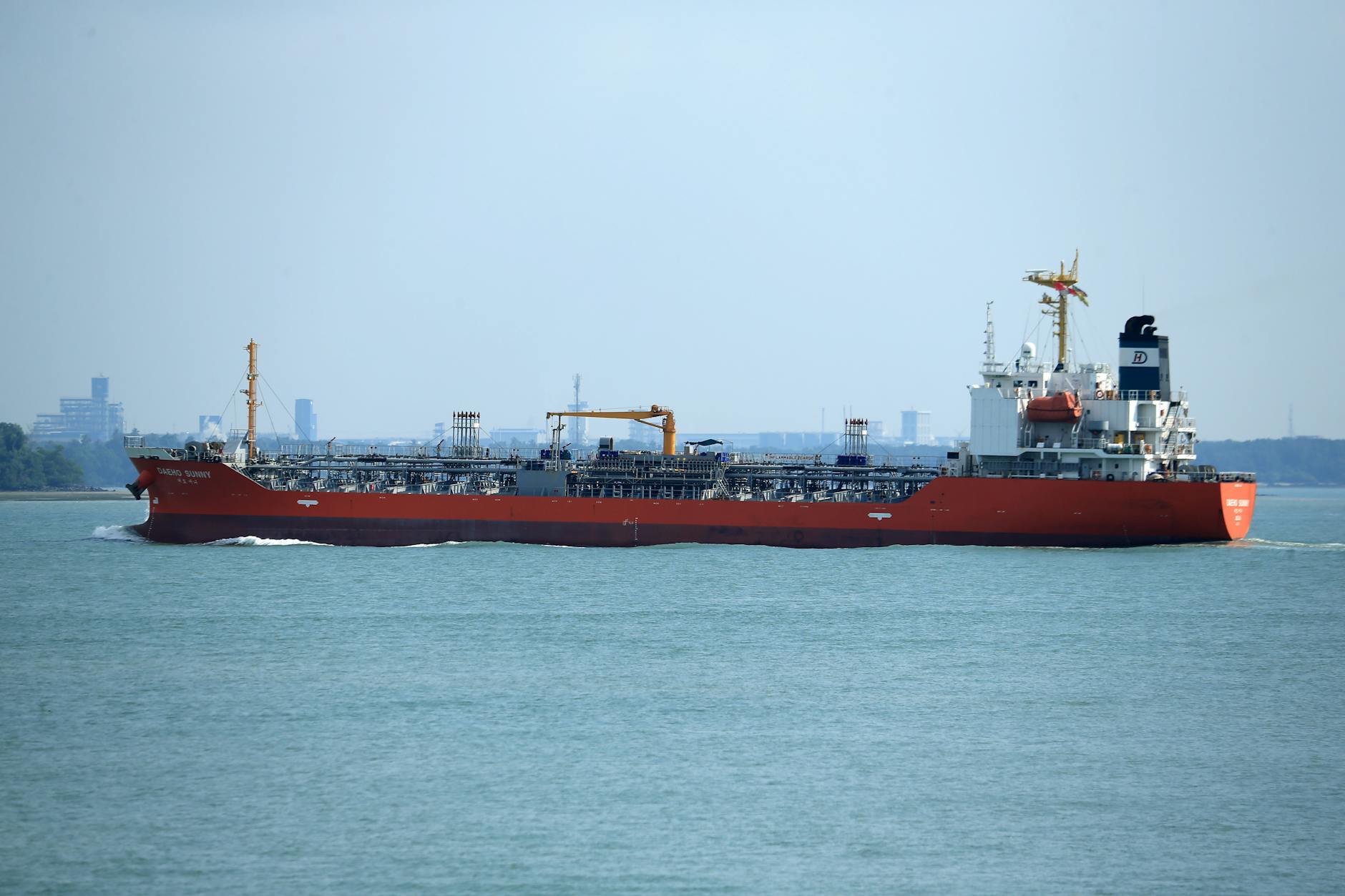
The recent uptick in violence follows the targeting of multiple oil tankers, most notably the Palau-flagged Skylight, which was attacked near Khasab port in Oman, injuring at least four individuals on board. In response, Iranian forces have elevated their threats against vessels piloting through this crucial maritime corridor. While Tehran has yet to formally close the strait, the Iranian Islamic Revolutionary Guard Corps (IRGC) has issued radio warnings to ships, warning them against entering the area. The UK Maritime Trade Operations (UKMTO) characterized the maritime environment as “highly volatile,” with an increased probability of military miscalculations and electronic interference.
Threatened Oil Supply Chains
Global oil supply faces unprecedented risks with around 20% of the world’s daily oil passing through the Strait of Hormuz. More than 80% of this crude is destined for Asian markets, highlighting the critical role the strait plays in the global energy landscape. Also noteworthy is the fact that approximately one-fifth of the world’s liquefied natural gas (LNG) trade transits through these waters, predominantly sourced from Qatar.
Although Gulf nations such as Saudi Arabia and the United Arab Emirates have established alternative bypass infrastructures, these routes only accommodate a limited capacity of 2.6 million barrels per day—far less than what is needed to sustain a market already fraying under geopolitical tensions. The U.S. Energy Information Administration cautioned against the dire consequences should the Strait be fully closed, emphasizing that “large volumes of oil flow through the strait, and very few alternative options exist to move oil out of the strait if it is closed.”
Market Reactions and Future Outlook
In reaction to the heightened conflict, major international shipping lines have temporarily halted transits through the Strait, as evidenced by a noticeable reduction in vessel movements tracked since the recent military escalation. The U.S. Department of Transportation has issued maritime alerts advising ships to maintain a distance of at least 30 nautical miles from U.S. military vessels, indicating a proactive stance in mitigating risks amid ongoing tension.
Analysts foresee significant fluctuations in oil prices should the hostilities continue, predicting potential increases that could reverberate across not only the energy markets but also trigger broader economic implications tied to inflation and monetary policy decisions from central banks worldwide. As traders brace for volatility, the situation elevates concerns regarding future oil availability and pricing stability in a market already sensitive to geopolitical disruptions.
Amidst this turmoil, industry observers will closely monitor how conflicts in the Middle East evolve, particularly the Iranian response to U.S. actions and its subsequent impact on crude supply routes. The global dependence on this strategic shipping lane means that any further escalation could not only impact oil markets significantly but also shape broader economic sentiments in 2026 and beyond.