
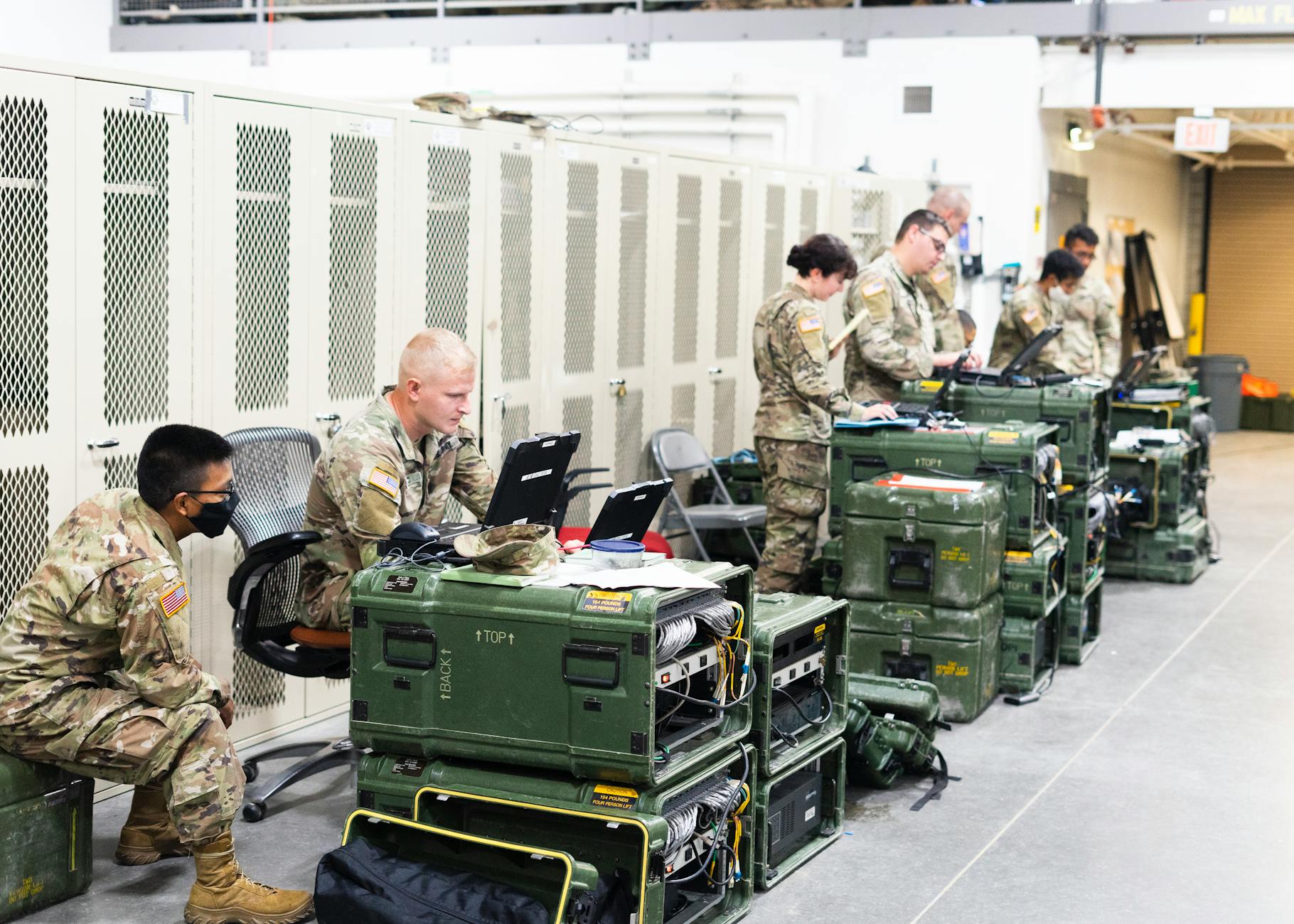
The US Military Tests Blockchain Security
The U.S. Department of Defense has launched a Bitcoin node to explore the cryptocurrency’s potential for securing information networks, as confirmed by Admiral Samuel Paparo, commander of the U.S. Pacific Fleet. Crucially, Admiral Paparo clarified that the military is not engaging in Bitcoin mining.
This initiative signifies a noteworthy shift in military strategy, reflecting growing interest in blockchain technology for national security applications. The decision to run a Bitcoin node aligns with the Department of Defense’s efforts to leverage advancements in technological infrastructure amid increasing security concerns in cyberspace and data transmission processes.
Military’s Strategic Evolution
Admiral Paparo’s announcement highlights the U.S. military’s caution and strategic foresight as it tests the capabilities of Bitcoin, a notoriously volatile cryptocurrency often criticized for its regulations and financial risks. By avoiding mining, the military focuses on enhancing network security rather than speculating in evolving financial markets.
The advent of blockchain technology presents myriad advantages for cybersecurity, including enhanced data integrity and transparency. The Department of Defense’s move may be aimed at fostering a secure framework for communication and operational integrity in potentially hostile digital environments.
Meanwhile, the army’s focus on securing its networks with blockchain technology reflects a growing trend among various sectors pursuing the benefits of decentralized networks. As Admiral Paparo stated, the initiative is part of a broader strategy to ensure that military systems can withstand evolving threats from adversaries capable of exploiting information vulnerabilities.
Future Implications for Military and Blockchain Technology
Looking down the line, industry analysts posit that this trial may lead to broader adoption of blockchain applications within government operations. If successful, the military’s experimentation with Bitcoin could prompt further investment in decentralized technologies across various government branches and affiliated departments.
This move marks a key moment in U.S. military preparedness and could ignite discussions about policy standards for integrating blockchain into national security frameworks. Should this effort prove successful, it may inspire similar initiatives within allied nations, escalating the competitive race for effective cybersecurity solutions.








