
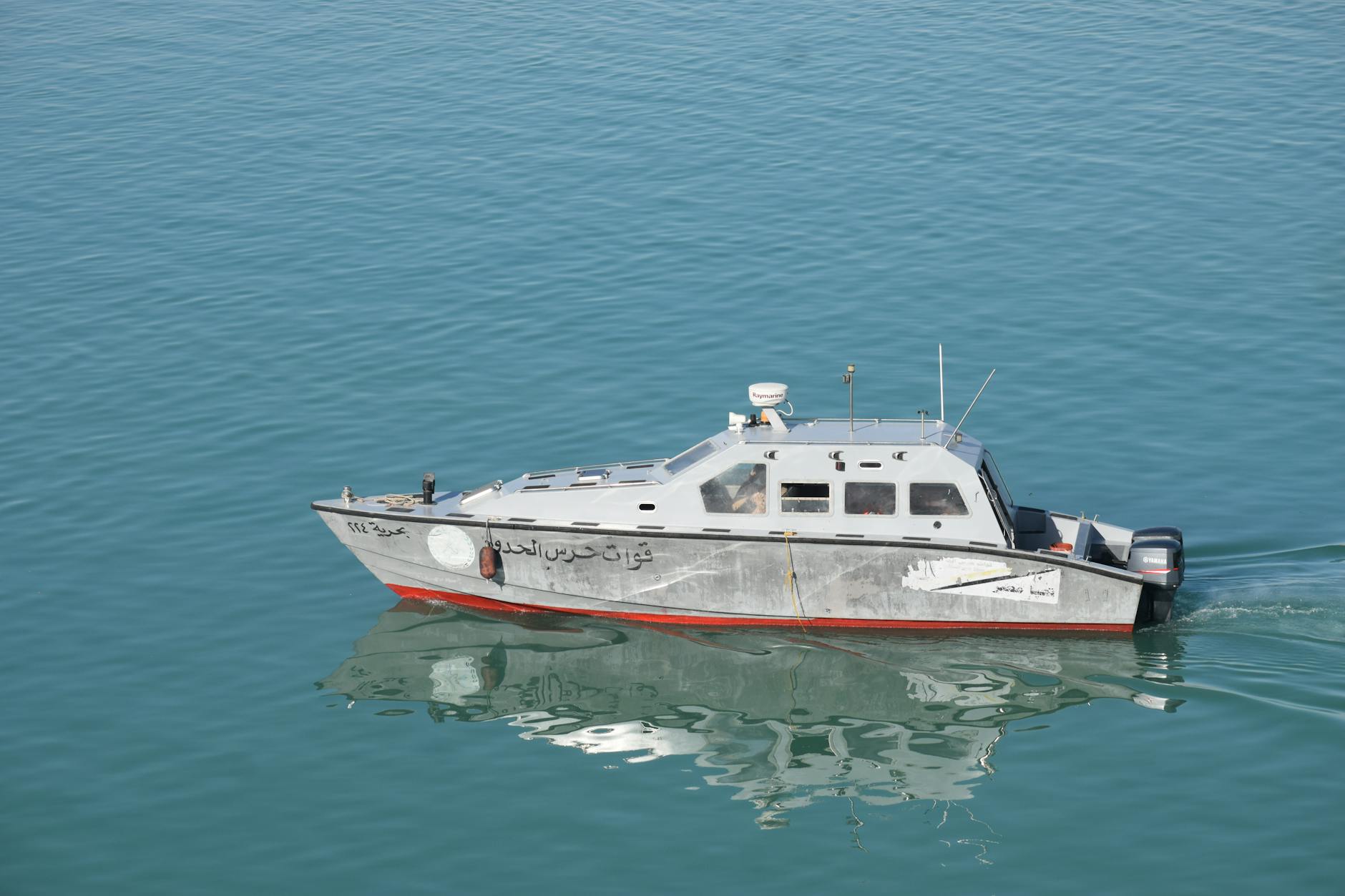
The Strait of Hormuz Under U.S. Control
President Donald Trump declared on April 23, 2026, that the United States maintains total control over the Strait of Hormuz, asserting that no ship may navigate through the critical waterway without approval from the U.S. Navy. This announcement comes shortly after a renewed Iran-U.S. ceasefire agreement, creating potential upheaval in global shipping routes and raising concerns over regional stability.
The Strait of Hormuz, a vital passage for about a fifth of the world’s oil trade, has long been a flashpoint for tension between the United States and Iran. Trump’s claim comes in the wake of recent Iranian aggressions, including the seizure of two foreign vessels and threats to impose tolls for passing through, actions that Iran contends were essential to asserting its influence in the region. The blockade, a direct response to these provocations, indicates Washington’s intent to further restrict Iranian maritime activity, as stated by U.S. officials.
Rising Tensions in International Waters
Trump’s bold statement followed orders to the U.S. Navy to take aggressive action against Iranian vessels laying mines in the Strait. This directive underscores a significant shift in military engagement in the area; Trump stated, “it’s sealed up tight until such time as Iran is able to make a deal,” suggesting a willingness to engage actively in potential military confrontations should Iranian provocations continue. The U.S. Navy has reportedly turned back at least 27 vessels attempting to enter or leave Iranian ports since the onset of the blockade, a strategic move designed to pressure Tehran to negotiate, according to reports.
As tensions escalate, the implications for global oil prices and maritime security are under scrutiny. Experts warn that this blockade could siphon off direct shipping routes, leading to heightened shipping costs and delays for oil transport from the Arabian Gulf. Analysts have cited the potential for significant price fluctuations in international oil markets as companies navigate the risks and time delays associated with new routing.
Future Outlook Amid High Stakes
Looking forward, analysts predict that the standoff may lead to continued insecurity in the region, particularly as either side may misinterpret actions as hostile. The Iranian government has already expressed its intent to maintain control over the Strait, while Trump’s administration appears set on leveraging military presence to assert dominance. This is primed to escalate into a multifaceted diplomatic conflict, affecting not only U.S.-Iran relations but also global oil trade dynamics.
The ramifications of this blockade extend beyond Iran and the Gulf regions, potentially affecting worldwide economic stability as nations dependent on oil imports assess their logistics and supply chain strategies. The continuity of military threats and shipping route alterations may push many countries to explore alternative energy sources or rethink their energy consumption strategies, which could have a long-standing impact on global oil dependency.








