
US Producer Price Index Data Exceeds Expectations
The U.S. Producer Price Index (PPI) for January 2026 rose by 0.5% month-over-month, aligning closely with several market forecasts but below the more aggressive estimates, as rising service costs drove the increase. The report, disseminated on February 27, arrives as analysts reevaluate their projections of Federal Reserve interest rate hikes amid shifting inflation indicators.
The PPI is a critical economic indicator that gauges the average changes in prices producers receive for their goods and services. For January, service prices saw an uptick of 0.8%, which partly offset a 0.3% decrease in goods prices, particularly influenced by significant drops in energy and food services—decreasing by 2.7% and 1.5%, respectively. As inflation indicators fluctuated, year-over-year figures showed a decline from 3.0% to 2.9%, slightly exceeding the market’s consensus forecast of 2.6%.
Market Reactions and Bitcoin’s Sudden Drop
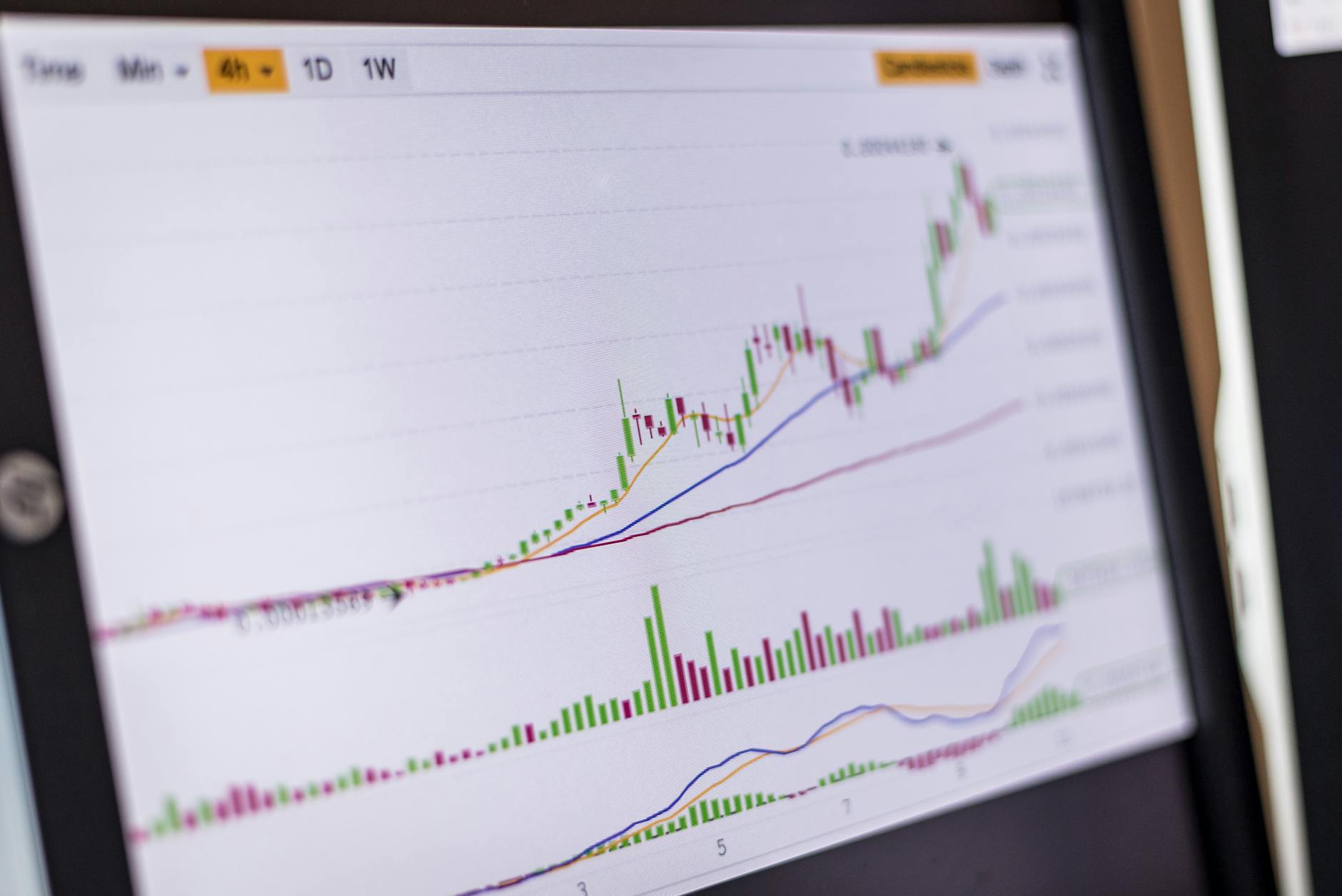
Initially, the market had anticipated a conservative rise in inflation, projecting a 0.3% increase for February data. However, the unexpected PPI surge implies a persistent hawkish stance from the Federal Reserve, compelling traders to reconsider their outlook on future rate hikes. In the wake of this inflation statistic, Bitcoin experienced a sharp drop; reports indicate prices fell as low as $72,000, impacting across the broader crypto market.
This sudden decline underscores the volatility characteristic of cryptocurrencies amidst macroeconomic shifts. Traders and investors often seek safer assets during periods of economic uncertainty, and the hawkish signals from the Fed—coupled with rising inflation—prompted a pullback from more speculative investments like Bitcoin.
Currently, as traders navigate increased market volatility, Bitcoin’s correlation with traditional financial markets has become more apparent. Many crypto analysts suggest that heightened Fed policy uncertainty might continue to trigger fluctuations in Bitcoin’s pricing over the coming weeks as traders adjust their expectations regarding the central bank’s monetary policy direction.
What Lies Ahead for Bitcoin and Inflation Trends
Looking forward, investors and analysts are keenly watching the upcoming PPI data for February, set to be released in mid-March. This report could further shape investor sentiment and trading strategies, especially if inflation trends signal sustained or accelerated price increases. If the upcoming data reinforces a hawkish Fed approach, further declines in Bitcoin and other risk assets could emerge as traders pivot toward safer investments.
Overall, the pressure on Bitcoin not only reflects immediate market reactions but also highlights a broader trend where macroeconomic indicators significantly influence the crypto landscape. As inflationary pressures continue, strategies employed by investors will be crucial in navigating the path forward in the evolving economic environment.








