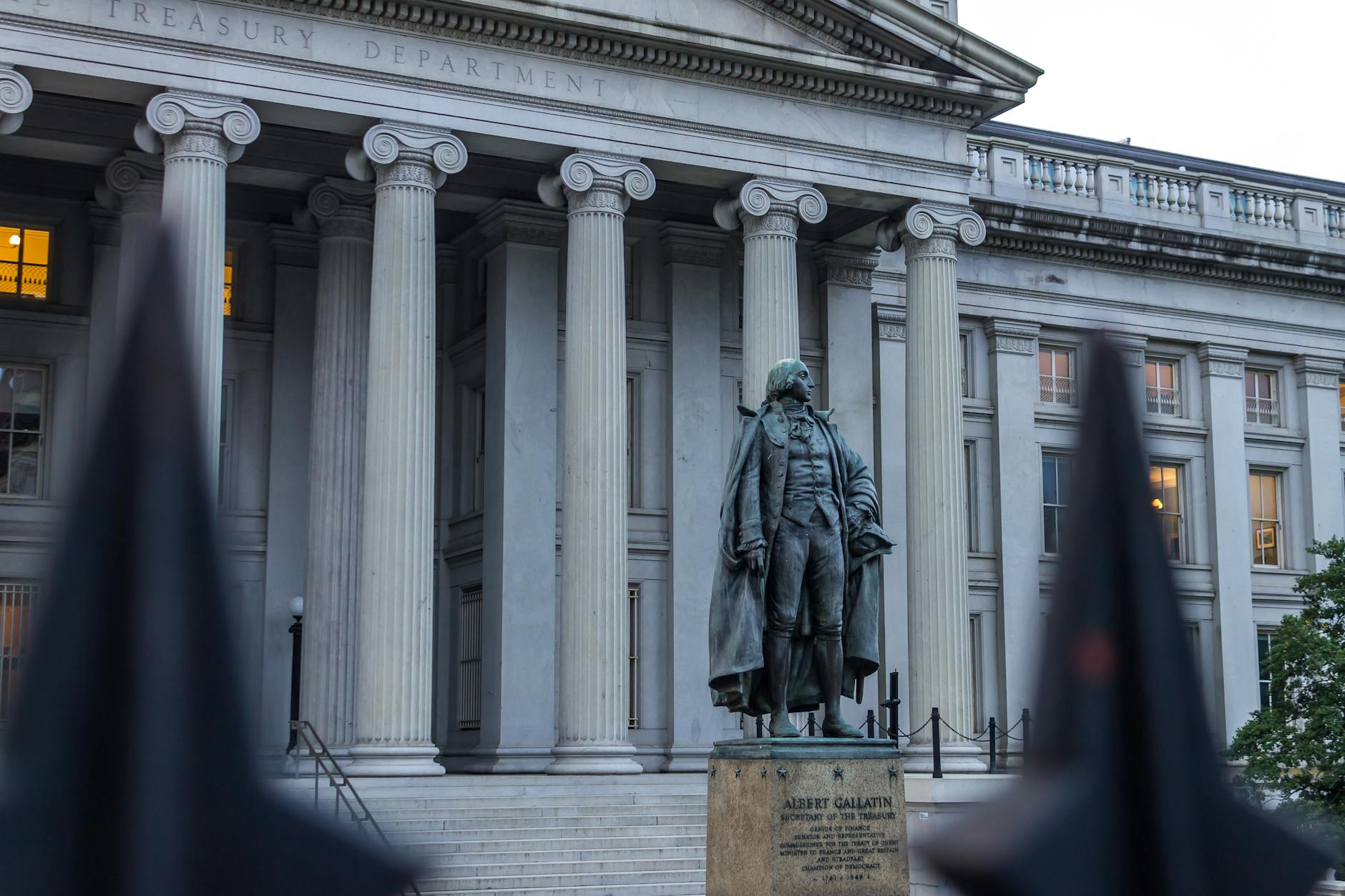
U.S. Treasury Sanctions Crypto Launderers Linked to North Korea
The U.S. Treasury Department imposed sanctions on six individuals and two companies for laundering approximately $800 million in cryptocurrency to support North Korea’s nuclear weapons program, as part of an ongoing effort to curb illicit financial activities.
On March 13, 2026, the Treasury’s Office of Foreign Assets Control (OFAC) designated the sanctioned entities for violations of anti-money laundering (AML) and counterterrorism laws, marking a crucial move in the United States’ broader initiative to combat financial networks supporting North Korea’s nuclear ambitions.
Details of the Sanctions
The designated individuals and firms utilized the global cryptocurrency exchange ecosystem to transfer cryptocurrency assets to the Democratic People’s Republic of Korea (DPRK). The sanctions seek to dismantle a financial network that has enabled North Korea to acquire resources needed for its nuclear and ballistic missile development programs, which have been subjects of international condemnation and numerous sanctions over the years.
The sanctions serve as a clear message that the U.S. will continue to employ its financial and legal tools to counter the dangers posed by certain North Korean entities. The Treasury stated that by targeting these networks, it aims to disrupt illicit financing that supports the regime’s aggressive posturing and actions.
These actions reflect a growing recognition of the risks posed by cryptocurrency as a conduit for illegal financial transactions. Industry experts have increasingly raised concerns about the use of digital currencies in laundering funds, echoing the views of regulators and law enforcement agencies.
Market Response and Global Implications
The reaction to the sanctions in the cryptocurrency markets has been cautious, with traders closely monitoring the situation. Analysts are wary of how such measures may impact the broader digital asset ecosystem, particularly amid increasing regulatory pressures globally. Institutions that deal in cryptocurrencies may face heightened scrutiny as regulators tighten their grip on the industry.
Industry observers note that while these measures aim to curtail illicit financing, they also underscore the complexities that digital currencies present to regulators worldwide, especially given the decentralized nature of many cryptocurrencies. As such, firms operating in the crypto space may need to enhance compliance measures to mitigate risks of inadvertently facilitating illegal activities.
The Broader Context of North Korean Cyber Activities
This move comes amidst escalating concerns regarding North Korea’s capacity to exploit digital assets in financing its military programs, especially in light of investigations detailing the regime’s extensive cyber operations. North Korea has reportedly stolen over $2 billion in cryptocurrencies and other digital assets through hacks and other cybercrimes, with a notable $1.5 billion reportedly stolen from a hacking incident at Bybit, demonstrating the regime’s systematic approach to amassing wealth through illicit means.
As vigilance against these threats increases, the U.S. sanctions represent part of a crucial ongoing dialogue regarding the responsibilities of cryptocurrency exchanges and users in maintaining the integrity of their platforms. With growing international scrutiny on North Korea, the stakes are high for all involved in the cryptocurrency space, as awareness of potential political consequences associated with non-compliance heightens.