
U.S. Soldier Arrested for Alleged Insider Betting on Maduro Operation
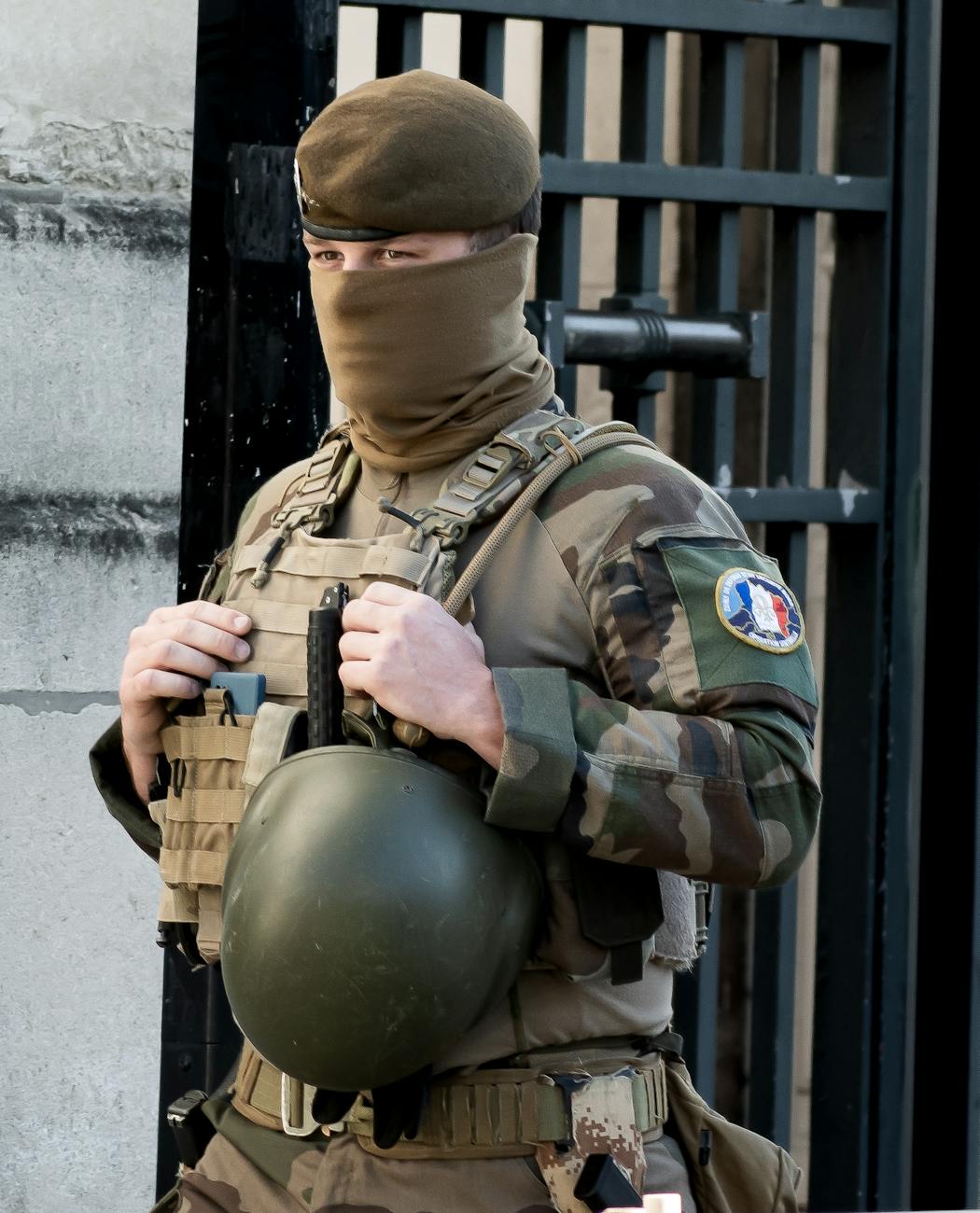
A U.S. special forces soldier was arrested for allegedly placing bets on a covert operation that resulted in the capture of Venezuelan President Nicolás Maduro, netting him a sum of $400,000. The bets placed on the innovative digital marketplace Polymarket raised serious questions about the legality of conflict-related gambling and the soldier’s conduct during his military service according to reports.
This arrest follows a series of events leading up to a covert military operation aimed at capturing Maduro, who was taken from his Caracas palace amidst heavy gunfire. The soldier reportedly used around $32,000 in bets predicting that Maduro would be “out” by January 2026, anticipating the military operation’s success. Shortly after placing the bets, the operation commenced, highlighting potential breaches of military regulations and insider trading concerns related to prediction markets.
Predictions and Profits Amid Political Turmoil
The soldier’s profits from Polymarket stand in stark contrast to traditional military protocol, which prohibits gambling on operations that fall under military jurisdiction. The implications of this case extend beyond the singular incident; this arrest may serve as a precedent in terms of legalities surrounding betting on military operations and insider information access. Federal prosecutors have already begun investigating the relationship between Polymarket and military insiders, scrutinizing the activities surrounding the bet placements.
As digital marketplaces gain popularity, regulators are increasingly concerned about how prediction markets intersect with national security matters. The recent case has already attracted significant attention from federal prosecutors, who are ramping up investigations into similar allegations relating to betting activities on various operational outcomes.
This incident isn’t isolated; similar revelations have occurred previously, with notable mentions of individuals profiting from supposedly insider information regarding military actions. Investigators have noted a rise in suspicious betting patterns that coincide with military operations, raising red flags over the practice’s integrity and legality.
What’s Next for Regulation and Oversight?
In response to the growing concerns regarding insider trading in prediction markets, New York and California have enacted measures to curb such practices. New York State’s recent executive order specifically targets government employees, making it illegal for them to use insider knowledge to profit from prediction markets. This legislative push reflects a broader sentiment within regulatory circles advocating for stringent oversight in the burgeoning prediction market space.
With the tightening of regulations, military officials and service members will likely face increased scrutiny regarding their involvement in prediction markets. Analysts speculate that, given the rapid evolution of digital betting platforms, more comprehensive measures will be introduced across federal and state levels to prevent conflicts of interest and maintain military integrity. This incident could potentially prompt a wider conversation about the ethical boundaries of military engagement in the ever-expanding realm of digital gambling.








