
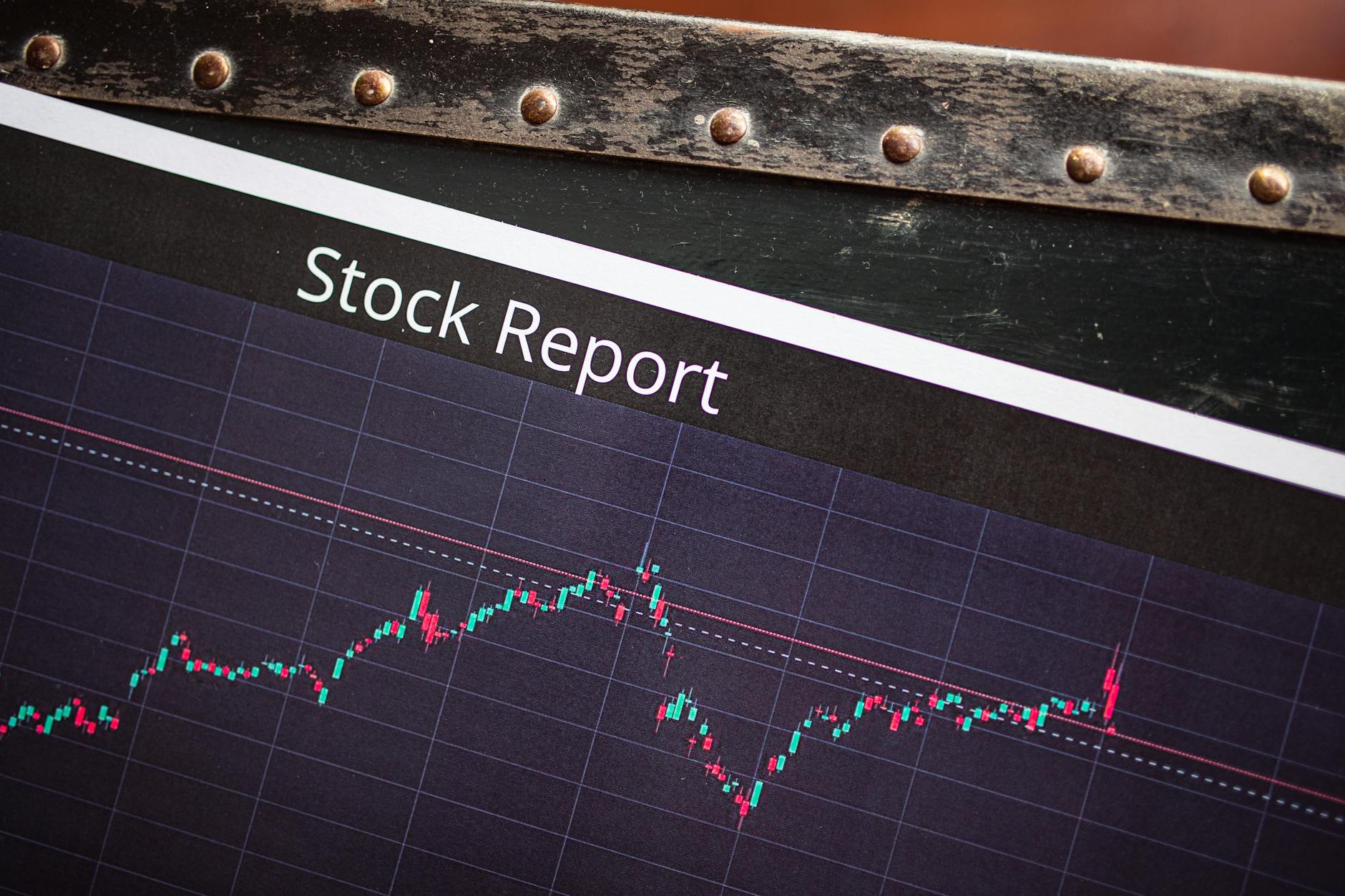
VIX Soars Amid Middle-Eastern Tensions
The CBOE Volatility Index (VIX) surged to a striking 31.05 on Friday, a notable increase of 13.16% that marks the highest level since late 2025. This spike reflects rising market anxiety over potential supply disruptions in the Strait of Hormuz combined with a sharp surge in oil prices.
Air strikes initiated by the U.S. and Israel against Iran on February 28 escalated tensions in the region, contributing to persistent fears about prolonged instability and its economic fallout. Analysts cite that even if the Strait recovers quickly, supply chains will take time to stabilize due to potential damage incurred during the conflict. “Even if the strait were to effectively open tomorrow, you can’t turn the faucet back on,” said Angie Gildea, global head of oil and gas at KPMG, underscoring the lasting implications of the conflict on oil supply and prices, which are now being perceived as an ongoing crisis rather than just a temporary shock.
Oil Market Under Pressure
In the commodities market, crude oil prices surged to multi-year highs, exacerbated by mounting concerns over the region’s volatility. The rise includes a shift by Saudi Arabia to reroute crude exports circumventing the Strait of Hormuz, where Iranian attacks have raised fears of ongoing disruptions. Reports indicate that exports have reached record levels via the Red Sea port of Yanbu, although challenges like port congestion loom. The flow of oil is at risk of further disruptions given the reported threats from Houthi forces. As such, oil futures are trading with significant risk premiums to account for the uncertainty associated with the conflict.
Gold and silver also saw substantial gains. Gold hovered around $4,491 per ounce, while silver spiked to $69.82 per ounce, buoyed by the heightened geopolitical tensions observable throughout the Middle East.
Market Reactions and Implications
Market experts anticipate that the volatility in oil prices and geopolitical developments will maintain elevated levels of uncertainty across various financial sectors. Analysts expect the impact of the situation in Hormuz to resonate more widely, potentially stalling recovery in both stock markets and investor confidence, as seen in the recent dip of major indices like the S&P 500, which recorded its fifth consecutive week of losses.
The ongoing conflict’s implications may trigger a shift in energy policies and investment strategies, especially amid fears about public sentiment surrounding higher oil prices and their effect on consumer behavior. According to industry analysts, rising energy costs could ultimately result in economic repercussions felt across multiple sectors as higher transportation and production costs merge into broader consumer pricing.








