
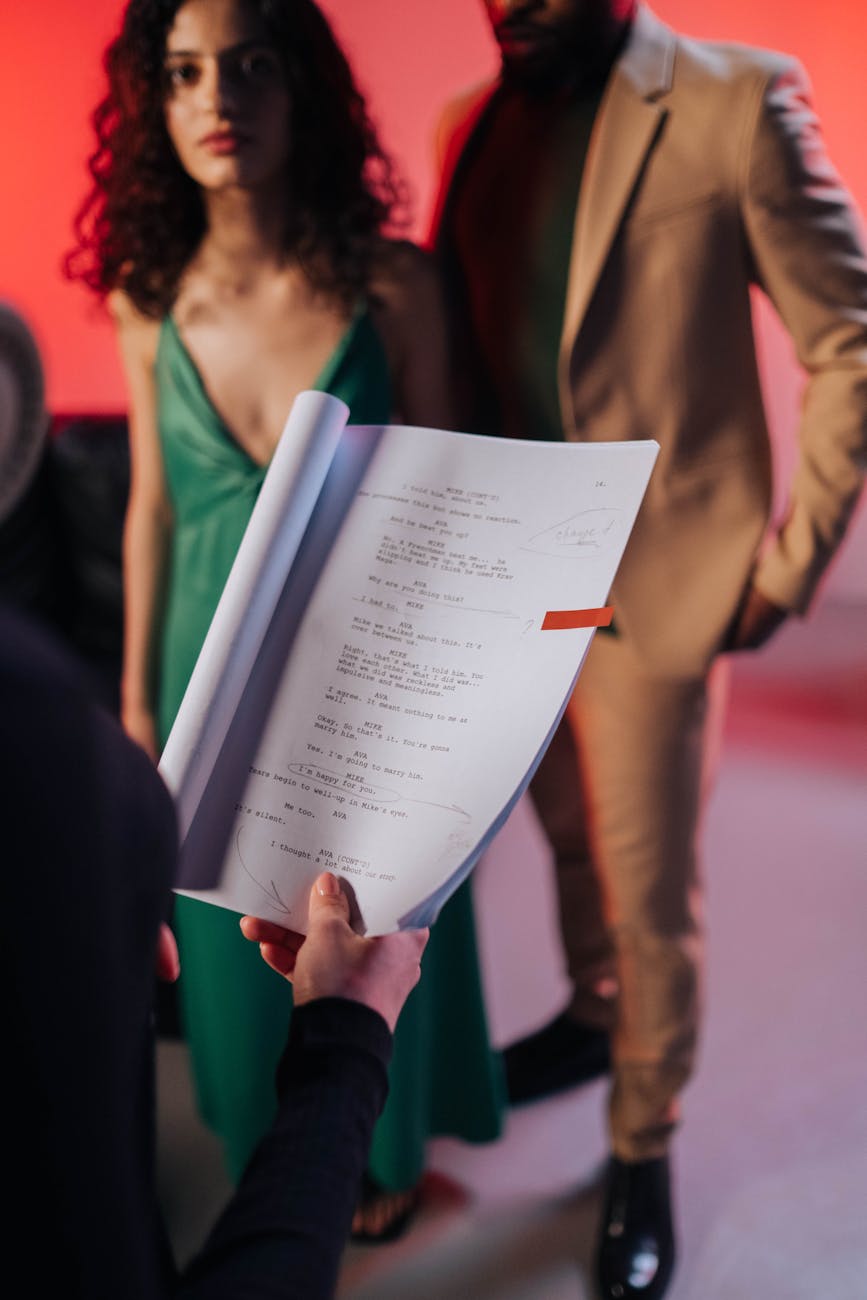
Oscars Revise Guidelines to Prohibit AI Contributions
The Academy of Motion Picture Arts and Sciences has decided to ban AI-generated performances and screenplays from eligibility for its prestigious awards, a significant move reported on May 1. This unprecedented decision aims to emphasize the importance of human creativity in film and screenwriting as the industry grapples with increasing technology integration.
The Academy’s rule updates come at a critical time, particularly as the film and entertainment sectors have witnessed a surge in the use of artificial intelligence technologies. The changes mandate that nominations for acting and writing awards must be attributed to “demonstrably performed by humans” and “human-authored” works only. The guideline is meant to preserve the authenticity that human creators bring to their artistry, guaranteeing that the essence of storytelling remains inherently human.
Industry Reaction to the Decision
Responses from the entertainment industry have been mixed, with some applauding the Academy’s focus on human creativity and others expressing concerns about a lack of flexibility. The Academy stated that any film incorporating AI tools in a supportive role will not have those tools either qualify or disqualify it for award consideration. Critics highlight that this move may stifle innovation within the film industry and inhibit future creative possibilities.
Experts argue that while AI-generated content poses interesting challenges, the argument against it hinges on the value of human experience and emotion in storytelling. Film scholar Andrew Thompson stated, “AI can mimic styles, but it lacks the nuanced understanding of the human condition that resonates in great storytelling.” Conversely, some creators, including directors and screenwriters, have expressed relief at the decision, suggesting that it undoubtedly preserves the integrity of artistic contributions in filmmaking.
As AI adoption increases across varied sectors, the debate surrounding its role in creative fields intensifies. The ruling by the Academy positions Hollywood at a crossroads as it navigates the balance between embracing technological advancements and honoring the traditional methods of filmmaking.
The Road Ahead for the Academy
The revised policies will be implemented at the upcoming 99th Academy Awards, scheduled to take place on March 14, 2027. Alongside the prohibition of AI-generated contributions, the Academy introduced another notable change permitting actors to receive multiple nominations within the same category — a move that reflects evolving industry norms. This adjustment allows an actor to earn recognition for various performances in a single year, aligning the acting awards criteria with other Oscar categories.
As Hollywood adjusts to these new rules, many filmmakers will likely reassess their creative processes. Adaptation to these guidelines could lead to innovative storytelling that utilizes technology without sacrificing the emotional and narrative depth that has historically defined great cinema.
With this decisive change, the Academy aims to uphold artistic authenticity and human expression at a time when the landscape of film is rapidly evolving. The implications of this decision could dictate how future generations of filmmakers approach their craft, potentially changing the narrative of how films are made.








