Key Takeaways
- AI’s integration in research processes raises complex issues regarding authorship.
- The scientific community is witnessing a significant uptick in productivity fueled by AI tools.
- Ethical considerations and regulatory frameworks need to evolve alongside AI advancements in research.
What Happened
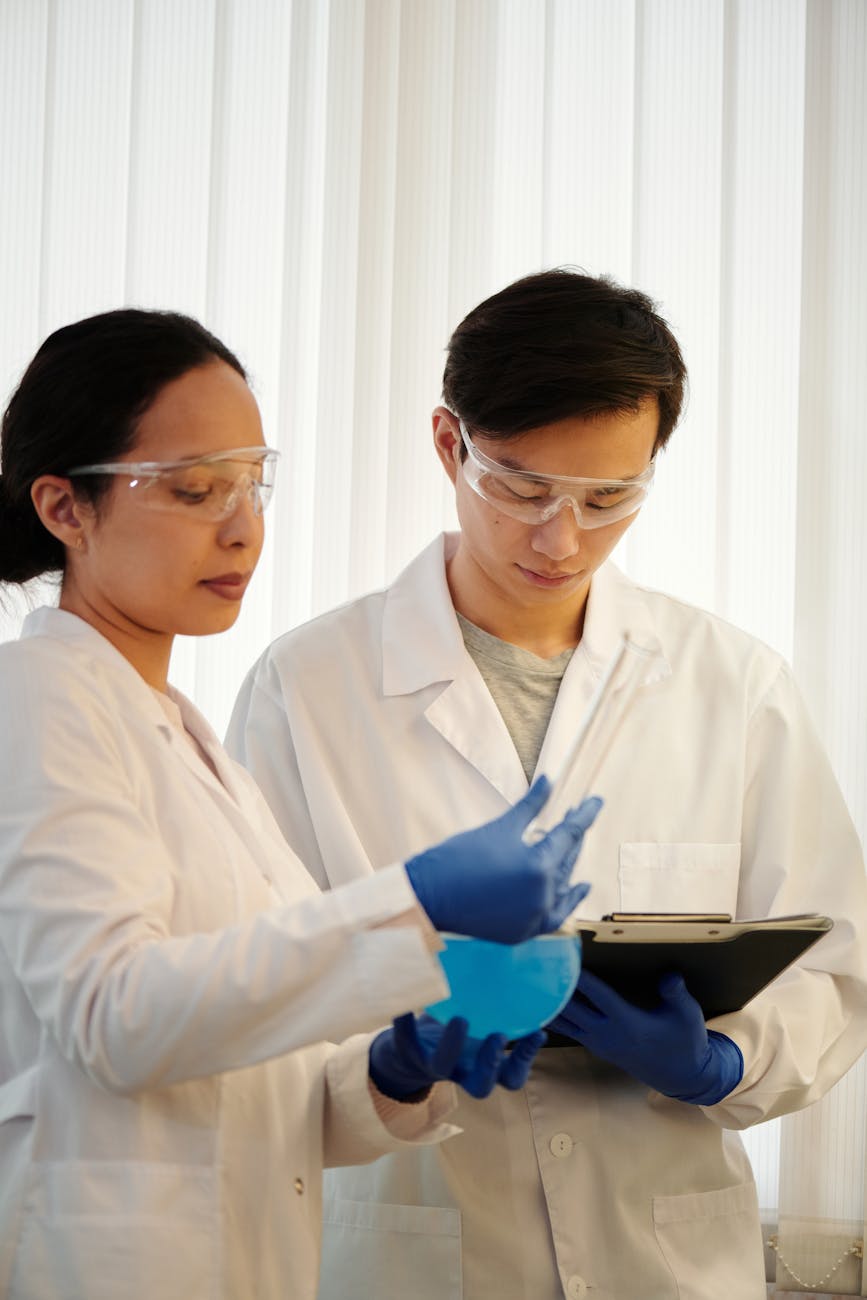
Recent discussions at a closed-door meeting among elite scientists at Princeton revealed a significant shift in the way research is conducted, with reports indicating that AI tools could be handling a considerable portion of the intellectual workload typically borne by researchers. This revelation, reported by CoinDesk, is prompting a reevaluation of how scientific discoveries are credited and recognized in academic institutions.
Why It Matters
This trend raises critical questions about authorship and the role of human researchers in scientific inquiry. With AI tools becoming increasingly integral to data analysis, theory development, and even writing research papers, many are now debating the implications for credit allocation. Some institutions are beginning to consider formalizing guidelines that would recognize AI as a co-author, which could revolutionize academic standards and practices, as previously discussed in relation to the impact of cryptocurrency and technology on traditional frameworks here.
What’s Next / Market Impact
The implications extend beyond academic norms into ethical and regulatory realms. Experts at institutions like UC Berkeley and Stanford anticipate that by 2026, advancements in AI could lead to enhanced capabilities in scientific research, propelling productivity significantly. However, this uptick raises concerns about job displacement and the erosion of trust in the integrity of research outputs, such as those highlighted in a Nature study that observed AI users publishing three times more papers and receiving five times more citations than their non-AI-using counterparts. The challenge will be to ensure that ethical considerations keep pace with innovations to benefit the scientific community broadly.