Key Takeaways
- Binance is converting its $1 billion SAFU fund into Bitcoin to bolster its assets.
- The move aims to designate Bitcoin as the main long-term store of value, mitigating stablecoin risks.
- Market analysts are closely watching this shift for potential impacts on Bitcoin’s value and market dynamics.
What Happened
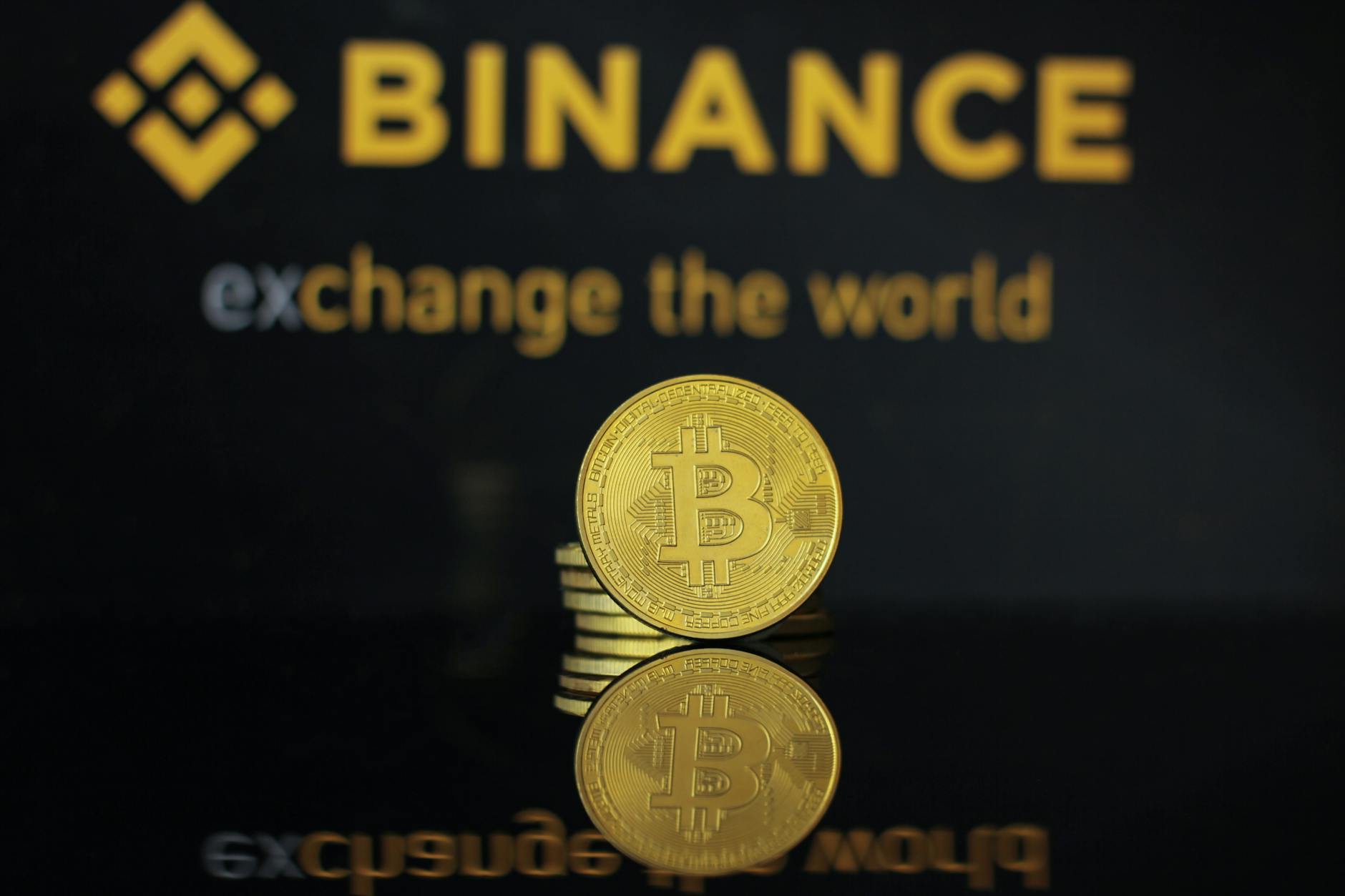
In a bold strategy shift, Binance, one of the leading cryptocurrency exchanges, announced its plan to convert its $1 billion Secure Asset Fund for Users (SAFU) into Bitcoin (BTC). This transition will occur over the next month, shifting away from stablecoins to embrace Bitcoin as the central asset in its reserves. The exchange aims to complete this conversion by the end of February 2026. Initially, Binance’s SAFU fund had been primarily composed of fiat currencies and stablecoins to ensure liquidity and bolster user trust. According to CoinDesk, the fund will ultimately reflect current market conditions, with a target of holding 15,000 BTC.
Why It Matters
This conversion reflects Binance’s confidence in Bitcoin as a durable asset that can withstand market volatility better than stablecoins. The SAFU fund, which has been a safety net for users since its inception in 2018, is now being transformed to reduce counterparty risks associated with stablecoins. By anchoring its reserves in Bitcoin, Binance aligns its strategy with broader market trends, seeking to leverage BTC’s reputation as digital gold. Furthermore, this move comes in the wake of recent criticisms surrounding the exchange’s liquidity management and past incidents involving large-scale liquidations and system flaws. For further context on the evolution of cryptocurrency regulation, see our article on the future of crypto regulations in the US.
What’s Next / Market Impact
As of now, the SAFU fund has reportedly accumulated 10,455 BTC valued at approximately $733 million, with Binance gradually acquiring Bitcoin during market dips. Notably, substantial purchases were made when Bitcoin prices fell below the $60,000 threshold, representing strategic buying that could enhance liquidity within the market. Analysts warn that this substantial holding of Bitcoin may impact price dynamics, especially if the SAFU fund expands further by injecting additional BTC if its total value falls below $800 million, eventually restoring it to $1 billion. Regulatory bodies are monitoring this substantial shift closely, as it may set a precedent for how exchanges choose to manage their liquidity and reserves in the volatile crypto landscape. Stakeholders around the globe are closely tracking this development, and its implications for market behavior and investor sentiment could be significant as they gauge what this means for the future of Bitcoin and the wider cryptocurrency ecosystem.