Bitcoin and Stocks Surge Amid Optimism for Middle East De-Escalation
Bitcoin rallied, and U.S. equity markets surged, following news on March 30 that Iran signaled a readiness to de-escalate tensions in the region, a development that has significant implications for markets worldwide.
The markets reacted strongly to reports hinting at a possible resolution to the ongoing conflict with Iran, which had previously kept investors on edge. According to a CoinDesk report, optimism grew as investors interpreted Iran’s openness to negotiations as a step towards stabilizing regional dynamics that have heavily influenced energy prices and market sentiment.
Oil Prices Decline as Market Responds to Geopolitical News
Oil prices took a significant plunge, reflecting traders’ reassessment of a key geopolitical risk. Crude oil futures dropped sharply as equities buoyed, with West Texas Intermediate crude falling approximately 3% on the day. Analysts suggest that any easing of hostilities in the Middle East could translate to stabilizing oil production, a crucial factor for global markets.
The potential for conflict resolution is particularly relevant amid prior fears that tensions might escalate, impacting oil supplies, especially through critical chokepoints like the Strait of Hormuz. As noted by market experts, sustained U.S. sanctions and production cuts have kept oil at elevated levels since last year. However, the possibility of a peaceful negotiation path has shaken off some of that pressure.
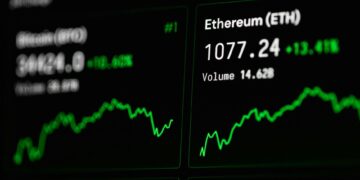
The rise in Bitcoin, often viewed as a hedge against economic uncertainty, mirrors a similar breath of optimism seen in risk assets across the board. Bitcoin increased by approximately 5% following reports about the Iran negotiations, suggesting traders might be positioning for a bullish trend as tensions ease.
What Comes Next for Markets?
Looking ahead, analysts anticipate further volatility in both the energy sector and cryptocurrency markets. The broader sentiment is leaning towards cautious optimism, with experts weighing how likely the Iranian de-escalation will actually unfold. Patrick O’Hare, a market analyst, cautioned, “While the short-term reactions are favorable, how the geopolitical landscape unfolds will be crucial in determining the sustainability of this rally.”
Market participants are expected to keep a close eye on further diplomatic developments, international responses, and potential economic shifts that could stem from newfound negotiation efforts. This situation highlights a crucial link between geopolitical stability and market performance, particularly in sectors sensitive to fluctuations in energy costs.
As the markets continue to digest this news, the interplay between cryptocurrencies and traditional asset classes will likely garner attention. Should diplomatic efforts succeed, this could not only lead to stabilization in energy prices but also boost sentiments across financial markets, paving the way for increased risk appetite among investors.