
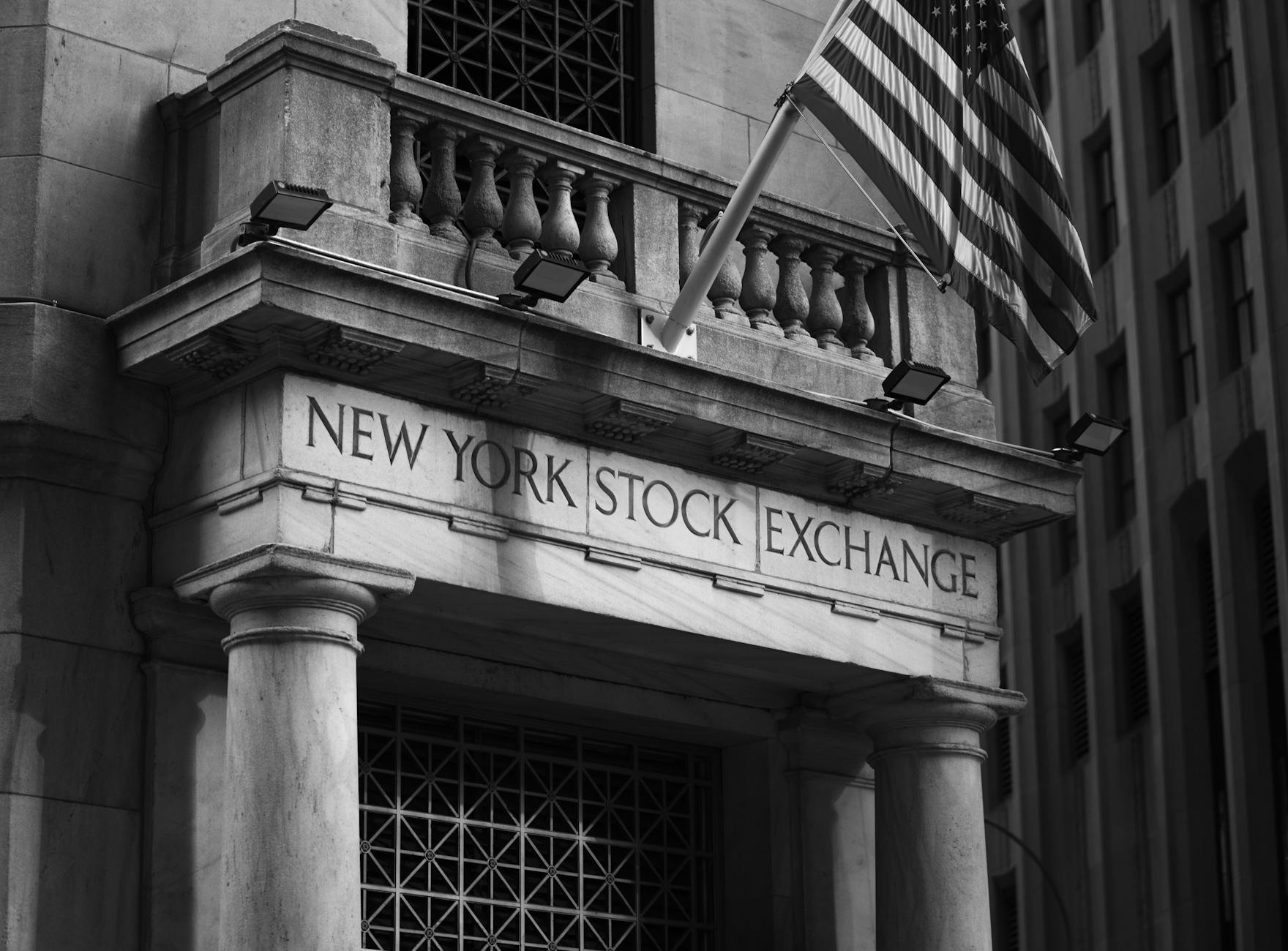
New Legislation Targets Prediction Markets for State Employees
New York and Illinois have enacted measures prohibiting state employees from participating in prediction markets, citing concerns over insider trading and ethical conflicts.
The legislation arose amidst increasing scrutiny surrounding the use of prediction markets, where individuals can wager on the outcomes of future events. State officials in both regions aim to uphold public trust and ensure that governmental duties remain distinct from individual financial interests, especially as these markets gain popularity and see profitable trades linked to significant real-world events. For example, recent reports indicated that trades were made shortly before pivotal occurrences like military strikes, raising suspicions about the integrity of such activities.
Regulatory Measures Intensify Amidst Growing Concerns
On April 22, Illinois Governor JB Pritzker signed an executive order specifically targeting prediction market participation among state workers. The order emphasizes the need to prevent the use of nonpublic governmental information for personal gain through trades made on these platforms. Pritzker’s administration expressed that the proliferation of unregulated prediction markets could undermine Illinois’ traditional and heavily regulated gaming operations, prompting immediate action.
In response to similar concerns, New York has also positioned itself as a formidable state regulator; it has threatened legal action against companies like Coinbase and Gemini, arguing their prediction market operations amount to illegal gambling due to lacking proper licensing. This echoes a broader trend within state legislatures to refine the regulatory framework around digital betting mechanisms, especially those connected to crypto assets.
Critics of the bans, however, assert that the prohibitions could impede employees’ engagement with innovative financial tools. This perspective underscores a burgeoning tension between governmental regulation and the evolving landscape of digital financial platforms.
Impact on Engagement and Market Innovations
The recent legislative moves may thwart state employees’ ability to interact with and understand cutting-edge financial products that could offer educational benefits and stimulate broader market participation. Industry experts argue that as these markets aim for greater legitimacy, thus fostering engagement and innovation, outright bans could lead to more confusion and hesitance in integrating these platforms within financial systems.
Moving forward, professionals within the crypto and prediction market sectors will need to navigate a complex regulatory environment that may shift as legislatures respond to emerging market trends. Balancing ethical safeguards while promoting financial literacy will be crucial as state officials reassess the potential implications for broader financial compliance and innovation.
The growing focus on transparency, ethics, and regulatory oversight suggests further developments in how prediction markets operate within both state and federal frameworks. Other states may follow suit in adopting similar measures, reshaping the broader landscape of how prediction markets and cryptocurrency platforms are perceived.
Sources
- New York and Illinois ban state staff from prediction markets
- Kalshi Fines and Suspends 3 Political Candidates for Betting on Their Races
- Illinois Governor Pritzker limits prediction markets trading for state employees
- New York Sues Coinbase and Gemini, Seeking to Halt Unlicensed Prediction Market Businesses
- Prediction Markets’ Billion Dollar Crackdown








