Key Takeaways
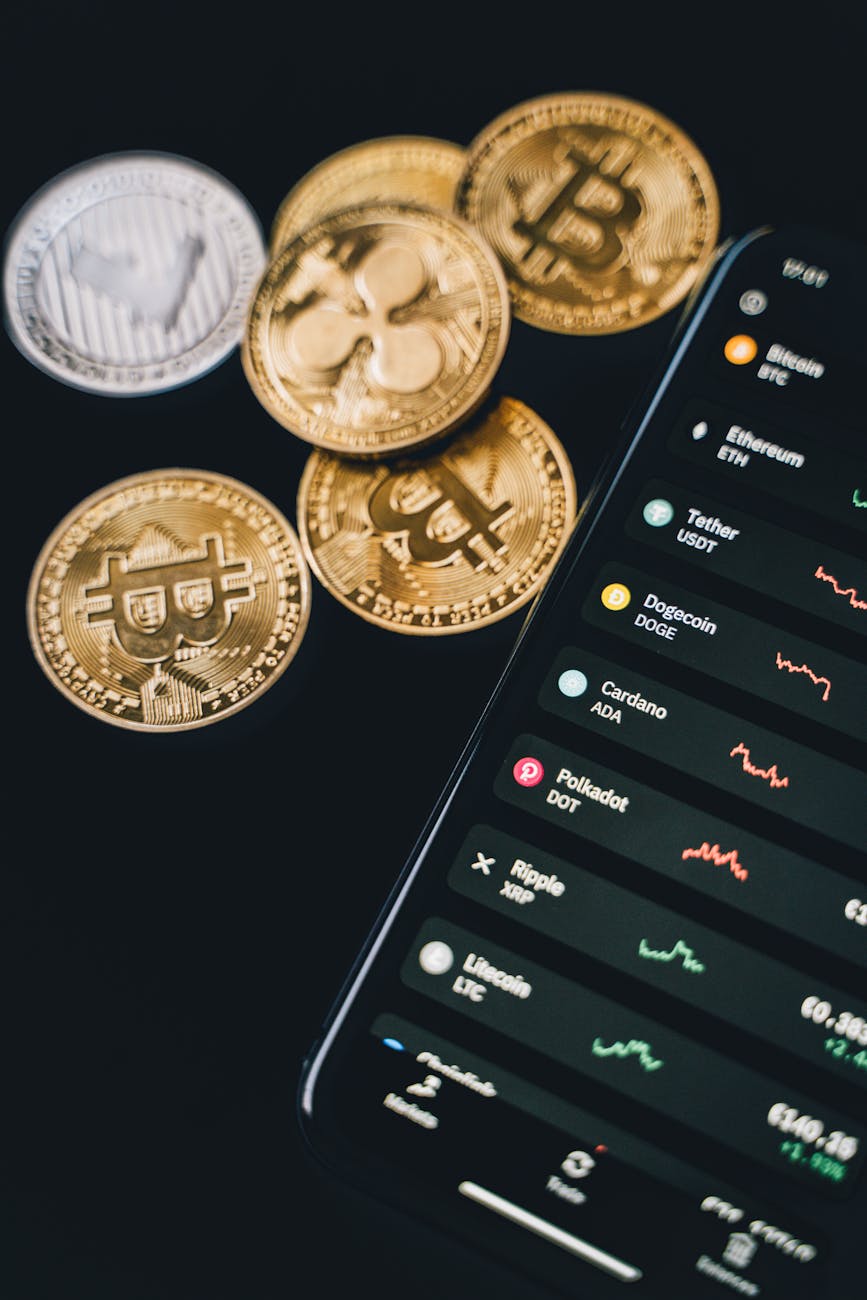
- Bitcoin hovers just below its all-time high but faces downward pressure amid market volatility.
- Decentralized Finance (DeFi) protocols are experiencing a liquidity crunch as transaction fees spike.
- New EU regulatory measures have prompted mixed reactions from both the community and investors.
What Happened
In recent updates from the cryptocurrency sphere, Bitcoin has remained near its all-time resistance levels following a late-afternoon rally, exhibiting modest gains of approximately 1-2%. The leading cryptocurrency is currently trading around $67,000, after a significant drop of about 23-24% year-to-date. Ethereum similarly struggled to maintain momentum, facing declines of around 24-34% and settling near the $2,000 mark. This market behavior is occurring amidst heightened concerns over regulatory actions and macroeconomic factors that are influencing trader sentiment, as discussed in detail by CoinTelegraph.
Why It Matters
The current state of Bitcoin reflects broader trends impacting cryptocurrencies amid increasing scrutiny from regulators, particularly in the European Union. The new regulations aim to adapt to rapid innovations in digital assets, particularly targeting decentralized finance protocols and stablecoins. As a result, institutions are reducing leverage in response to the stricter regulatory environment. For additional insights into how such developments intersect with emerging trends, see our coverage on geopolitical events and cryptocurrency markets.
What’s Next / Market Impact
Looking ahead, analysts are watching for potential breakouts in Bitcoin’s price, particularly as it retains support within a symmetrical triangle pattern between $66,000 and $68,000. Market liquidity may be impacted by an ongoing trend of outflows from Bitcoin Exchange-Traded Funds (ETFs), with recent exits totaling $165.76 million—the largest in weeks—accumulating to nearly $4 billion over the last month. This trend has surfaced concerns regarding the sustainability of Bitcoin’s upward mobility, especially as DeFi platforms experience a liquidity crunch from soaring gas fees that have reduced overall user engagement and transaction activities. Overall, a cautious trading atmosphere persists among investors, suggesting that we may see a continuation of this volatile sentiment through at least the first quarter of the year when more regulatory clarity emerges, impacting key strategies in the sector.