Key Takeaways
- Bitcoin’s price has dropped to around $90,000, marking a significant decline during a period of thin trading.
- Investors are seen engaging in profit-taking as macroeconomic factors influence market sentiment.
- Analysts project that the market may continue to face challenges due to regulatory uncertainties and the Federal Reserve’s position on interest rates.
What Happened
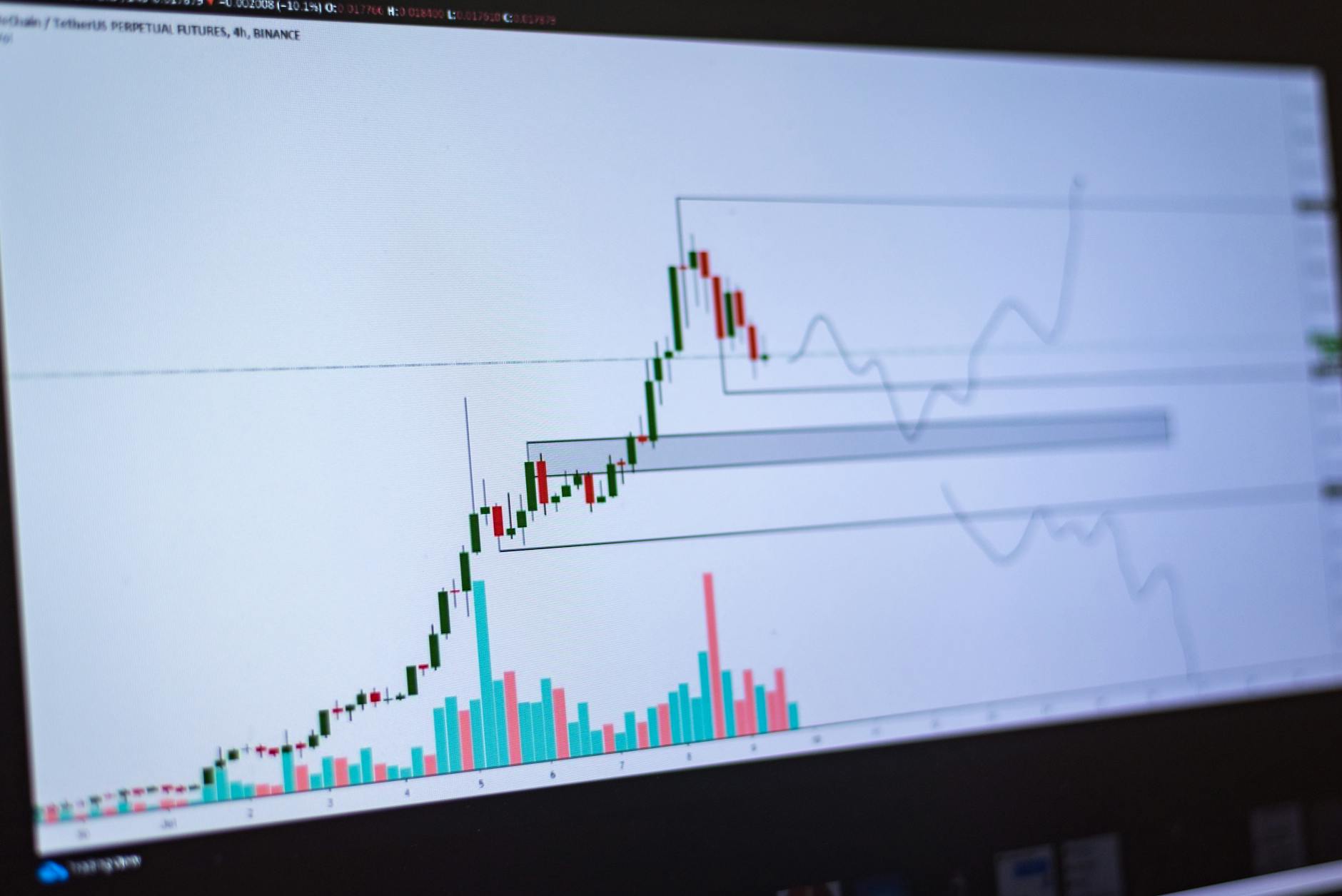
Bitcoin has experienced a notable decline, recently slipping to around $90,000, following a robust rally at the start of January 2026. This downturn resonates across the broader cryptocurrency market, where many altcoins also face losses amid thin trading volumes. Analysts note that the dip comes after Bitcoin reached highs near $94,000–$95,000 earlier in the week, extending its fall to approximately 28% below its most recent all-time high of $126,000 recorded back in October 2025.
Why It Matters
The recent price movement reflects a broader trend of profit-taking among investors who had previously taken advantage of the surging market. The situation seems to be compounded by concerns over the Federal Reserve’s impending interest rate decisions, particularly after recent employment numbers, which have tempered expectations for immediate cuts. This volatility could deter potential investors wary of entering a market marked by significant uncertainty and regulation challenges. Relatively low liquidity in the market is further amplifying price fluctuations, rendering trading conditions more precarious. As we explore in our article on the geopolitical and macroeconomic forces impacting crypto markets, external economic pressures are increasingly influencing everything from price volatility to investor sentiment.
What’s Next / Market Impact
Looking forward, the outlook for Bitcoin and the cryptocurrency market remains murky. Analysts suggest that this decline is a correction within an overall bullish trend, with anticipated support levels resting in the high-to-mid $80,000 range. If market momentum resumes an upward path, previous resistance around the $94,000–$100,000 zone could come back into play. However, the looming specter of regulatory scrutiny continues to unsettle many traders, raising questions about long-term market confidence and recovery trajectories. Furthermore, as ETF capital flows fluctuate, with recent days noting notable outflows, the crypto market’s liquidity concerns may persist, accentuating the potential for heightened volatility in coming weeks.