Key Takeaways
- Bitcoin is experiencing a challenging start to 2026 as it hits near critical resistance levels.
- DeFi protocols are facing liquidity challenges due to high transaction fees, affecting their overall efficiency.
- New EU regulations are prompting market reactions and controversy over their impact on cryptocurrencies.
What Happened
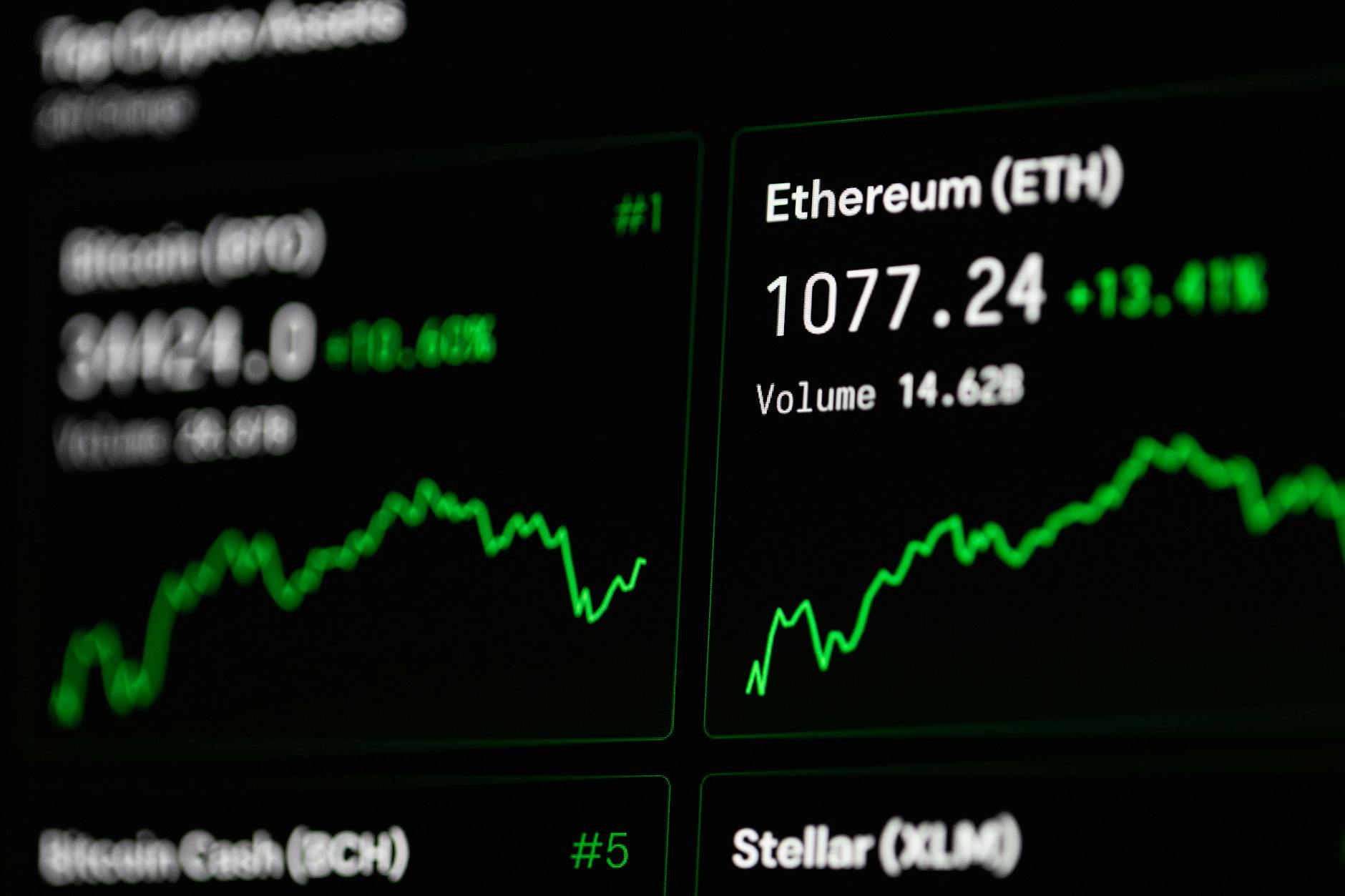
Bitcoin’s price remains under scrutiny today, hovering near significant resistance levels, with trading around $67,000. This follows a recent uptick in activity, despite the coin’s performance logging the worst year-to-date start in history, down between 23% and 24%. It is further complicated by concerns over risk in a macroeconomic context, as many investors are opting to reduce leverage and prioritize liquidity. Ethereum also faced similar challenges, dropping between 24% and 34% to around $2,000. Investors are adopting a risk-averse approach, marked by an ongoing decline in altcoins in the face of broader market uncertainty, according to reported by CoinDesk.
Why It Matters
The current woes of the crypto market come amid growing concerns from both investors and regulatory bodies. DeFi (Decentralized Finance) protocols are experiencing a liquidity crunch, attributed to soaring gas fees, thus complicating transactions and overall usability. These developments are causing industry insiders to further debate the necessity for improved efficiency and lower transaction costs in decentralized platforms. Notably, discussions are also shaping around potential fee cuts within NFT marketplaces as they grapple with the current market climate. Factors such as governance and utility are expected to play pivotal roles in future developments for platforms hoping to maintain functional stability in a crowded space. For additional insights on this interplay between technology and user concerns, check out our previous discussion here.
What’s Next / Market Impact
Market analysts are currently focusing on the implications of impending regulations in the EU, which have sparked mixed reactions across the crypto community. While some see potential benefits in regulatory clarity, others fear that these restrictions could stifle innovation in a field already characterized by volatility and uncertainty. Recent outflows in Bitcoin exchange-traded funds (ETFs) amounting to nearly $4 billion over the last five weeks underline the skepticism surrounding the cryptocurrency sector. In addition to these shifts in liquidity, expert forecasts indicate that altcoins, especially XRP and Dogecoin, may continue to lag due to absent catalysts to drive prices higher. As the market navigates through these changes, it remains to be seen how cryptocurrencies will respond in the long run amidst these mounting pressures and altered investor sentiment, as per insights from various analysts.