
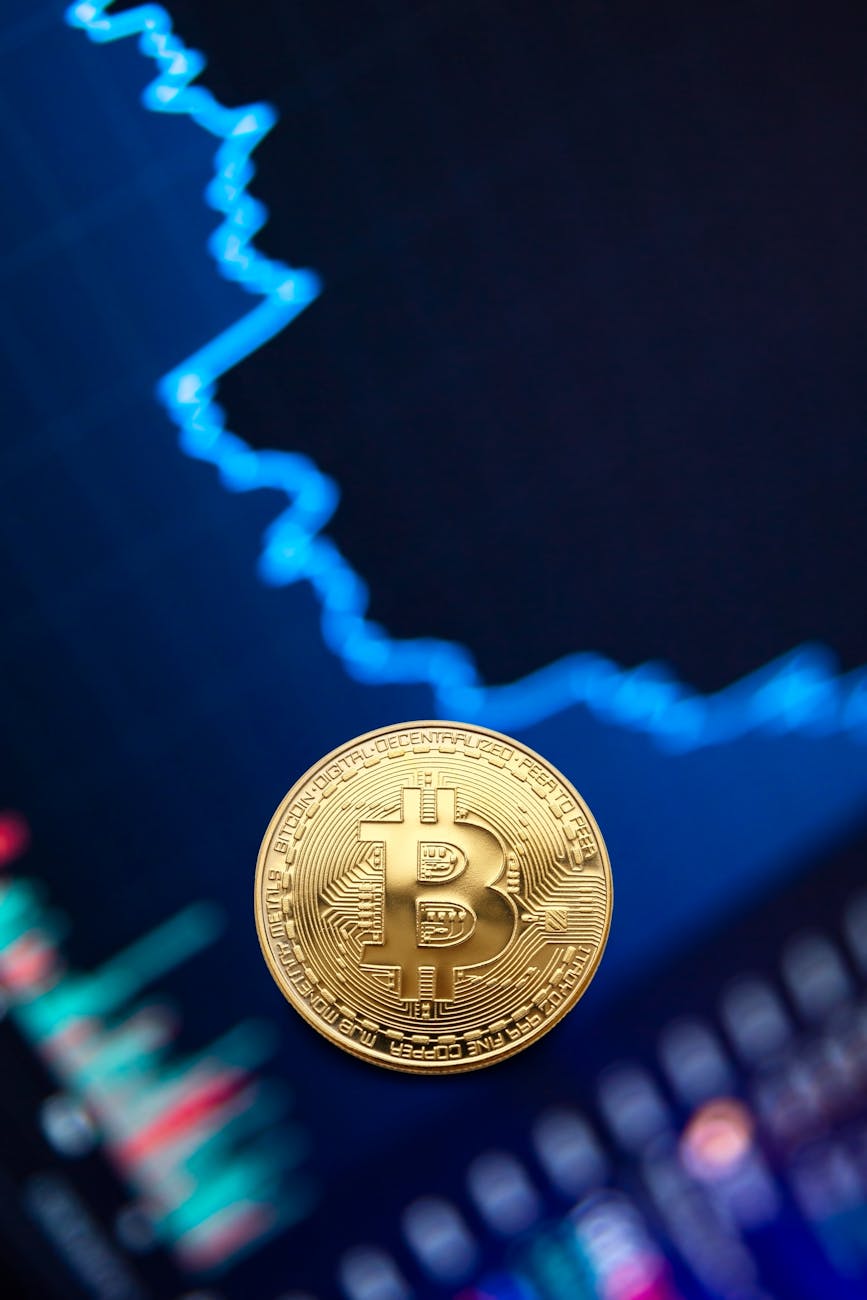
Bitcoin Dips Amid Rising Oil Prices and Geopolitical Tensions
Bitcoin dropped to a one-week low early Tuesday as oil prices surged above $100 per barrel, rekindling fears of potential disruptions in the Strait of Hormuz, according to a report by CoinTelegraph.
This latest price movement reflects the underlying volatility in the cryptocurrency market, as global anxiety about geopolitical stability manifests itself in trading behavior. Oil prices have risen sharply amid stalled peace talks involving Iran, limiting the passage of oil tankers through critical trade routes.
Market Spillover Effects From Oil Price Hike
Bitcoin fell to nearly $92,000 during early trading amid market reactions to escalating oil prices and resulting investor anxieties. Many traders noted that the intertwining between energy prices and cryptocurrencies is a growing theme, particularly as supply concerns loom over emerging markets in Asia.
In early Asian trading, oil prices rose significantly by over 2%, stirring additional volatility in stock and commodity markets. Concerns surrounding Middle Eastern tensions were primarily fueled by the ongoing lack of progress in U.S.-Iran negotiations, which prompted fears of oil supply disruptions.
According to market data, energy prices have historically correlated with shifts in risk sentiment across various asset classes. The current rise in oil prices not only signals potential inflationary pressures but also contributes to broader financial instability, which permeates sentiments in the overall stock and crypto markets.
What’s Ahead for Investors?
Looking ahead, analysts are closely monitoring developments in both the oil markets and broader geopolitical landscape for further signals. Some anticipate that unless there are notable breakthroughs in the diplomatic front, particularly relating to Iranian oil exports, Bitcoin and other cryptocurrencies may continue to bear the brunt of this volatility.
The decline in Bitcoin is symptomatic of larger economic fears among investors, who are increasingly wary of how these external factors could impact not only cryptocurrency but the traditional financial markets as well. Analysts stress the importance of understanding the interconnectedness of global commodities, central bank policies, and cryptocurrency performance as we navigate this period of heightened uncertainty.








