Key Takeaways
- Bitcoin reached $67,000 but had the worst start to a year in history, declining approximately 24% year-to-date.
- DeFi protocols are experiencing significant liquidity challenges as gas fees spike, prompting investor caution.
- In response to new regulatory frameworks, especially in Europe, market sentiment continues to be cautious.
What Happened
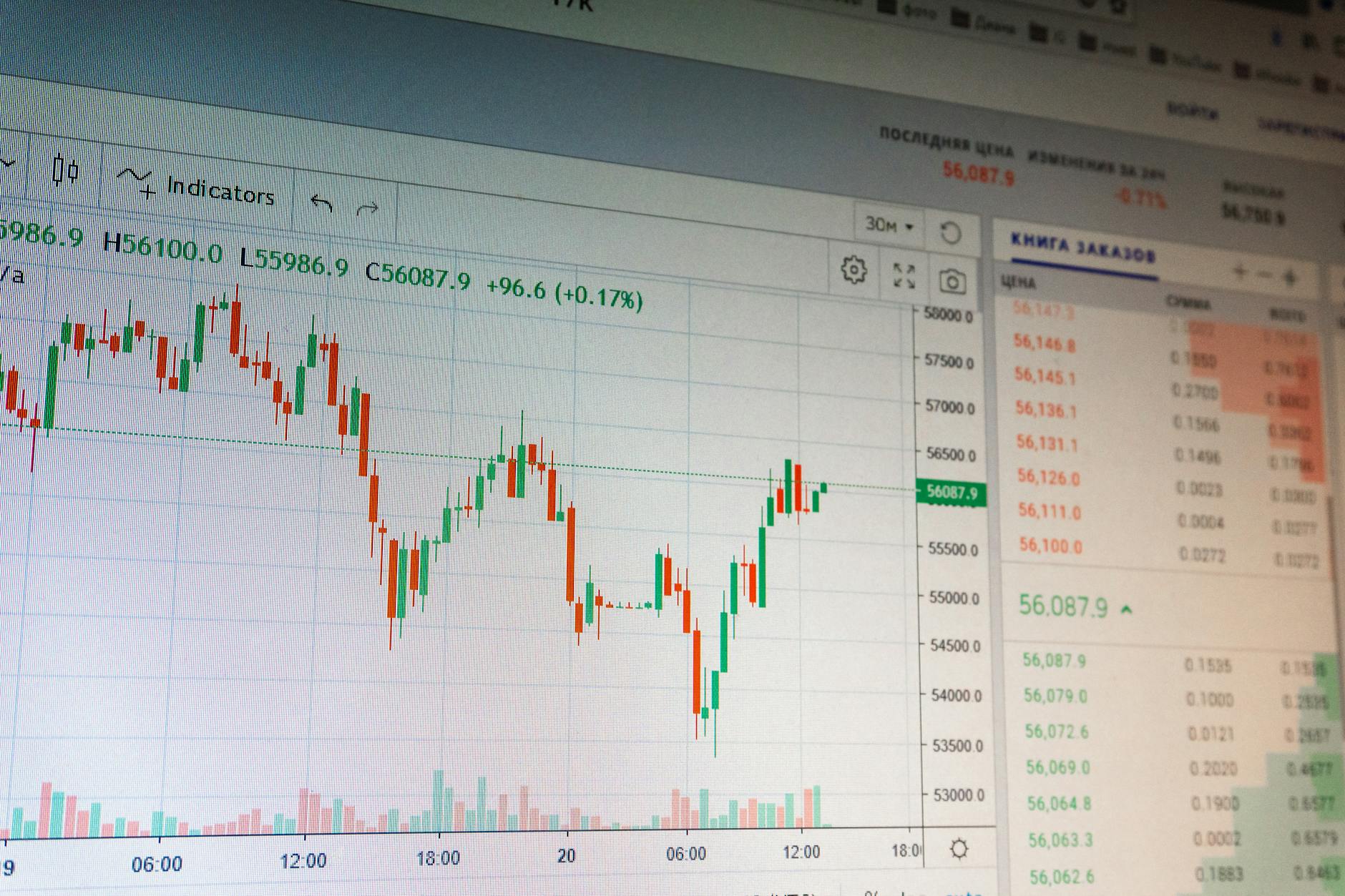
In today’s cryptocurrency landscape, Bitcoin hovered near $67,000 after a late-afternoon rally, facing its first back-to-back monthly losses to start a year, down 24% so far in 2026. Ethereum also struggled, dropping 34% from the previous year, contributing to a risk-averse atmosphere among investors. The broader crypto market is exhibiting caution as many investors reduce leverage and prioritize liquidity amid macroeconomic pressures, a trend evident in the continued outflows from spot Bitcoin ETFs, totaling nearly $4 billion in recent weeks. Additionally, many analysts pointed to a potential technical breakout for Bitcoin, compressed in a symmetrical triangle pattern within the $66,000 to $68,000 range, according to recent market analysis, reported by CoinDesk.
Why It Matters
The current environment signals a vital turning point for many priorities within the cryptocurrency space. High gas fees and a liquidity crunch are impacting DeFi protocols significantly, causing market players to reassess their positions. This situation may lead to deeper explorations into regulatory compliance and financial management strategies across decentralized platforms, particularly as new regulatory frameworks emerge. For instance, European regulations have led to divergent market reactions, stirring up discussions about how these changes will reshape liquidity protocols and user engagement within various ecosystems. In this context, transparency and adherence to new guidelines could become a selling point for platforms aiming to attract cautious investors.
What’s Next / Market Impact
As we look ahead, caution remains the watchword for investors navigating these turbulent waters. Bitcoin and Ethereum continue to struggle against a backdrop of unfavorable macroeconomic conditions, with altcoins feeling even more strain. Analysts are observing a significant impact on trading patterns, as market movements signal bearish sentiment, particularly for high-fee sectors. Furthermore, the performance of DeFi and NFT markets amid these pressures will be crucial to watch, especially as new liquidity sources or financial instruments could emerge to address the current liquidity crunch. In light of all these developments, many investors are wary, with market sentiment reflecting this trend as major assets continue to face downward pressures, unprecedented for January and February, as indicated by comprehensive market data.