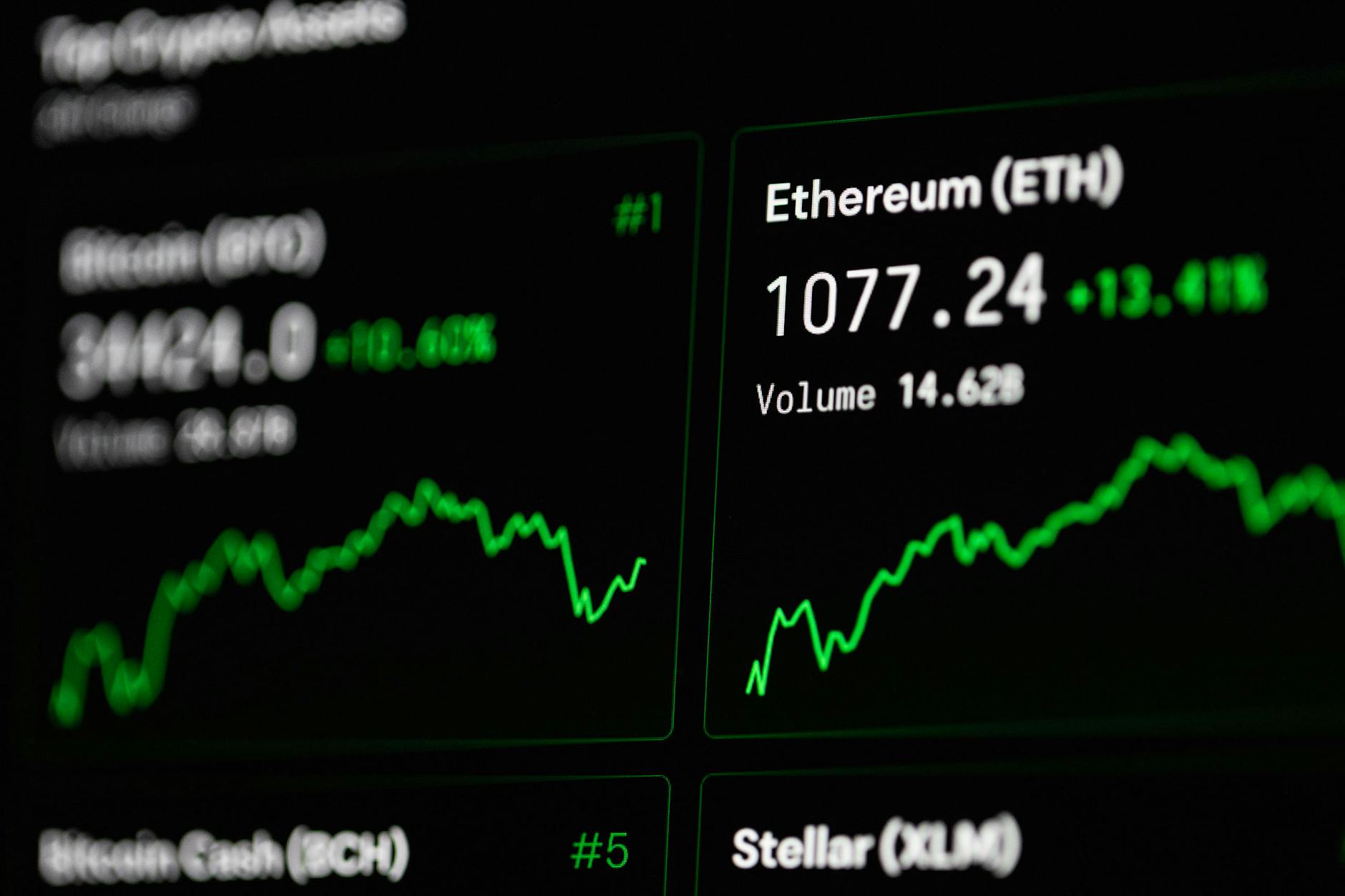
Bitcoin Remains Steady Amid Geopolitical Tensions
Bitcoin maintained a value of $67,500 on March 31, 2026, as former President Donald Trump expressed a willingness to conclude the ongoing conflict with Iran, even if the critical Strait of Hormuz remains shut. Investors are closely tracking the situation, weighing its potential implications for both energy markets and cryptocurrency valuations.
The widening geopolitical strife has resonated across global markets, particularly concerning the Strait of Hormuz, a vital passage for approximately 20% of the world’s oil supply. Despite the turbulence, Bitcoin has exhibited surprising resilience, reflecting a complex interplay between heightened political risks and investor confidence in the cryptocurrency as a store of value during uncertain times.
Trump’s Signals on the Iran War
According to recent reports, Trump indicated to aides that he could support an end to U.S. military operations against Iran without necessitating the reopening of the vital Strait of Hormuz. This move would likely allow Iran to retain considerable control over the strategic waterway while deferring the complexities tied to its reopening for future negotiations reported by the Wall Street Journal.
This nuanced approach has evoked mixed reactions within the GOP and military circles, with some officials expressing frustration over the lack of a clear strategic endgame. The administration’s inconsistent signals regarding the broader objectives of the conflict raise questions about the long-term stability of oil supplies and the implications for the global energy landscape.
The uncertainty surrounding the Strait of Hormuz has also prompted investors to reassess the potential impact on energy prices. While oil markets generally react negatively to such geopolitical tensions, cryptocurrency markets appear to be threading a fine line, with Bitcoin showing a level of fortitude amidst the unpredictability.
Market Reactions to Political Developments
The cryptocurrency sector, particularly Bitcoin, is often viewed as a hedge against traditional markets during uncertain political landscapes. Analysts suggest that Trump’s potential diplomatic resolution could, in the longer term, bolster confidence in Bitcoin as a decentralized asset less tied to conventional economic dynamics.
As the cryptocurrency market grapples with the fluctuations in investor sentiment, there remains a palpable tension between the allure of Bitcoin and the broader implications of the geopolitical landscape. The continued closure of the Strait of Hormuz and the complexities of U.S.-Iran relations are likely to weigh heavily on market movements in the weeks to come.
Bitcoin’s current holding pattern could suggest a period of consolidation before potential volatility emerges depending on how political situations escalate or de-escalate in the region.
Looking Ahead: Analysts Weigh In
Market analysts anticipate that if diplomatic efforts gain traction, Bitcoin could see a surge in investment as fears over geopolitical instability diminish. Experts suggest that stabilization in Middle Eastern relations might sway some investors away from traditional safe-haven assets like gold, directing them toward cryptocurrencies.
Furthermore, if the closure of the Strait of Hormuz persists, and oil supply experiences significant disruptions, the price of commodities may influence Bitcoin’s valuation as investors seek alternative assets to manage inflationary pressures stemming from rising energy costs.
Both the crypto and global markets face an intricate web of influences, where geopolitical developments could significantly reshape investor behavior and asset preferences. In a landscape where political events unfold rapidly, Bitcoin’s capacity to remain a viable investment option could be tested further.