Market Turmoil Triggered by Liquidation Wave
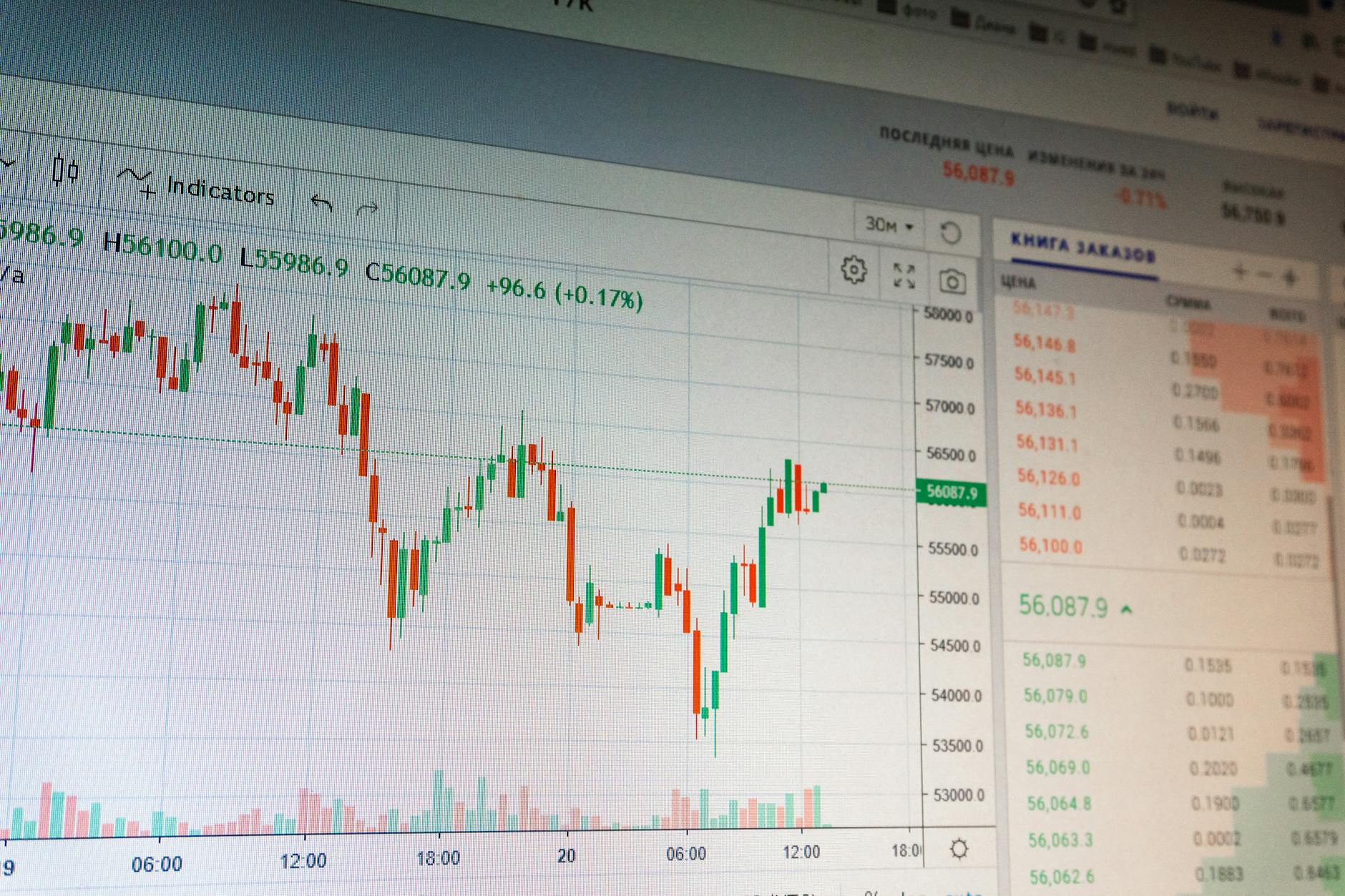
Bitcoin prices fell sharply on April 27, dropping below $77,000 as traders rapidly disposed of approximately $1,500 in transactions within one hour, contributing to a staggering $20 billion decrease in market capitalization, according to data from Bitstamp.
Following a brief rally that saw Bitcoin approach $79,500, the sell-off was compounded by escalating concerns over regulatory scrutiny in the cryptocurrency sector, leaving investors anxious. The recent optimism surrounding an Iranian peace proposal, which initially buoyed market sentiment, failed to sustain momentum as geopolitical tensions lingered.
The Fallout from Liquidations
Reports indicate that the liquidation wave significantly impacted market stability, with the total liquidations reaching approximately $454 million just as the U.S. trading day began. This turmoil was further exacerbated by fears of a potential regulatory clampdown as lawmakers prepare to scrutinize the crypto industry amid rising scrutiny.
A notable consequence of this price fluctuation is the pressure placed on both retail and institutional investors. Many had taken leveraged positions and are now grappling with the reality of deep losses. Short-sellers are currently betting against Bitcoin, contributing to market volatility.
The liquidity crisis has raised red flags across various exchanges. Analysts pointed out that such sell-offs might deter long-term investment, echoing previous cycles where panic and regulatory fears lead to steep declines.
Market Outlook and Future Implications
As traders await further developments, industry experts suggest that the market may experience continued volatility in the short term. The headwinds of regulatory concerns coupled with the excess supply from liquidations could keep prices subdued in the coming weeks. Analysts recommend that investors maintain caution and stay informed about legislative efforts that could reshape the cryptocurrency landscape.
Looking ahead, analysts are keeping a close watch on institutional movements within the Bitcoin market. Past patterns suggest that during periods of significant price corrections, institutional players usually emerge to capitalize on lower valuations, potentially setting the stage for a recovery once market conditions stabilize. Overall, the interplay between regulatory developments and market sentiment will remain the primary drivers of Bitcoin’s trajectory in the near future.