Key Takeaways
- Bitcoin price has dipped below $88,000, filling a previously identified CME futures gap.
- Market sentiment remains cautious as traders monitor volatility and macroeconomic factors.
- Recent inflows into Bitcoin and crypto exchange-traded products could signal a potential recovery.
What Happened
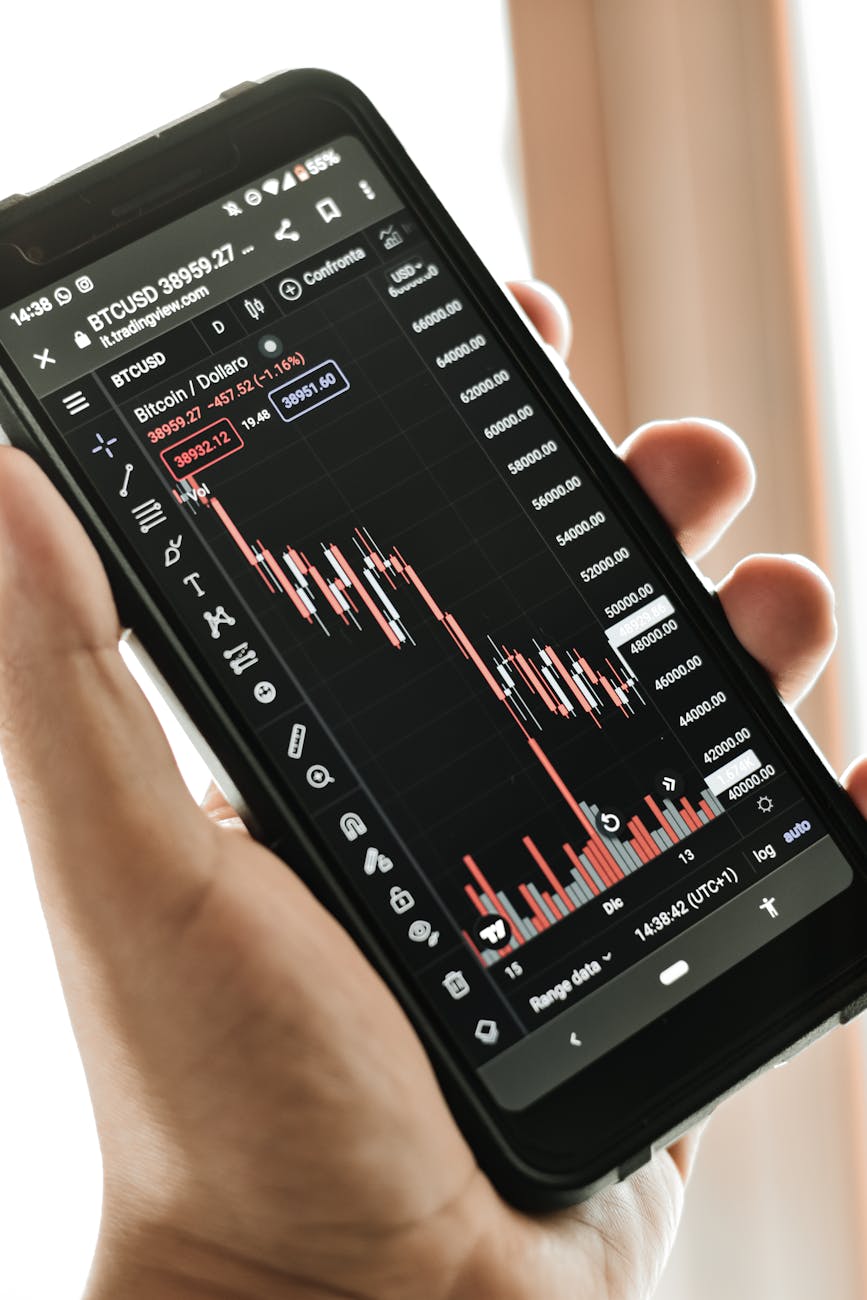
Bitcoin has witnessed a notable price dip, sliding below the $88,000 mark, which coincidentally aligns with a gap in the CME Bitcoin futures market. This gap, formed over the New Year’s holiday, was created due to a significant price difference between the futures closing on December 31 and the opening on January 2, which left the market eager for a correction. According to CoinDesk, the gap fostered anticipation among traders, often seen as a magnet for price action. With Bitcoin dipping to approximately $88,200, it subsequently covered the gap before seeing a mild rebound toward $90,000 amidst broader market turbulence.
Why It Matters
This movement is significant as it marks a critical point in Bitcoin trading, reflecting broader market sentiment. Following the gap fill, Bitcoin experienced a mixed reaction; while there was a sense of optimism with $2 billion inflow into Bitcoin and cryptocurrency exchange-traded products (ETPs) for the week ending January 16—the highest since October 2025—investors remain on edge due to geopolitical tensions. Recent developments, including macroeconomic comments from leaders like President Trump regarding tariffs, have caused traders to remain cautious, as highlighted in our previous explorations of the intersection of geopolitical events and cryptocurrency markets found here.
What’s Next / Market Impact
The closing of the CME gap at below $88,000 may have altered technical support levels for Bitcoin. Market perspectives are now split as traders consider the possibility of further volatility in the short term. Historical patterns suggest that after filling such gaps, prices may stabilize, but there may be concerns over potential fluctuations ahead. The current CME futures prices indicate a progressive rise, as contracts from January to March 2026 range from $89,665 to $90,395. Market analysts will closely monitor orders and price behavior, particularly due to spikes in open interest that may heighten volatility or oscillations as speculated by many in the trading community, per reports from industry experts.