
Bitcoin Experiences a Price Dip as Market Reacts to Geopolitical Developments
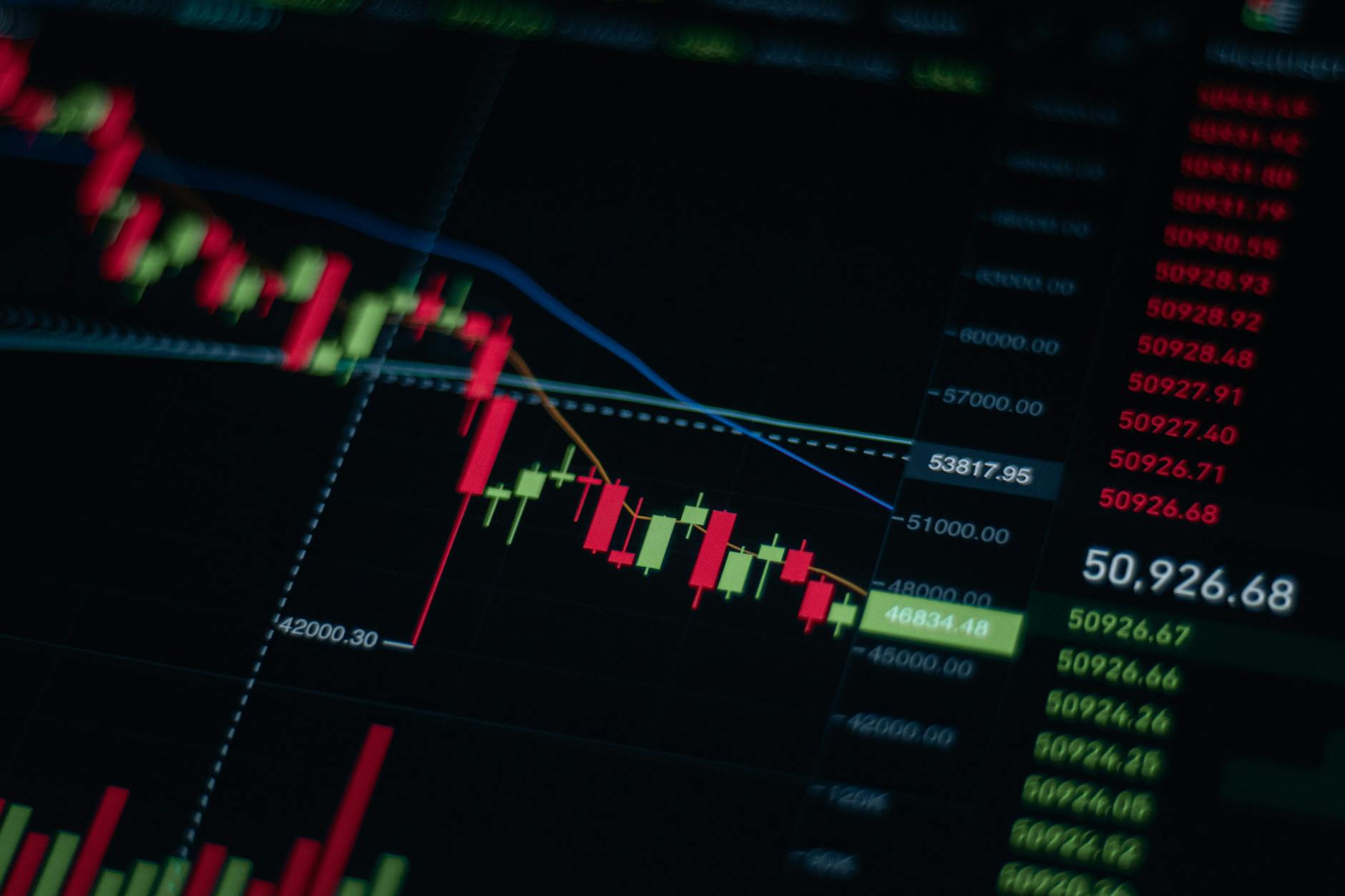
Bitcoin prices fell below $66,000 on March 30, 2026, as investors responded to rising oil prices and an impending press briefing by Secretary of War Pete Hegseth. The downturn occurred as oil prices hovered above $100 per barrel, creating a ripple effect across the crypto market.
Late-day buyers had entered the market when Bitcoin was trading at $68,000, a level that now seems distant. The price decline comes amid increasing volatility associated with both commodity trends and geopolitical developments, leaving many investors feeling uncertain about future movements in the cryptocurrency market.
Market Response to Oil Prices and Geopolitical Uncertainty
The pressure on Bitcoin’s price can be attributed to a variety of factors. Oil prices have surged recently, hitting levels that are raising alarms among market participants. A conflicting narrative of rising costs and potential military operations in the Middle East has contributed to investor anxiety, prompting many to adopt a cautious approach to risk assets like cryptocurrencies.
Recent statements from Federal Reserve Chairman Jerome Powell, suggesting that the central bank is closely monitoring inflation without rushing to address immediate oil price impacts, may have contributed to the mixed sentiment. His comments provided some assurance to bond markets but were not sufficient to stabilize other asset classes, including Bitcoin.
Investors remain wary of heightened volatility, driven by geopolitical tensions, particularly the U.S. military’s preparations for potential ground operations in Iran, which have added a layer of uncertainty. Such political dynamics can impact broader market movements, leading to fluctuations in both stocks and cryptocurrencies.
Future Outlook and Analyst Predictions
Looking ahead, market analysts suggest that the continued geopolitical tensions and energy price fluctuations will likely keep Bitcoin prices volatile in the near term. Analysts have varied predictions, with some suggesting a potential recovery while others caution that further downward movements could occur if current geopolitical factors persist. Several experts have noted that substantial market changes could trigger new trading strategies among institutions and retail investors alike.
The volatility associated with Bitcoin aligns with historical fluctuations seen in the cryptocurrency market. Analysts emphasize the importance of monitoring both economic indicators and political developments, as these factors appear intertwined with market behavior. If developments surrounding oil prices stabilize, the overall sentiment toward cryptocurrency could shift positively, potentially restoring some market vigor.








