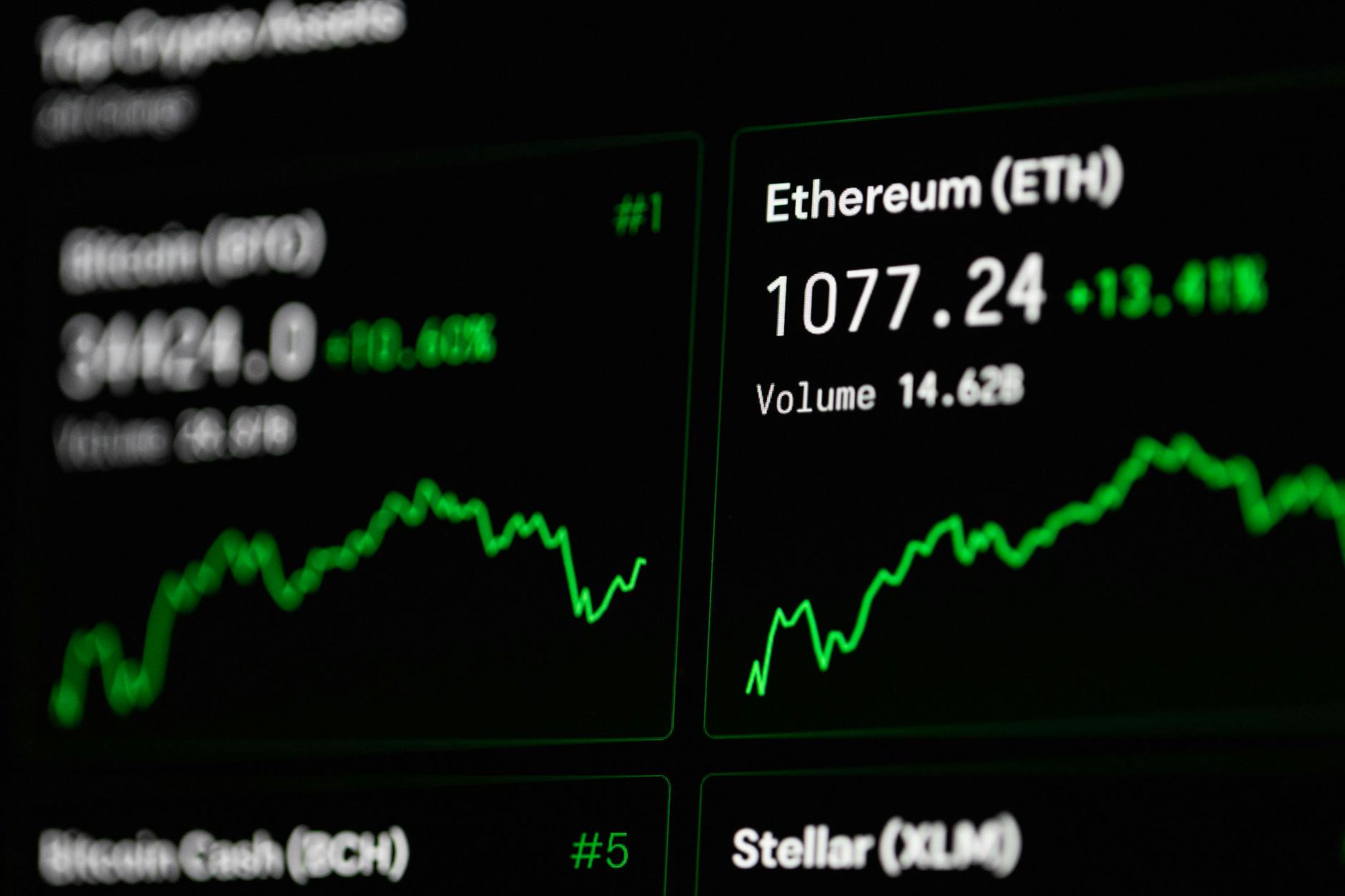
Bitcoin Surges Past $70,000 Amid Oil Price Decline
Bitcoin rebounded significantly on March 4, 2026, closing above $70,000 following an earlier slide, largely fueled by a renewed decline in oil prices that boosted risk appetites in the market. The cryptocurrency reached an intraday high of $71,890, marking its best performance in nearly a month, according to CoinDesk.
This resurgence follows Bitcoin’s dip to around $63,000 amid escalating tensions in the Middle East, particularly relating to U.S. and Israeli strikes on Iran. The subsequent fall in oil prices, which had spiked above $100 per barrel due to supply concerns, was critical in reversing the sentiment for riskier assets, including Bitcoin and gold. As oil prices fell, Bitcoin was able to stabilize and attract renewed interest from investors.
Reinforcement from Institutional Interest
Institutional interest in Bitcoin remained robust, with recent reports indicating that inflows into U.S. spot Bitcoin ETFs exceeded $680 million. This inflow not only supports Bitcoin’s price surge but also highlights the growing institutional appetite for the cryptocurrency, seen as a hedge against inflation and currency devaluation amid geopolitical uncertainties.
Moreover, with nearly 60% of circulating Bitcoin held in profit, market analysts such as those from Bloomberg noted that this could reinforce bullish sentiment. Key price levels are also being closely monitored: support is situated around $68,000, while resistance levels fall between $72,000 and $76,000, where traders anticipate potential volatility as macroeconomic data releases approach.
The trading volume surrounding Bitcoin has ramped up, with buy-side liquidity strengthening near the $69,500 mark. Market trends indicate optimism from speculative traders, albeit tempered by the understanding that a significant portion—approximately 40%—of holders still hold Bitcoin at prices above $70,000. This situation adds layers to the ongoing market dynamics in contexts of future price corrections.
What Lies Ahead for Bitcoin?
As the week progresses, analysts expect Bitcoin to sustain its volatility as additional macroeconomic data unfolds. Investor sentiment will likely be influenced by broader market trends, particularly with upcoming U.S. economic indicators that may provide insights into the Federal Reserve’s policy shifts concerning interest rates.
Market watchers will closely track geopolitical developments, especially in the context of oil prices and their influence on risk assets. Furthermore, continued scrutiny regarding the regulatory environment around cryptocurrencies is paramount, as any new developments could shift investor confidence. Bitcoin’s resurgence, coupled with institutional interest and reinstated liquidity, presents a complex yet promising outlook for the cryptocurrency in the near term.