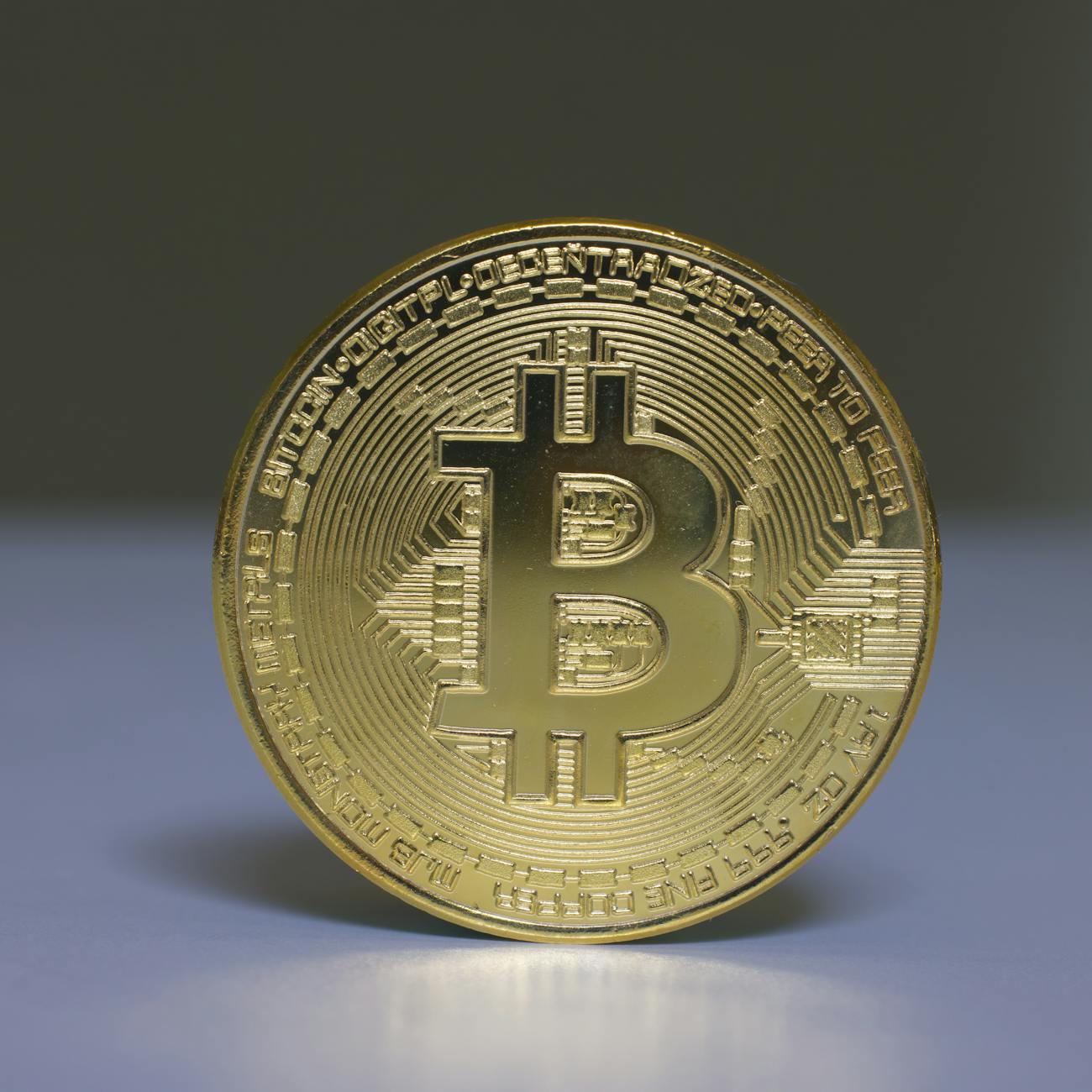
Bitcoin Stays Strong Amid Rising Iran Tensions
Bitcoin’s price dropped 1.6% to $74,335 on Monday as geopolitical tensions in Iran reignited, yet it consistently showcased greater resilience compared to oil and European equity markets. This contrasting performance highlights Bitcoin’s emerging role as a stable asset amid market turmoil.
On the backdrop of renewed hostilities involving Iran, which recently re-closed the crucial Strait of Hormuz, oil prices experienced a significant jump of over 5%, marking volatility that echoed through traditional markets. By contrast, Bitcoin performed relatively steadily, reflecting a shift in how traders perceive cryptocurrencies in volatile environments. The situation remained precarious as investors grappled with fallout from the region, raising alarm across global markets.
Market Reaction to Geopolitical Shifts
As geopolitical tensions escalated, the conventional equity indices experienced a notable downturn, with European stocks declining by more than 1.2%, a response to fears surrounding a potential conflict. Reports indicated that the Iranian government cited U.S. sanctions as a significant factor in its latest maritime decisions, which could potentially disrupt global oil supply chains further.
The divergence in performance between Bitcoin and traditional commodities like oil is becoming increasingly pronounced. Traders observed that Bitcoin appeared to have absorbed much of the geopolitical risk associated with the Iranian situation, suggesting that many holders who were inclined to sell might have already done so. This behavioral shift supports the idea that Bitcoin is increasingly being viewed as a “geopolitical shock absorber.” The current price fluctuation also reaffirmed Bitcoin’s position around significant support levels of $74,000, with analysts closely monitoring the thresholds.
Investors are paying attention to the gap between Bitcoin’s resilience and traditional markets’ reactions. This divergence may indicate a new phase in cryptocurrency investment strategies, particularly as global unrest unfolds, influencing decision-making processes among traders.
What Lies Ahead for Bitcoin Amidst Volatility
Looking forward, analysts suggest that Bitcoin could continue to solidify its status as a safe haven asset, particularly if traditional markets remain susceptible to geopolitical tensions. Growing trader interest in Bitcoin ETFs and increasing institutional investments highlight a burgeoning belief in its long-term value as a hedge against uncertainty.
As inflationary pressures persist globally, Bitcoin’s appeal as a non-sovereign treasury alternative could gain more traction. The developments in the Iranian conflict exemplify an environment where investors may prioritize cryptocurrency to shield against traditional assets’ volatility. The ongoing situation in the Middle East might fuel further interest in digital currencies, potentially leading to new price dynamics as traders evaluate each significant news event from the region.