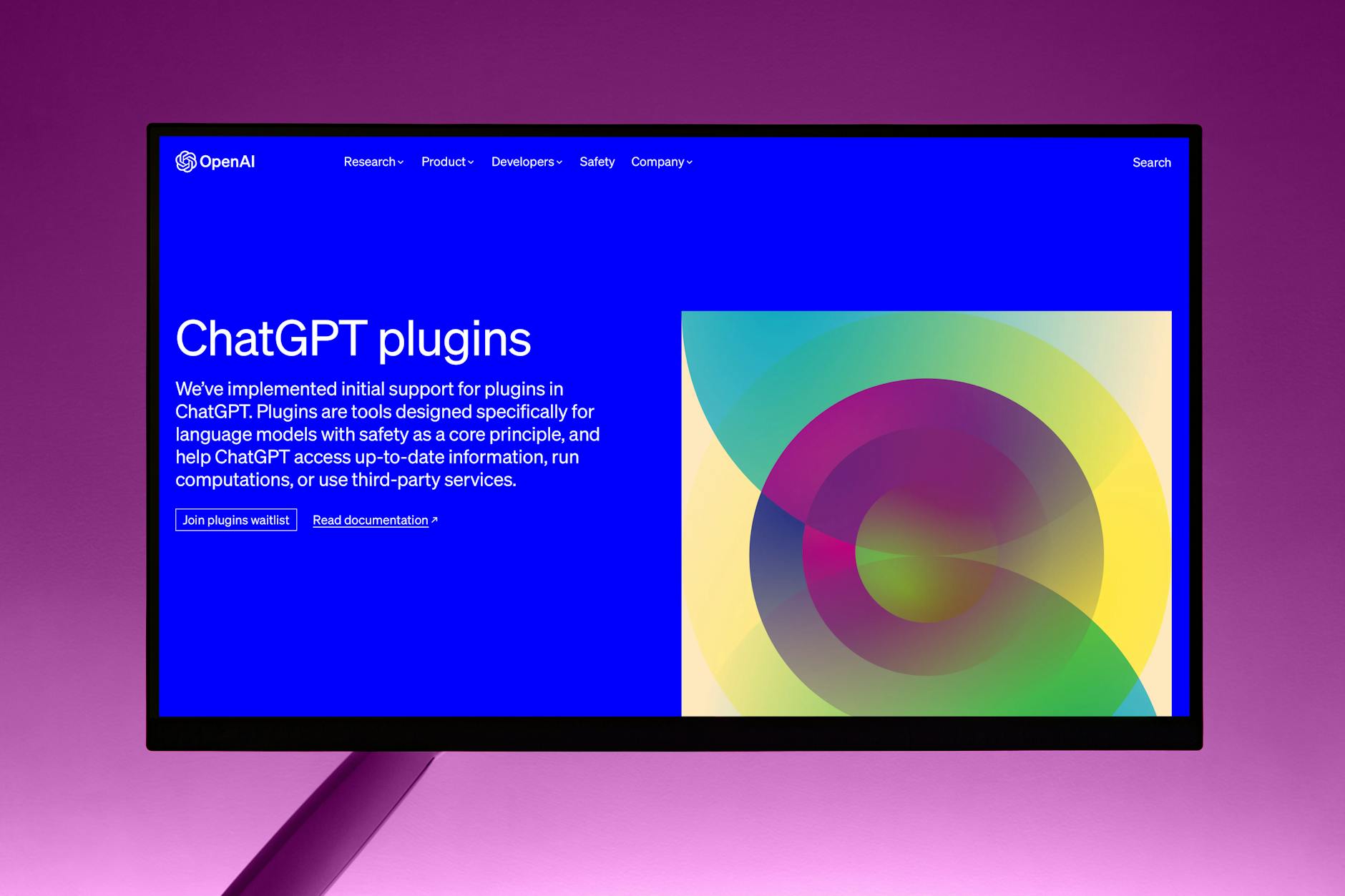
OpenAI Announces New Workspace Agents Feature in ChatGPT
OpenAI introduced a new feature for its ChatGPT tool called Workspace Agents on April 21, aiming to enhance workplace productivity through task automation. This innovation leverages Codex technology to streamline repetitive operations like report generation, coding, and communication across platforms such as Slack.
The Workspace Agents feature allows organizations to integrate artificial intelligence directly into their existing workflows, which could yield considerable efficiency gains. According to OpenAI, this toolset is designed to adapt to the varying needs of different organizations, potentially transforming how teams manage routine tasks and communications.
Integration of Automation into Daily Operations
Workspace Agents is seen as a significant step forward in automating routine workplace tasks. The technology will be able to generate reports, respond to messages across platforms, and even write code, reducing the manual effort required by employees. As businesses increasingly seek to improve productivity, this feature may attract organizations looking for innovative solutions to enhance their operations.
OpenAI officials anticipate that integrating AI into everyday business processes will not only help workplaces operate more smoothly but also allow knowledge workers to focus on higher-value tasks. The flexibility of Workspace Agents could make it an appealing option for a diverse range of industries, from technology firms to healthcare providers.
This launch comes at a time when companies are actively exploring AI solutions to remain competitive in an era marked by rapid technological advancements. As organizations adapt, using AI-driven tools such as Workspace Agents might become standard practice.
Future Implications for Work Practices
Looking forward, experts suggest that this new feature could mark a pivotal moment in the evolution of workplace autonomy. As organizations continue to incorporate AI technologies, job roles may shift towards more analytical and strategic functions, leaving routine tasks to automated systems.
Industry analysts are keen to observe how Workspace Agents will be received by the market. If successful, it could pave the way for broader acceptance of AI technologies in workplaces and spur further developments in automation tools tailored specifically for business environments. The initial feedback from users will be crucial in determining the future direction of such technologies.
As AI continues to redefine workflows, Workspace Agents represents another step in the ongoing integration of technology into the fabric of daily work life. Companies grappling with workload management may view this tool as an opportunity to enhance operational efficiency and employee productivity.