Bitcoin Trading Volume Declines Sharply
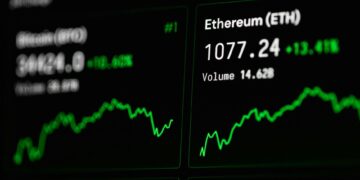
Bitcoin trading volume has experienced a significant drop, raising concerns about liquidity and market stability. The downturn, noted since the beginning of the month, highlights a potential shift in investor sentiment and increasing regulatory pressures, according to data from CoinDesk.
The cryptocurrency market is at a critical juncture. Recent reports indicate that Bitcoin trading volume fell by nearly 60% in April alone, a trend not observed in recent times. Analysts are cautious about the implications of this rapid decline, as it often coincides with heightened price volatility, challenging traders around the world.
Investor Sentiment Shifts
With trading volumes plummeting, both retail and institutional investors are reassessing their positions. Data shows that many traders have shifted their focus away from cryptocurrencies, influenced by both market sentiment and ongoing regulatory discussions in various jurisdictions. Many firms, including Robinhood, have reported significant drops in crypto-related revenues and are working to diversify their offerings away from Bitcoin trading, which typically served as a significant revenue driver.
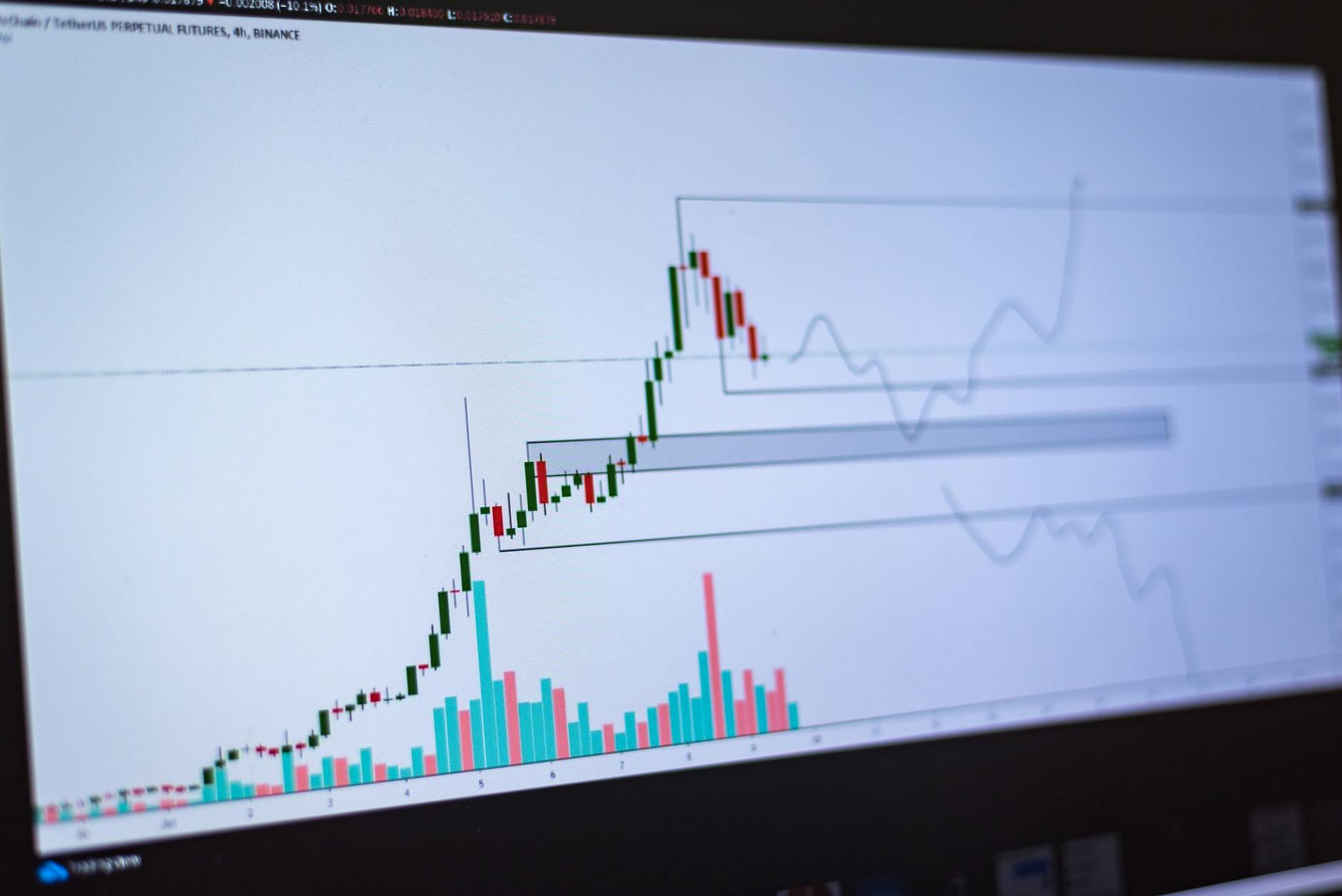
The decline in trading volume corresponds with dwindling market participation, sparking fears of increased volatility and potential sell-offs if the trend continues. As seen in previous instances of market downturns, lower trading volumes can enhance the price swings that traders are observing.
Trading platforms and exchange firms like Robinhood reported a staggering 47% drop in crypto revenues as customer activity shifted sharply towards traditional investment products and event contracts. Despite an overall revenue increase due to bet surges in other sectors, the drastic drop in crypto activity signals a concerning shift.
Market Reactions to the Decline
In light of these developments, the Bitcoin market faces pressure and uncertainty. The current environment fosters anxiety among existing holders, leading many to reassess their risk appetite. Market analysts suggest that volatility may intensify as liquidity tightens, compelling traders to approach the market with heightened caution.
As Bitcoin struggles to maintain momentum, institutions are keeping a close watch on any potential rebounds. Many are expressing a wait-and-see attitude, as upward trends become harder to identify without robust participation. The lack of liquidity could lead to swift sell-offs, further compounding the issue if panic ensues among traders betting on price declines.
With the evident decline in trading volume comes a broader dialogue concerning regulatory frameworks and guidelines. Stakeholders are advocating for clearer measures, particularly in light of the increased scrutiny Bitcoin has been facing from various governments worldwide. The prospect of enhanced regulations may discourage speculative trading, contributing further to declining volumes.
This cautious environment may resonate with forecasts predicting price stagnation or corrections unless more favorable trading conditions arise, galvanizing investor confidence and engagement.
Potential Forward-Looking Strategies
Market experts emphasize the need for renewed strategies to navigate the tight liquidity problems and potential price swings. Participants might need to employ advanced risk management techniques and make informed predictions to avoid being caught in sell-off situations;
Despite the current downturn, there are still opportunities for those who closely monitor industry trends and adopt adaptive strategies. The market remains sensitive, and investors may benefit from identifying key indicators as they arise. Meanwhile, innovative projects that successfully raise capitals, such as Pepeto, which recently exceeded $9.5 million in funding, may point to ongoing healthy interest in specific segments of the crypto space.
Overall, as market participants prepare for what could be a turbulent time in the crypto sector, aligning strategies with compelling trends and timely regulatory developments could spell the difference in navigating through the growing uncertainty.