Key Takeaways
- Boston Dynamics has kicked off the commercial production of its Atlas humanoid robot, with all 2026 delivery slots already booked.
- The Atlas robot is designed for industrial applications and will be deployed at Hyundai and Google DeepMind facilities as part of a broader automation strategy.
- This move signifies a transformative step for Boston Dynamics, shifting from research-oriented projects to delivering commercially viable products in the robotics sector.
What Happened
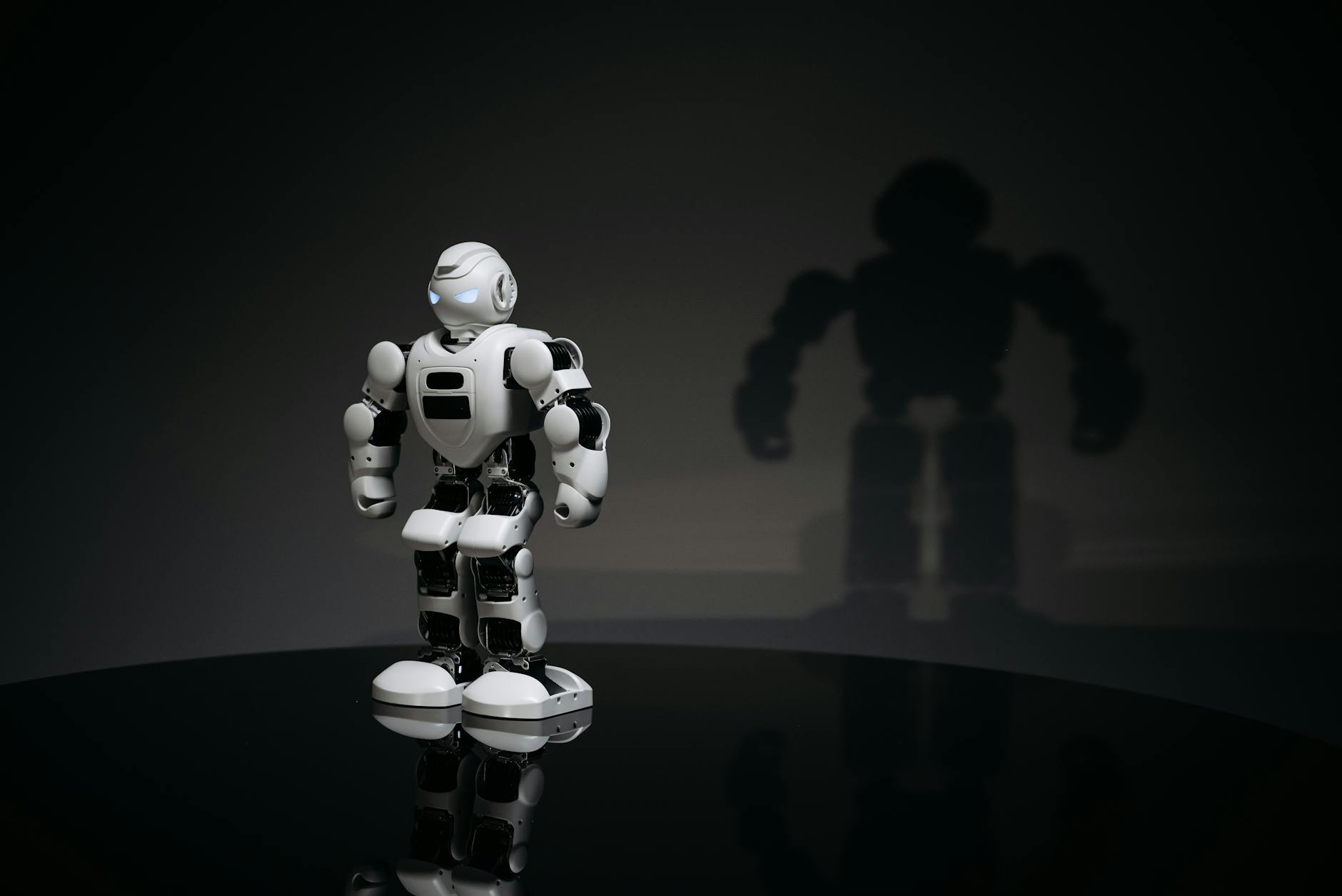
Boston Dynamics has officially announced the launch of its Atlas humanoid robot at CES 2026, marking a significant milestone as the first commercial, production-ready version of this advanced machine. The company has stated that manufacturing will commence immediately, with all delivery slots for 2026 already filled. Key clients such as Hyundai Motor Group and Google DeepMind will receive the initial units to be deployed in their facilities, as reported by CoinDesk.
Why It Matters
This development is crucial for the manufacturing and industrial sectors as the Atlas robot is designed to perform physically demanding tasks, including heavy lifting and precision handling of components. Hyundai has ambitious plans for large-scale deployment across its manufacturing network, aiming to produce up to 30,000 Atlas units annually in a specialized robotics factory. Moreover, the partnership with Google DeepMind aims to integrate cutting-edge AI models into Atlas, enhancing its operational capabilities. Given the ongoing demand for automation solutions across industries, this strategic move aligns well with the transition toward smart factories and automated systems.Related: Cryptocurrency Adoption in Underdeveloped Regions
What’s Next / Market Impact
As production ramps up, Boston Dynamics is preparing for a rapid scaling of operations. The initial deployment slated for 2026 is part of a broader roadmap that includes potential expansions to other industries and clients in subsequent years. The features of Atlas, such as its electric base, autonomous maneuverability, and advanced object manipulation capabilities, put it at the forefront of industrial robotics. With 56 degrees of freedom, it can operate in environments ranging from -20°C to 40°C, making it versatile for various tasks. By leveraging Google’s AI advancements, Atlas also improves its learning curve for new tasks significantly, suggesting a bright future in automation for complex industrial settings.