
Canada Moves to Ban Crypto ATMs Amid Financial Crime Concerns
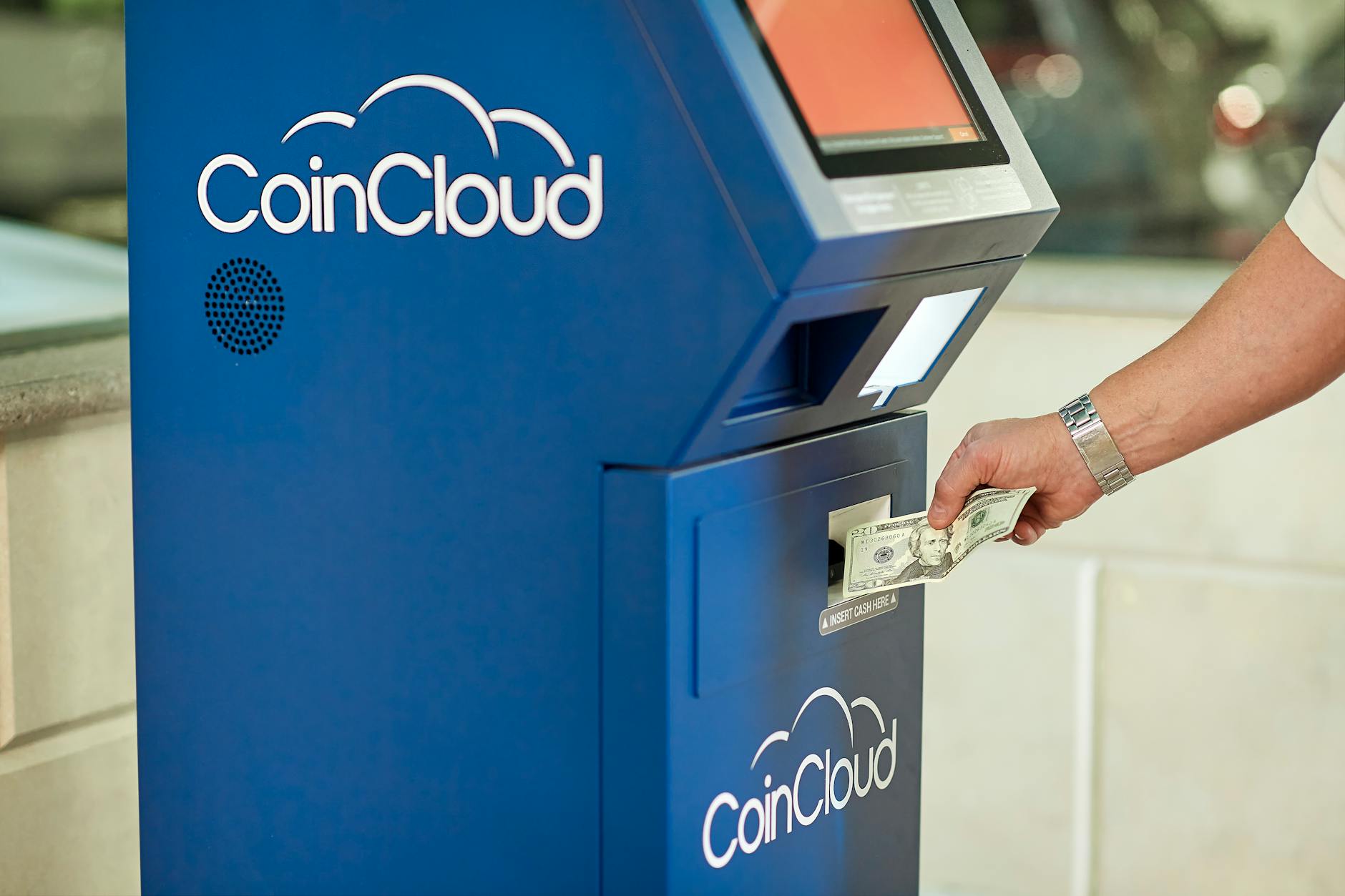
The Canadian government advanced its plan to ban Bitcoin and other cryptocurrency ATMs on April 20, citing a surge in financial crime and regulatory compliance issues. With nearly 4,000 machines operating across the country, the proposed legislation aims to deter illicit activities while protecting consumers.
The push for a ban comes as global discussions evolve regarding the oversight of digital currencies and the safety of banking systems. In Canada, the use of crypto ATMs has ballooned, prompting a growing number of reports linking these machines to money laundering and fraud, necessitating a stricter regulatory response.
Concerns Over Illicit Activities
According to reports from the Financial Transactions and Reports Analysis Centre of Canada (FINTRAC), a disproportionate amount of illicit activities have been traced back to cryptocurrency transactions facilitated via these ATMs. Authorities claim that these machines, which allow individuals to buy or sell cryptocurrency for cash, have become conduits for unregulated monetary exchanges that sidestep traditional banking scrutiny.
Statistics reveal an alarming trend; since the onset of the COVID-19 pandemic, transactions involving illicit activities using cryptocurrencies have spiked by over 200%. As this rise escalates, Canadian officials argue that the current regulatory framework for crypto transactions is insufficient to combat growing financial crime.
Minister of Finance Chrystia Freeland emphasized that the move is critical to ensuring the integrity of the Canadian financial system. “We must protect our economy and citizens from the potential harms posed by unpredictable and unregulated market players,” she stated during a press conference announcing the proposal.
The Global Context
This decision aligns with a broader trend among nations grappling with digital currencies and their implications. Japan recently instituted stricter regulations on crypto transactions, while the European Union is also exploring ways to better regulate these financial technologies. In the U.S., lawmakers continue to debate various bills aimed at creating a more robust regulatory framework governing both cryptocurrencies and their exchanges.
Experts anticipate that Canada’s ban could shape global regulations further, pushing other nations to rethink their approaches to cryptocurrency transactions. The ripple effect of these regulatory changes suggests an intensified focus on ensuring compliance and protecting consumers while mitigating the risk of financial crimes.
What Lies Ahead for Crypto Regulation
The proposed ban on crypto ATMs may have severe implications for businesses currently relying on these machines for transactions. Industry advocates have expressed concerns that such a blanket ban may drive cryptocurrency activities underground, shifting them to less regulatory environments, and could ultimately stifle innovation within the sector.
Canadian cryptocurrency companies are now assessing their strategic options amid this regulatory uncertainty. Analysts suggest a recalibration of business models may be necessary to remain compliant while maintaining operations. Industry forums indicate that legal challenges could arise if the ban is enacted, leading to potential court battles over the interpretation of regulatory authority in digital finance.
As more nations contemplate similar measures, the digital currency landscape is poised to shift dramatically. Although the intentions behind the proposed ban are to enhance financial security, the long-term consequences will necessitate significant adaptation from both regulators and the crypto industry.








