
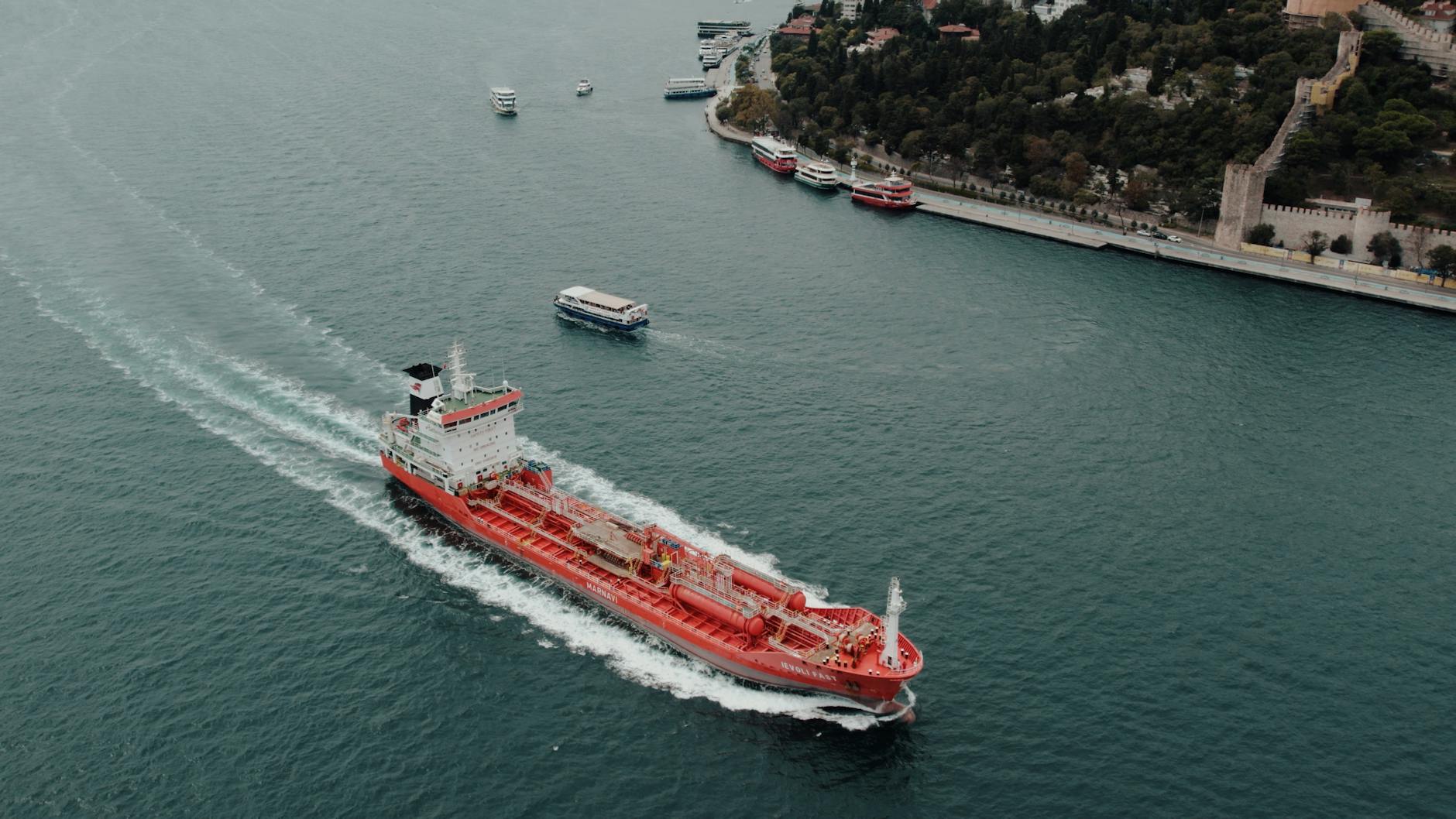
Rich Starry Defies U.S. Naval Blockade in Hormuz
Chinese-owned tanker Rich Starry successfully traversed the U.S.-imposed blockade in the Strait of Hormuz on April 15, marking the first known breach since the blockade’s inception. This incident sent West Texas Intermediate (WTI) crude prices soaring to $90.40 a barrel, heightening concerns about the potential for increased market volatility amidst ongoing geopolitical tensions.
The Rich Starry executed this maneuver shortly after the U.S. imposed a blockade aimed at curtailing vessels heading to Iranian ports. Notably, it was the first tanker to exit the Gulf and make it across the crucial maritime chokepoint since enforcement began. According to shipping data, the vessel had loaded its cargo in Hamriyah, United Arab Emirates, before making its passage through the strait, which is strategically significant for global oil transport.
Tanker Movement Amid Blockade Tensions
Despite the blockade aimed at restricting oil shipments to and from Iran, data showed that several tankers, including Rich Starry, managed to navigate the strait without interception. The U.S. Navy’s efforts on the first day of the blockade reportedly included stopping other vessels, but four tankers managed to pass through, primarily because they were not bound for Iranian ports. Other vessels with Iranian ties also attempted to cross, demonstrating a potential reevaluation of maritime enforcement efforts in the region.
As WTI crude prices escalated sharply following reports of the Rich Starry’s successful transit, analysts noted that this could signify a shift in the enforcement landscape. With a delicate balance existing around oil prices, the prospect of continued Iranian oil shipments reaching the markets raises concerns about further disruptions or sanctions in the future.
Market observers noted that the price spike could have ripple effects throughout the global oil trade, potentially increasing consumer prices and impacting economic stability in oil-importing nations. Some analysts indicated that sustained oil price increases might lead to heightened inflationary pressures worldwide, complicating monetary policy decisions in various economies.
Looking Ahead: Implications for Global Trade
Looking ahead, analysts speculate on the implications of this event for future maritime operations in the region. The breach of the blockade by Rich Starry could embolden additional vessels to follow suit, challenging the U.S. Navy’s containment strategy. With ongoing tensions in the Middle East and the possibility of retaliatory measures from the U.S. or its regional partners, maritime risks are likely to escalate.
The geopolitical dynamics surrounding oil transport through the Strait of Hormuz might prompt a reconsideration of current U.S. policies regarding sanctions and maritime security. Industry experts suggest that navigating through this high-risk zone may become increasingly common, fostering a climate where compliance with sanctions is tested against the backdrop of economic necessity.
Ultimately, the Rich Starry’s passage may symbolize not only a stand against U.S. sanctions but also a potential catalyst for broader change in how oil trading operations are conducted, particularly in geopolitically sensitive areas. As such, stakeholders in the oil industry and related markets should remain vigilant and prepared for swift adjustments based on emerging developments.
Sources
- Hormuz Oil Bitcoin Watch: China’s Tanker Breaches the Blockade
- Sanctioned China-Linked Tanker Turns Back to Hormuz after Gulf Exit
- Tankers Transit Hormuz On First Day Of US Blockade
- Tankers Pass Strait of Hormuz on First Day of US Blockade, Data Shows
- Iran claims oil tanker transits Strait of Hormuz amid U.S. blockade on Iranian ports








