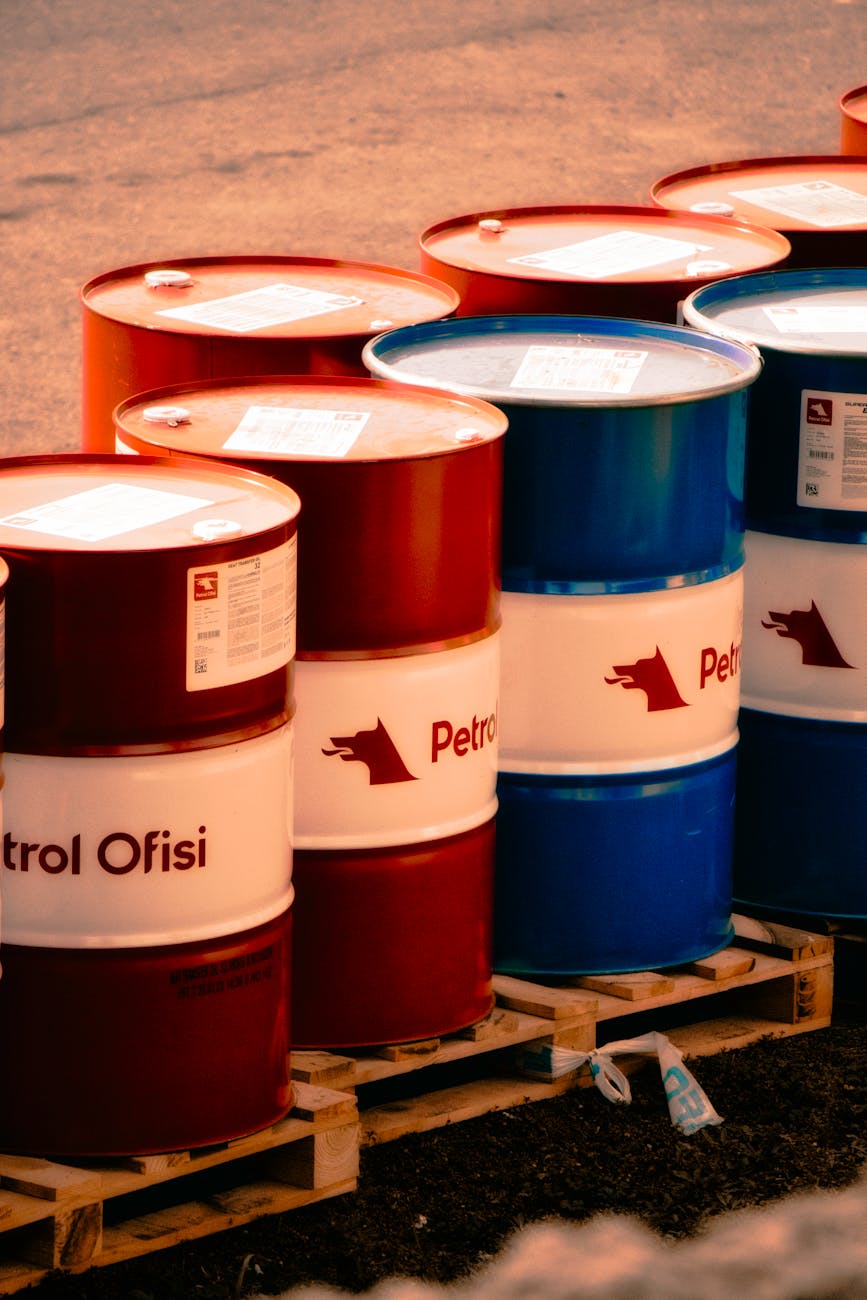
Crude Prices Surge Amid U.S.-Iran Tensions
President Trump signaled a potential military strike on Iran’s Kharg Island oil terminals, triggering a dramatic increase in oil prices, with West Texas Intermediate (WTI) surpassing $107 per barrel, and Brent crude reaching over $101 on March 12, 2026.
This price jump, marking the highest levels seen since mid-2022, reflected heightened concerns over ongoing geopolitical tensions in the Middle East. Kharg Island serves as a critical hub for Iran’s oil exports, accounting for around 90% of the nation’s oil shipment capacity. Any disruption from military interference could sharply affect global oil supplies, exacerbating existing market vulnerabilities.
Market Reaction to Geopolitical Risks
The sudden surge in WTI and Brent prices—up 16.2% and 9.2% respectively, since last week—has put significant strains on oil markets already grappling with production cuts from Iraq, Kuwait, and the UAE due to filling storage tanks. Analysts note that ongoing conflicts involving oil facilities among Iran, Israel, and the United States heighten fears of further instability, as seen with the recent attacks on various energy infrastructures.
This volatility has made markets particularly sensitive to the flow of oil through the Strait of Hormuz, a vital shipping route. Disruptions here could lead to even more dramatic price fluctuations. “If military conflicts escalate, we might see oil prices pushing higher,” said an industry analyst, reinforcing concerns over the instability in the region.
The implications for the broader economy are substantial. Sustaining oil prices above $100 a barrel may reignite inflationary pressures reminiscent of those seen after Russia’s invasion of Ukraine, potentially pushing U.S. inflation rates back towards 3%. Economic analysts suggest these circumstances could hinder expectations for the Federal Reserve to consider future rate cuts.
What Happens Next?
Looking ahead, market experts expect crude prices to fluctuate based on developments in U.S.-Iran relations and military posturing. Speculation around potential military engagement and its implications on oil exports continues to permeate investor discussions.
Natural gas prices have also experienced an uptick of about 11%, highlighting a broader concern over energy prices in light of these geopolitical developments. Some analysts project that if peace returns and military tensions ease, oil prices could stabilize and retrace in the second quarter of 2026. However, significant infrastructural damage or prolonged military actions could lead to a high-price regime remaining intact for the foreseeable future.