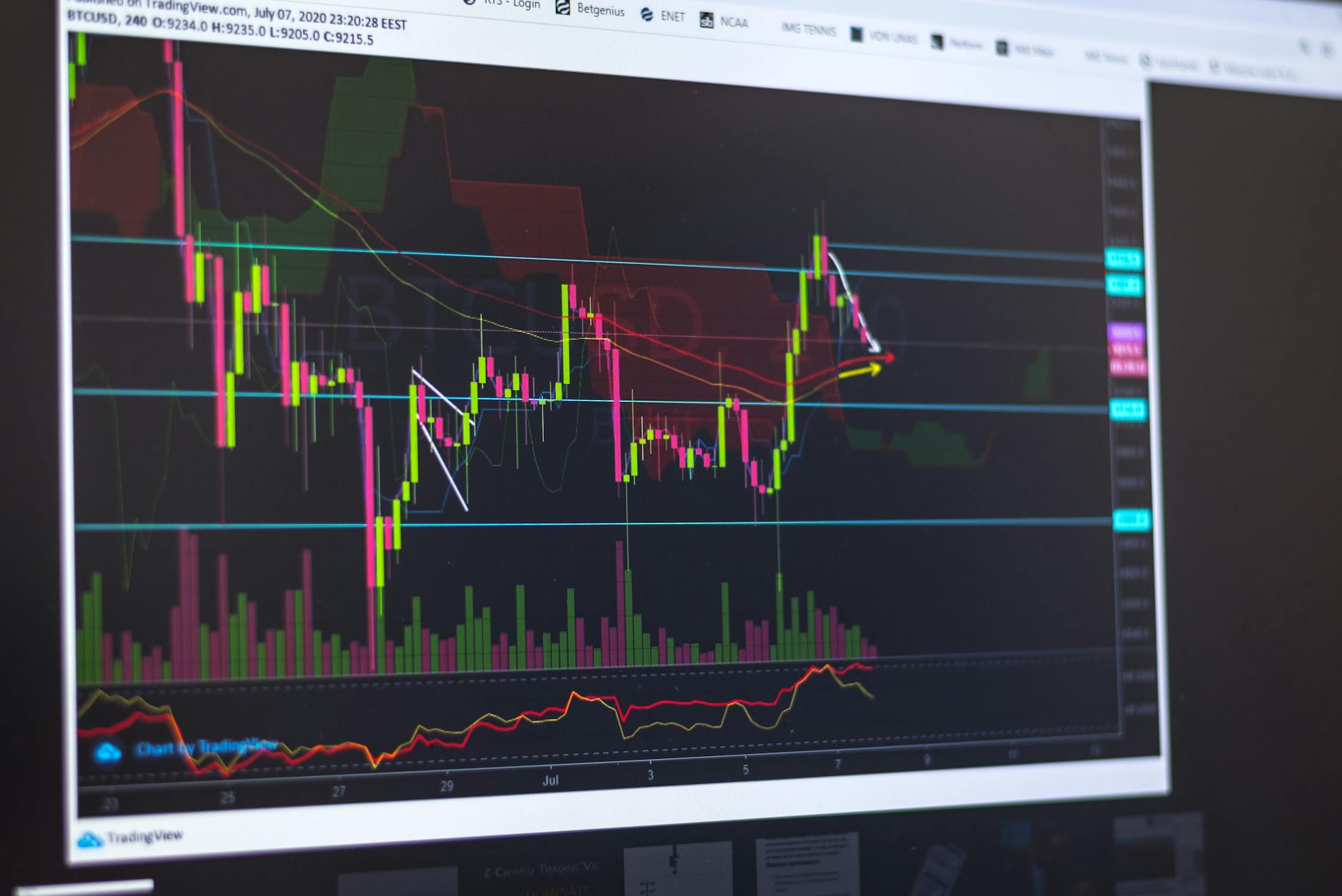
A Cautionary Tale About High-Stakes Trading
A cryptocurrency investor suffered a devastating financial loss, trading $50 million and winding up with just $36,000 after a single, miscalculated transaction. This incident, driven by flawed algorithmic strategies and unexpected market fluctuations, highlights the inherent risks associated with automated trading systems in the volatile crypto market.
In a climate where cryptocurrencies can fluctuate wildly within hours, investors must navigate a minefield of potential traps. A report from CoinDesk revealed that the loss was due to a combination of inadequate market analysis and faulty algorithms, illustrating the dangers of relying too heavily on automated trading.
A Closer Look at the Miscalculation
In the botched trade, the investor’s automated trading mechanism misjudged market volatility, leading to a catastrophic error that drastically diminished their crypto holdings. As markets remained unpredictable, the algorithms struggled to adapt, ultimately transferring approximately $49.964 million to the ethereal void of market losses.
This type of trading error isn’t an isolated incident, especially within the rapidly developing crypto landscape. In previous cases, such as the one where funds were redirected to scammers due to address tampering, investors continuously risk significant financial losses. The incident accentuates the need for rigorous risk management strategies in the algorithms underpinning trades. Traders cannot afford to lose sight of the risks posed by untested strategies or misconfigured systems.
Industry experts warn that as algorithmic trading becomes more prevalent, the potential consequences of these trading disasters will only escalate. Automated strategies, while offering efficiency and speed, can give a false sense of security. This reliance on technology without adequate human oversight may contribute to severe market pitfalls, as evidenced in this case.
The Market Response and Future Implications
Market analysts have reacted cautiously to this incident. The significant drop in the investor’s portfolio resonates within the broader crypto community, creating a heightened awareness of market vulnerabilities. Investors must now reassess their strategies, with calls for more robust risk controls that focus on real-time market analysis.
Many experts argue for increased regulatory oversight in the cryptocurrency space, particularly concerning algorithmic trading practices. As more investors turn to automated systems, the risk of substantial losses increases, prompting regulators to consider tighter controls to protect investors. This incident could guide future regulatory frameworks, emphasizing the necessity for the transparency and accountability of automated systems.
Furthermore, while minimizing risk is crucial, it also calls attention to financial literacy in trading environments. Investors must increasingly educate themselves on the challenges and complexities of algorithmic trading, understanding the markets they participate in rather than relying solely on technology.