Crypto Markets React to Geopolitical Unrest and Mixed Economic Signals
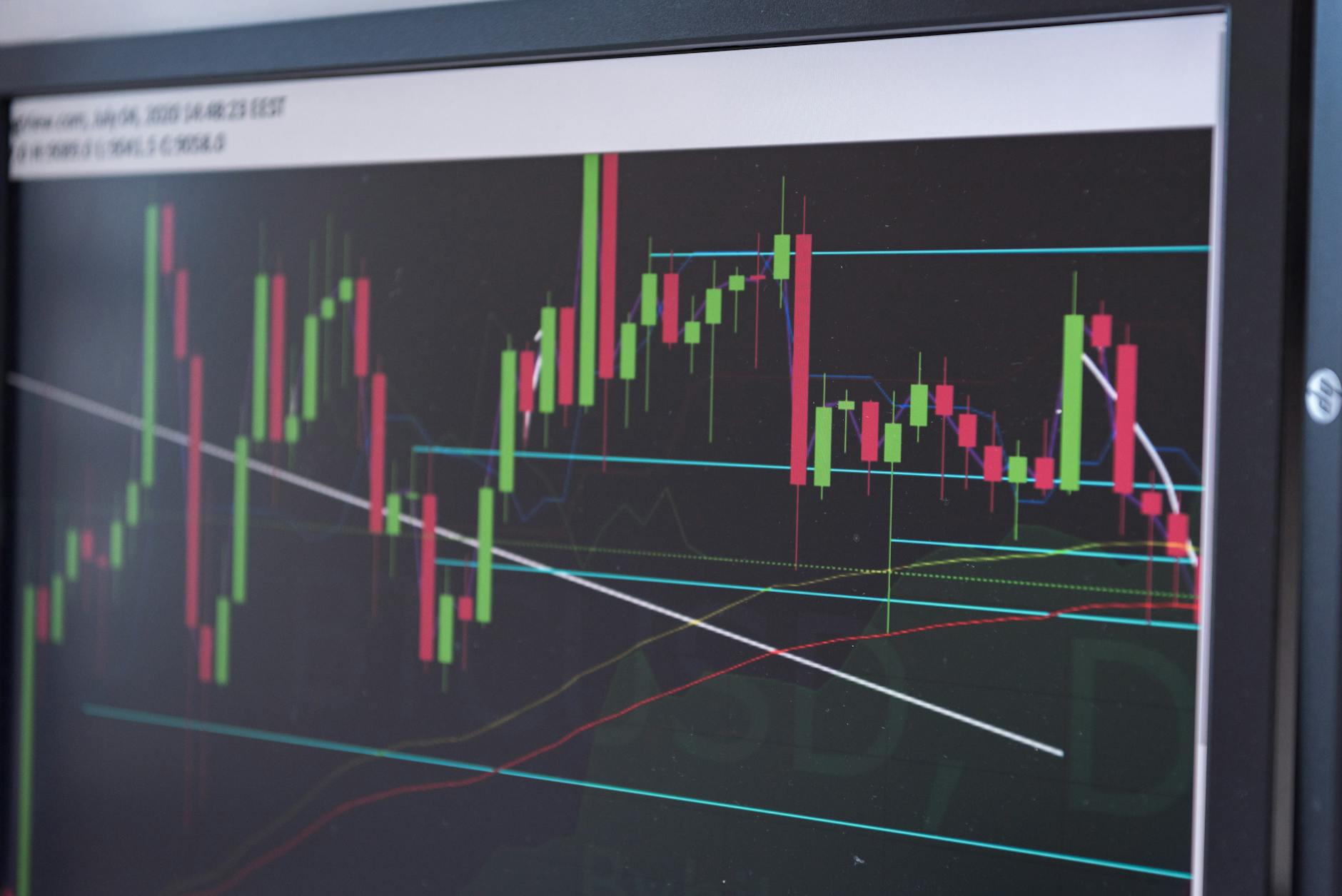
Bitcoin dropped below $64,000 on February 28, 2026, as geopolitical tensions escalated due to a U.S.-Israel attack on Iran, driving down the prices of major cryptocurrencies including Ethereum and Solana. This significant market response follows a recent historical peak of $125,000 in October 2025, from which Bitcoin has now fallen over 50%.
Analysts noted that today’s price action overshadowed a previously observed Bitcoin bottom signal, which had catalyzed a remarkable 130% price jump earlier this year. The current climate has created a complex picture for traders, with many unsure whether a rebound is imminent or if bearish sentiment will prevail in the short term, especially as macroeconomic pressures continue to weigh heavily on market dynamics.
Effects of Volatility on Major Cryptos
As Bitcoin slipped, altcoins were also affected, with SUI prices falling about 12% to approximately $0.88. Despite the recent launch of three spot ETFs by Canary Capital, Grayscale, and 21Shares aimed at revitalizing investor interest, SUI’s decline reflects persistent selling pressure at critical support levels, limiting the scope for a quick rebound.
Conversely, the Pi Network token climbed from $0.13 to $0.17, buoyed by favorable technical charts and rumors of new exchange listings, including Kraken. This suggests a divergence in market sentiment, with certain tokens experiencing bullish activity despite broader declines.
In a separate development, Circle launched USDCx on the Cardano blockchain, a stablecoin backed 1:1 by USDC, which initially minted $14 million. This integration aims to enhance USD-based transactions within various DeFi applications, including Minswap and Liqwid, responding to increasing user interest in stablecoin operations amidst the fluctuating market.
Regulatory Issues and Market Reactions
The crypto industry faced additional turbulence following significant security and regulatory incidents. South Korea’s National Tax Service inadvertently revealed mnemonic codes in a public statement, leading to the theft of 4 million PRTG coins valued at $480 million from seized cold wallets. The ensuing cyber probe highlights ongoing vulnerabilities within the crypto regulatory framework and raises questions about investor safety in light of increasing market manipulation risks.
Markets responded with caution; investors are particularly wary of volatility amid regulatory scrutiny. Stocks of companies linked to blockchain technologies, including Galaxy Digital, Bitfarms, and HIVE Digital Technologies, have seen significant trading volume. However, overall market sentiment favors a bearish outlook given the recent volatility.
Market Outlook: Short-Term Sentiment Remains Bearish
Looking ahead, traders are eyeing a critical support level at $60,000 for Bitcoin. Analysts emphasize that without a substantial shift in market sentiment, the potential for further losses remains high, especially with geopolitical risks persisting and speculative trading trends seen recently. Analysts are split on when the market might recover, with various opinions on whether conditions could improve soon.
This uncertainty underscores the broader implications of regulation and market adaptation in the crypto landscape, particularly as new stablecoins emerge and existing protocols face challenges from traditional finance and increased investor scrutiny. Investors and industry stakeholders will need to adapt strategies amidst a continually evolving environment, cautiously navigating potential pitfalls while seeking opportunities.