Cybersecurity Sector Reacts to New AI Security Tool
Anthropic unveiled its latest product, Claude Code Security, on February 20, 2026, triggering a significant downturn in major cybersecurity stocks as investors reassessed the competitive landscape in light of AI advancements. The innovative tool, designed to identify software vulnerabilities, offered a prompt response to growing anxiety over potential AI-related code weaknesses.
Designed for real-time vulnerability detection, Claude Code Security stands out by providing descriptions and quick fix suggestions alongside severity assessments. The tool’s capabilities surpass those of traditional cybersecurity mechanisms, which has led to concern among investors regarding the future viability of established firms in the sector. Its launch marks the second wave of disruption for enterprise software this month, following Anthropic’s earlier introduction of Claude Cowork plugins, which similarly affected stock prices.
Impact on Major Players
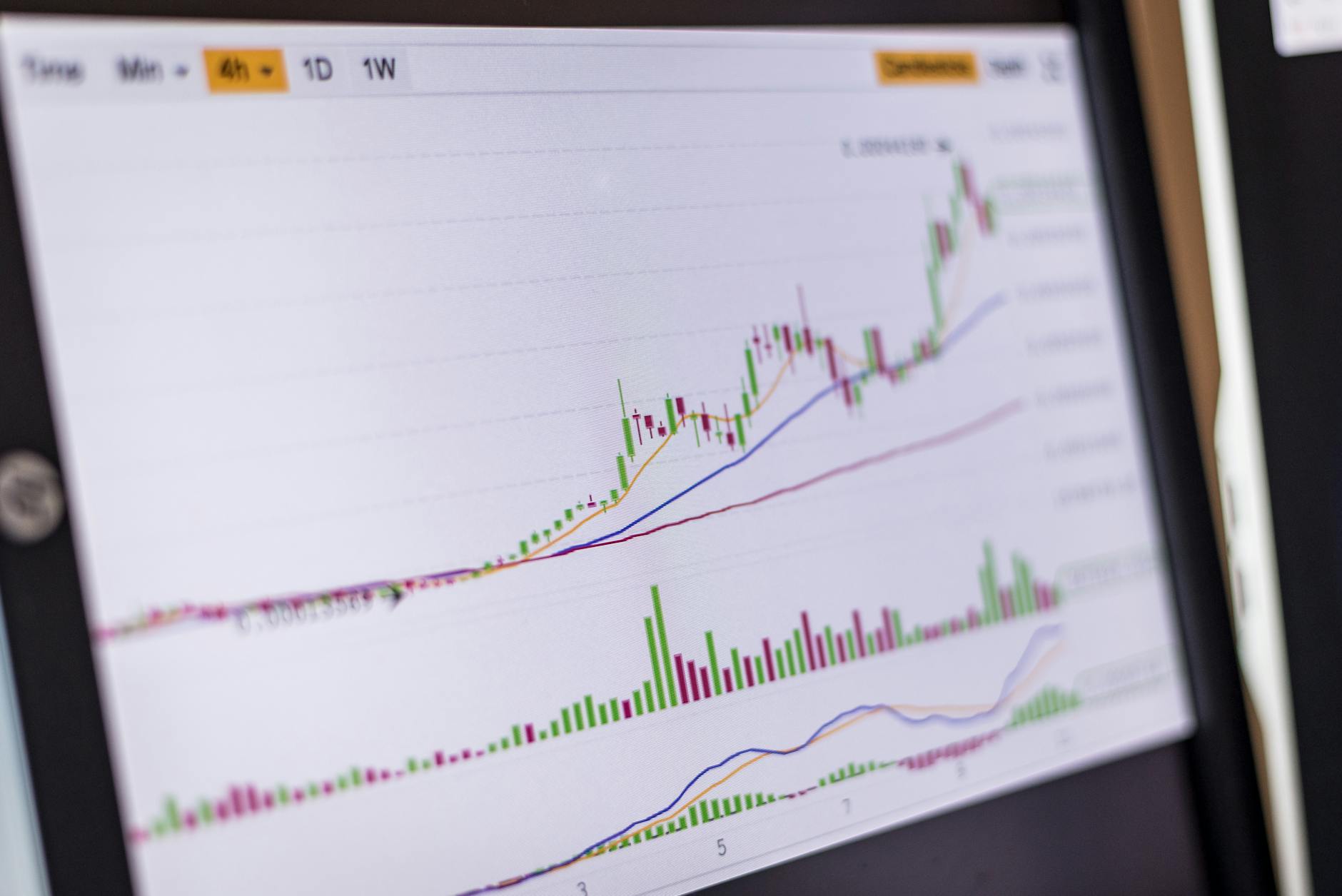
The immediate market reaction saw leading cybersecurity companies such as CrowdStrike Holdings decline by almost 8%, while Cloudflare and Datadog suffered similarly steep drops. This downward trend reflects a growing unease among investors that companies specializing in conventional cybersecurity services could face significant threats from automated solutions like Claude Code Security.
Additionally, the recent downturn adds to the ongoing narrative of cybersecurity stocks underperforming relative to broader market indices, particularly when compared to the S&P 500. In the past year, cybersecurity stocks have lagged behind by more than 36%, reflecting a shift in investor capital towards AI-focused firms and away from traditional cybersecurity plays, which now boast valuations at five-year lows despite steady enterprise budgets projected at $212 billion globally by 2025.
Expert Opinions and Future Outlook
Despite the adverse market reactions, CrowdStrike’s CEO downplayed the existential threat posed by AI systems, reinforcing the resilience of their operational framework. Analysts noted that AI cannot yet fully supplant human developers in security functions, highlighting the continued necessity for human oversight in cybersecurity tasks.
Analysts are now calling for regulatory oversight to ensure that the rapid deployment of AI-driven security tools does not exacerbate existing vulnerabilities. They advocate for enhanced collaboration between public and private sectors to foster a more robust security infrastructure capable of adapting to the evolving threat landscape.
As the dust settles on the initial market response, a blend of cautious optimism and skepticism characterizes the industry’s outlook. The pressure is on traditional cybersecurity firms to innovate and possibly reorient their strategies to stay relevant in an AI-dominant environment. With both public relations efforts and technological advancements paramount, the coming months will shed light on how incumbents navigate this burgeoning challenge.