
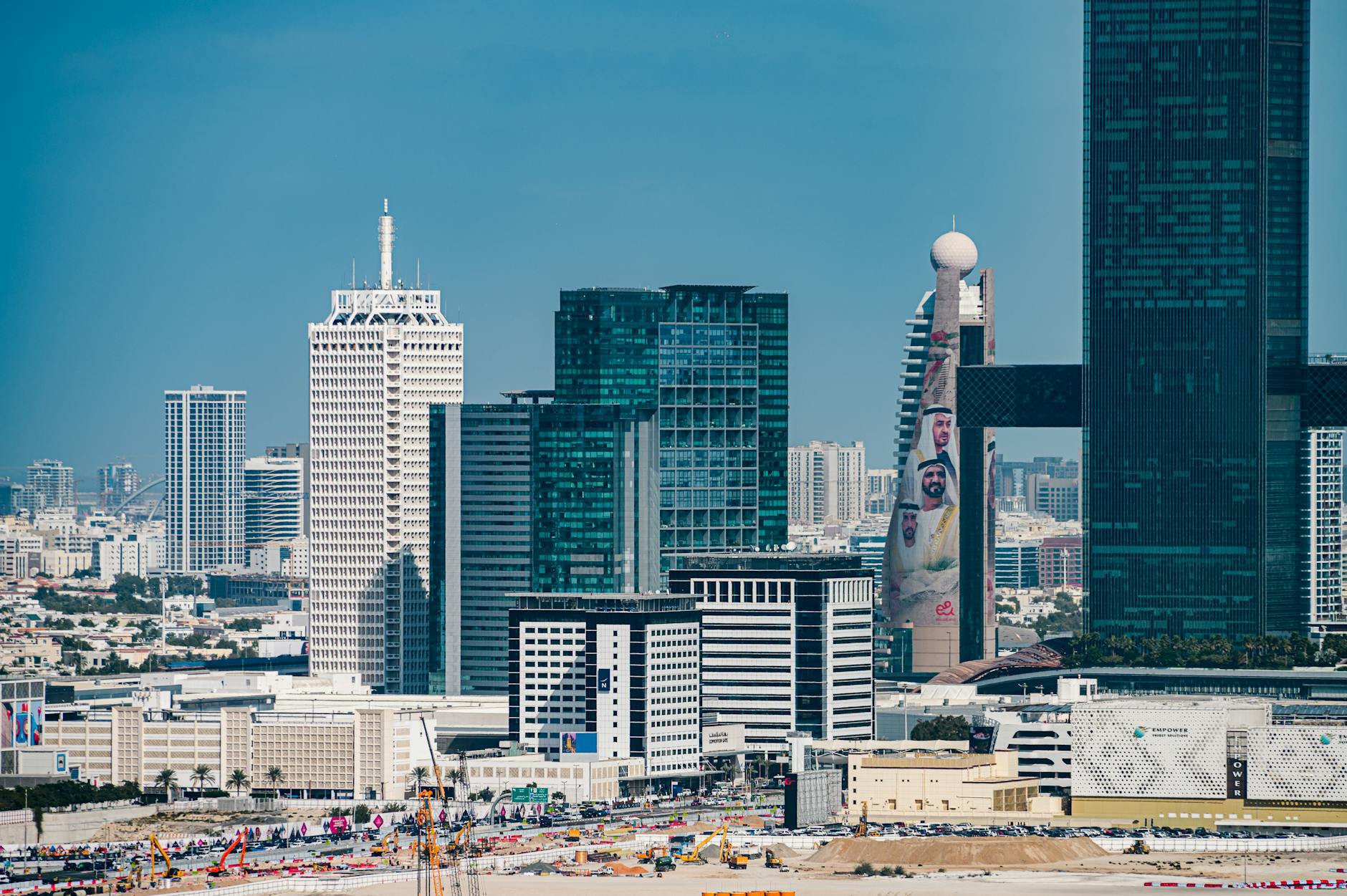
Dubai Tightens Regulations for Token Issuance
The Dubai Financial Services Authority (DFSA) has announced new regulations regarding the issuance of tokens, particularly focusing on stablecoins and real-world asset (RWA) tokens, as it aims to enhance market stability and promote investor protection.
In a bid to streamline the regulatory framework, Dubai aims to instill higher transparency and compliance standards in the rapidly evolving fintech space. The initiative also reflects the growing need for robust governance mechanisms, especially as digital assets become more mainstream. According to a recent report by Cointelegraph, the updated regulations clearly categorize digital asset tokens into two groups: stablecoins and RWA tokens. This categorization will require firms to adhere to stricter disclosure rules and risk management protocols, addressing historical volatility in the crypto market.
Implications for Stablecoin Issuers
The new regulations will particularly impact the stablecoin market, a segment that enjoys significant growth and interest from financial institutions. As reported in recent articles, the burgeoning stablecoin industry is now valued at approximately $323 billion, and regulatory clarity is crucial for its continued adoption.
The DFSA has instituted measures aimed at imposing stringent compliance requirements in reserve management, redemption processes, and defined custodian roles within the issuing framework. Notably, the DFSA’s chairman remarked that these structured standards should eliminate ambiguity and provide an essential safety net for investors.
This comes on the heels of similar developments in the United States, where the Federal Deposit Insurance Corporation (FDIC) is advancing a comprehensive framework for stablecoins, pushing for monthly disclosures and independent audits for reserves intended to back the tokens. Comparatively, Dubai’s regulatory guidance could serve as a model for other jurisdictions considering comprehensive frameworks for digital assets.
Broader Impact on Dubai’s Financial Landscape
Dubai’s move signals its ambition to solidify its standing as a global fintech hub. Industry experts see the updated regulations as a strategic measure to attract more fintech firms and innovators to the region. The government is eager to balance fostering innovation while also ensuring a protective framework for users and investors.
Additionally, the introduction of these regulations aligns with the global trend toward stricter oversight in the cryptocurrency realm executed by various governments aiming to create safer environments for digital transactions and asset allocation. By implementing these regulations, Dubai is poised to capitalize on a growing institutional acceptance of cryptocurrencies.
As the region increasingly attracts a diverse array of fintech companies, market insiders suggest that Dubai may benefit from an influx of international firms seeking a conducive business environment paired with transparent regulations. This dual regulation approach, focusing on compliance without stifling innovation, presents a compelling case for companies looking to establish operations in this rapidly evolving space.








