Key Takeaways
- Gold and silver experienced unprecedented drops, with gold losing 8% to below $5,000 and silver falling over 25% to under $85.
- The market crash wiped nearly $7 trillion from precious metals, attributed mainly to profit-taking, rising Treasury yields, and a shift towards riskier assets.
- This turmoil may lead central banks to reevaluate interest rates, signaling a potential realignment of investment strategies among market participants.
The Friday Meltdown: Precious Metals Plunge
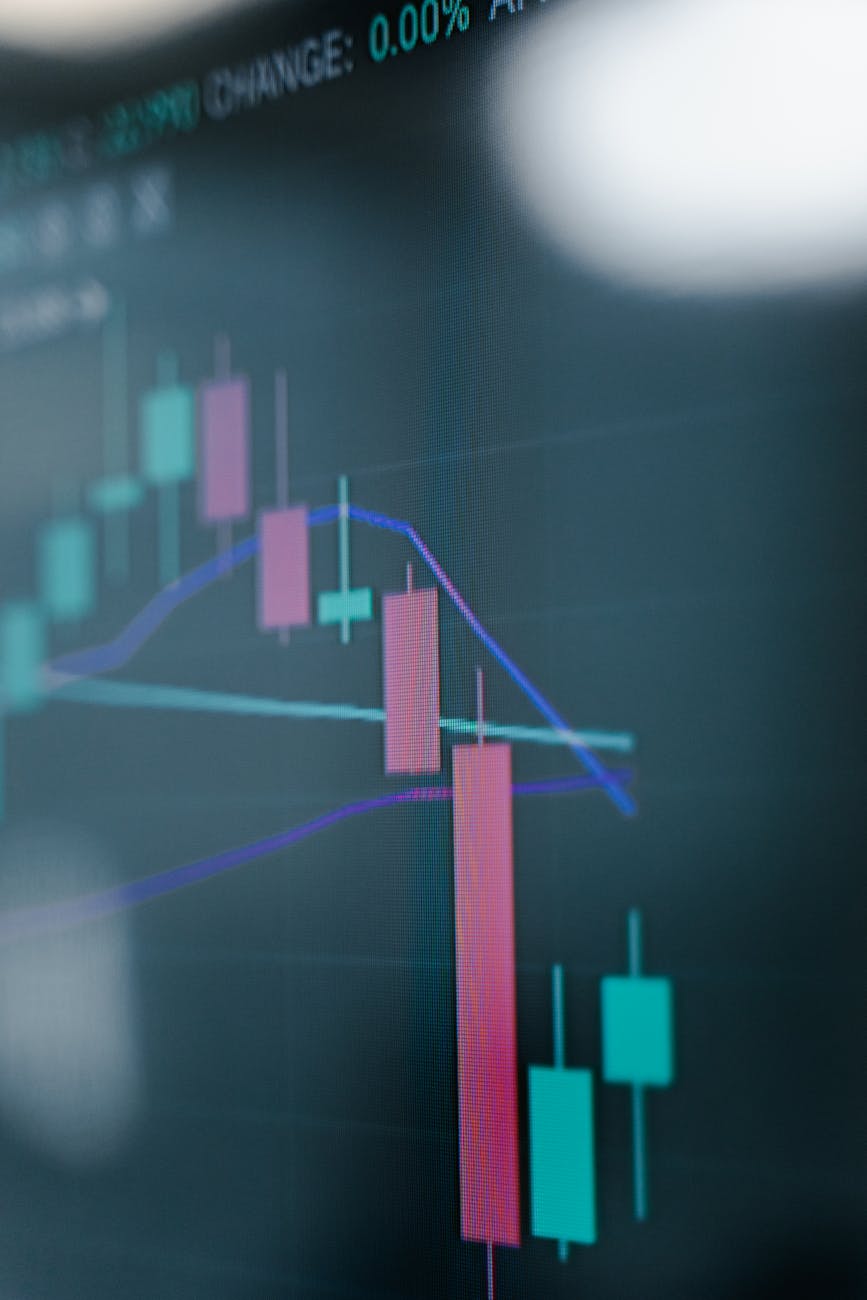
This past Friday, January 30, 2026, financial markets witnessed an extraordinary plunge in precious metals. According to new reports, gold prices sank by as much as 8%, reaching approximately $4,941 per ounce, while silver plunged more than 25%, slipping below $85. This selloff, the most severe for both metals since 1921, resulted in an estimated loss of nearly $7 trillion from the global precious metals market. The significant dip rattled both individual investors and exchange-traded funds (ETFs), raising concerns about the stability of these assets amid rising Treasury yields and shifting investor sentiment towards riskier investments.
Why It Matters
The ramifications of this downturn may be far-reaching. Investors had enjoyed dramatic gains in both gold and silver, with year-to-date increases of 18% for gold and an astounding 310% for silver, prompting many to lock in profits amidst fears of a market correction. Political developments, particularly the nomination of Kevin Warsh as Fed Chair by former President Trump, introduced a more hawkish tone towards inflation and bolstered confidence in the U.S. dollar. This environment, paired with easing political uncertainty, reduced the typical “fear premium” that typically supports precious metal prices. As the shift from safe-haven assets to high-risk assets continues, many investors may need to reevaluate their portfolios to align with emerging market dynamics. For further details, check out our related article on geopolitical impacts on cryptocurrency markets here.
What’s Next for Precious Metals?
In the wake of these dramatic price movements, analysts anticipate a period of consolidation rather than a prolonged bear market. This expectation is due to the lingering speculative demand for both gold and silver. High volatility remains a concern, particularly as central banks may contemplate adjusting interest rates in response to changing economic conditions. Notably, recent data has highlighted sluggish demand in major markets, such as a reported 80% year-on-year decline in UK gold exports and decreased Chinese imports. This trend might indicate a shift in global supply-demand dynamics that could weigh further on precious metals in the future. Notably, recent trading sessions have already indicated unprecedented liquidity challenges, marking a crucial juncture for hedge funds and trading desks as they adapt to the complex landscape ahead. As volatility continues, the potential impact on coverage and pricing structures in both traditional and digital asset markets is worth observing.