Key Takeaways
- Gold has reached an all-time high of over $5,000 per troy ounce due to geopolitical uncertainties and a weakening dollar.
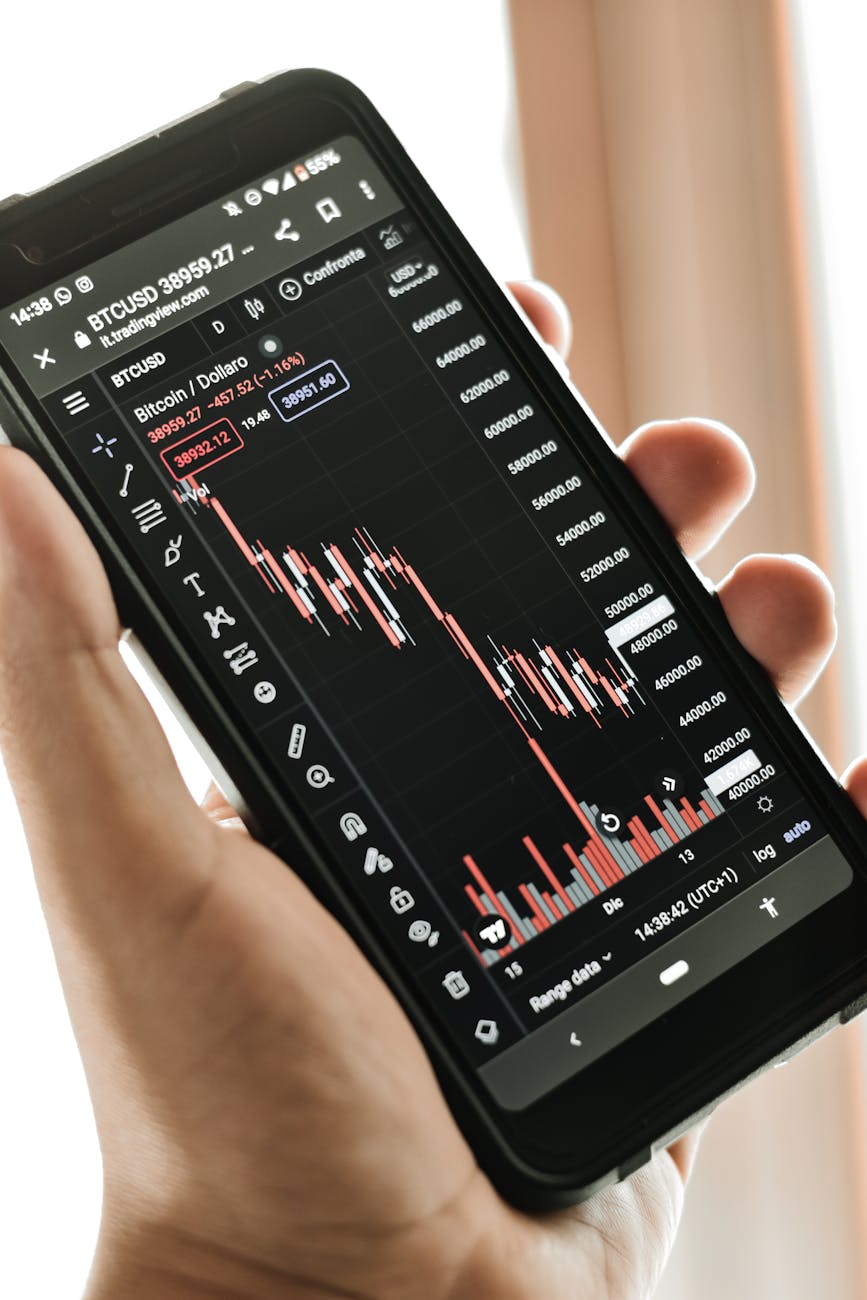
- Conversely, Bitcoin is experiencing significant price volatility, having recently slipped to $86,000.
- The contrasting market behaviors highlight an increasing divergence between traditional and digital assets during tumultuous economic periods.
What Happened
In a significant shift within the asset markets, gold reached an unprecedented price of $5,081.43 per troy ounce on January 26, 2026. This boost pushed the precious metal above the $5,000 threshold for the first time in history, demonstrating a remarkable 1.88% increase from the previous day and a staggering 17.27% rise within just one month. The surge is attributed to rising trade tensions, persistent geopolitical uncertainties, and a weaker U.S. dollar, factors that are encouraging investors to gravitate toward gold as a safe haven. Bitcoin, on the other hand, has oscillated, recently dropping to $86,000, suggesting a growing divergence in the fortunes of these two iconic assets, as reported by CoinDesk.
Why It Matters
This unprecedented high for gold comes amidst a backdrop of increasing market volatility and investor uncertainty, marking a notable shift in investor behavior. The shift is significantly framed by the geopolitical landscape, where ongoing trade tensions and a weaker dollar are driving asset choices, leading to gold’s dominant position in the current market dynamics. A detailed analysis can further explore how these geopolitical events intertwine with cryptocurrency markets, a theme previously discussed in our article on the intersection of geopolitical events and cryptocurrency markets.
What’s Next / Market Impact
The outlook for gold appears to remain bullish, with institutions like J.P. Morgan projecting potential broader market movement, anticipating prices could push towards $6,000 in the longer term as demand surges from both investors and central banks. In stark contrast, Bitcoin’s price fluctuations signal a period of instability, as it was observed slipping amidst this gold rally. For instance, over the past year, while gold has gained approximately 85.35%, Bitcoin’s recent price dip further complicates its recovery trajectory. This divergent performance between a traditional safe-haven like gold and a volatile digital asset like Bitcoin exemplifies the changing contours of investment strategies in uncertain times, suggesting a potential reevaluation of asset allocation strategies among both retail and institutional investors.