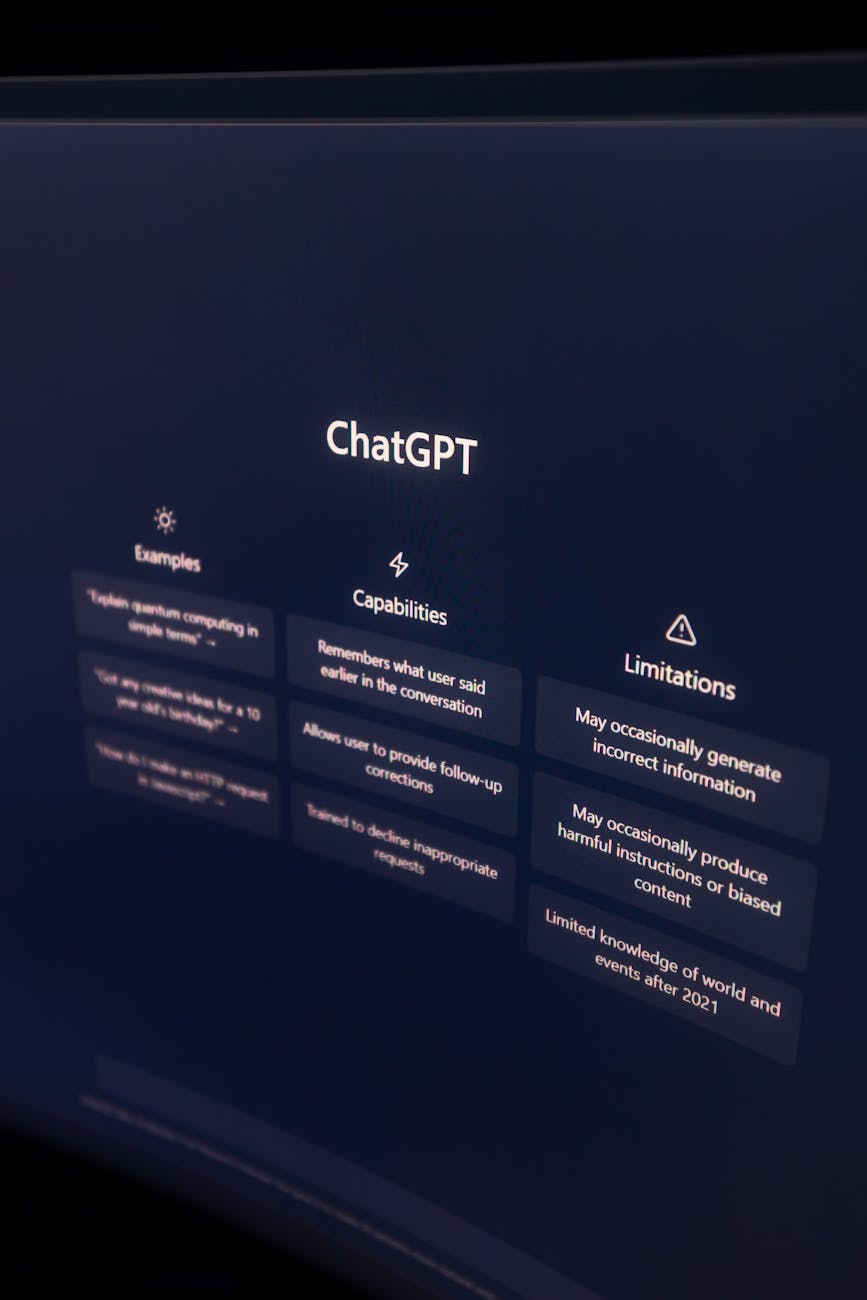
OpenAI Unveils GPT-5.5, Ushering in Autonomous AI Solutions
OpenAI launched GPT-5.5 on April 23, positioning it as a groundbreaking AI model capable of autonomously completing complex work tasks without human intervention. This innovation signifies a crucial step toward an AI superapp that can handle a variety of workflows across industries.
The new model, dubbed “Spud” by OpenAI, is designed to manage intricate and multi-faceted operations, enabling users to assign a variety of tasks and trust the system to plan, execute, and verify its progress. This leap in capability comes swiftly after the release of its predecessor, GPT-5.4, highlighting the rapid advancements within the artificial intelligence sector. “We’ve engineered GPT-5.5 to be the most intuitive model we’ve ever developed, capable of transforming productivity paradigms,” said Mark Chen, OpenAI’s Chief Research Officer.
AI’s Expanding Role in Diverse Sectors
Initially, industry analysts see potential in GPT-5.5’s focus on reducing the complexity of programming and research tasks. It reportedly excels in areas like coding, document generation, and scientific inquiry, aligning with the growing need for tools that can streamline workflows. For example, it has shown marked improvements in scientific research workflows, which can significantly aid drug discovery efforts, an area of increasing interest across multiple sectors, said Mia Glaese, Vice President of Research at OpenAI.
Nvidia’s involvement is noteworthy, as executives indicated that the new chips can decrease running costs for advanced AI models like GPT-5.5 by up to 35% per token, offering a potentially transformative impact on how enterprise computing approaches cost-effectiveness.
This advancement aligns with a broader trend as companies are increasingly leaning on AI models to automate labor-intensive tasks, thereby enhancing efficiency. According to industry reports, businesses around the globe are poised to leverage such autonomous systems, for various applications ranging from customer service to software development.
Challenges and Operational Concerns
Despite its ambitious capabilities, GPT-5.5 raises significant concerns about safety and transparency. OpenAI reports that it has implemented comprehensive safeguards to mitigate risks associated with its latest AI model, including extensive third-party testing and red teaming to identify vulnerabilities. However, critics argue that as models become more autonomous, the potential for misuse or unintended consequences increases, necessitating more robust regulatory frameworks.
Experts suggest that businesses and developers adopting GPT-5.5 will need to remain vigilant, weighing the benefits against ethical implications and the need for continuous oversight in AI deployments. The call for transparency in AI operations remains pressing as users and stakeholders anticipate smarter, but potentially more opaque, automation solutions.
Looking Ahead: Future Implications for AI and Business
As GPT-5.5 rolls out for paid subscribers through OpenAI’s ChatGPT Plus, Pro, Business, and Enterprise tiers, analysts project a surge in interest from enterprises eager to capitalize on its functionalities. Initial feedback indicates that users can significantly streamline multi-step tasks, positioning GPT-5.5 as a critical player in transforming how digital tasks are managed.
Ultimately, the implications of GPT-5.5’s autonomous task capabilities extend beyond mere efficiency. Its introduction signifies a pivotal moment in the broader trajectory of AI technology; companies and professionals must prepare for the evolving relationship between human workers and intelligent systems. Looking to the future, as organizations increasingly rely on such models, calls for adaptive frameworks to govern AI’s safe and ethical use will only grow stronger.