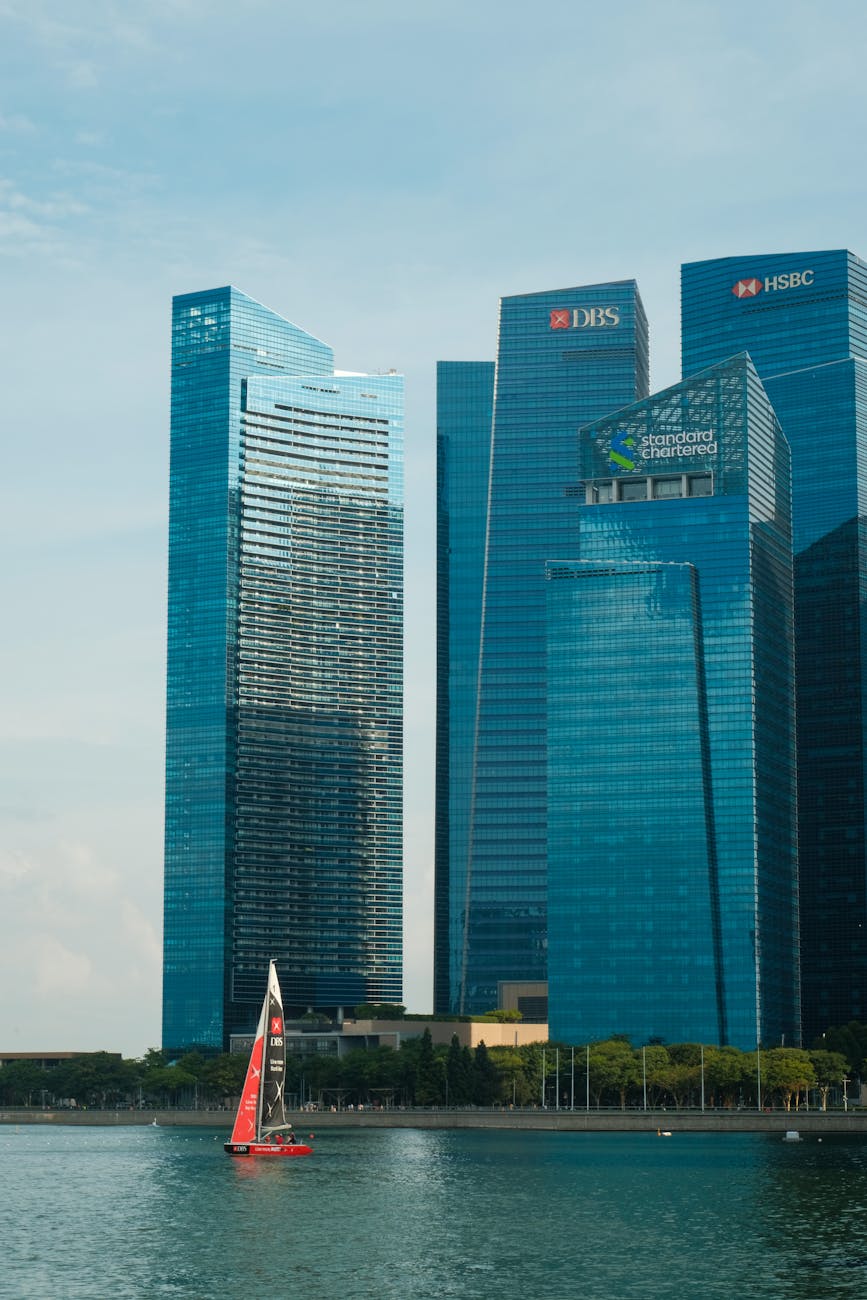
Stablecoins Take Center Stage in Hong Kong
HSBC and Standard Chartered are reportedly poised to be among the first institutions to receive stablecoin issuer licenses from Hong Kong’s Monetary Authority (HKMA) as early as March 24, according to local media reports.
This potential move marks a significant step forward for Hong Kong’s ambition to become a leading global hub for fintech, especially in the rapidly evolving area of cryptocurrency and digital assets. With 36 applications in the pipeline, the HKMA intends to grant a “small number” of licenses under the newly enacted Stablecoin Ordinance, which sets specific regulations for HKD-pegged stablecoins—a critical component of Hong Kong’s cryptocurrency strategy.
Regulatory Framework Emerges
The Stablecoin Ordinance, passed in May 2024, mandates that any issuer or manager of stablecoins in Hong Kong must now operate under a regulatory framework designed to enhance transparency and protect investors. However, as of March 13, 2026, no licenses had yet been granted; the perceived imminent approvals for HSBC, Standard Chartered, and OSL have led to speculation about how these institutions will influence the market.
Despite these assertions, the HKMA has confirmed that its public register currently reflects no licenses awarded to HSBC, Standard Chartered, or OSL. This indicates that while the market is rife with expectations, definitive approvals remain forthcoming. Reports and analysis suggest that the approval of major banking institutions like HSBC and Standard Chartered, particularly with their plans for HKD-pegged coins, would significantly bolster the credibility of Hong Kong’s digital asset initiatives in the face of increased scrutiny from mainland China regarding cryptocurrencies.
Standard Chartered’s engagement in the HKMA’s sandbox program has facilitated its positioning within this competitive landscape. In contrast, HSBC has not yet participated in similar programs, leaving its launch strategy somewhat less defined.
Implications for the Market
Looking forward, the issuance of these licenses could pave the way for widespread institutional adoption of stablecoins within Hong Kong’s financial infrastructure. Analysts suggest that the initial approvals may trigger a wave of digital currency products and services, enhancing liquidity and integrating stablecoins into traditional banking frameworks. Banks like HSBC and Standard Chartered could leverage their substantial client bases to facilitate greater cryptocurrency usage.
This anticipated regulatory clarity surrounding stablecoin issuance could also serve as a counterbalance to China’s strict crypto policies, further anchoring Hong Kong’s status as a favorable environment for crypto innovation.