Iran’s Missile Strike on Saudi Infrastructure
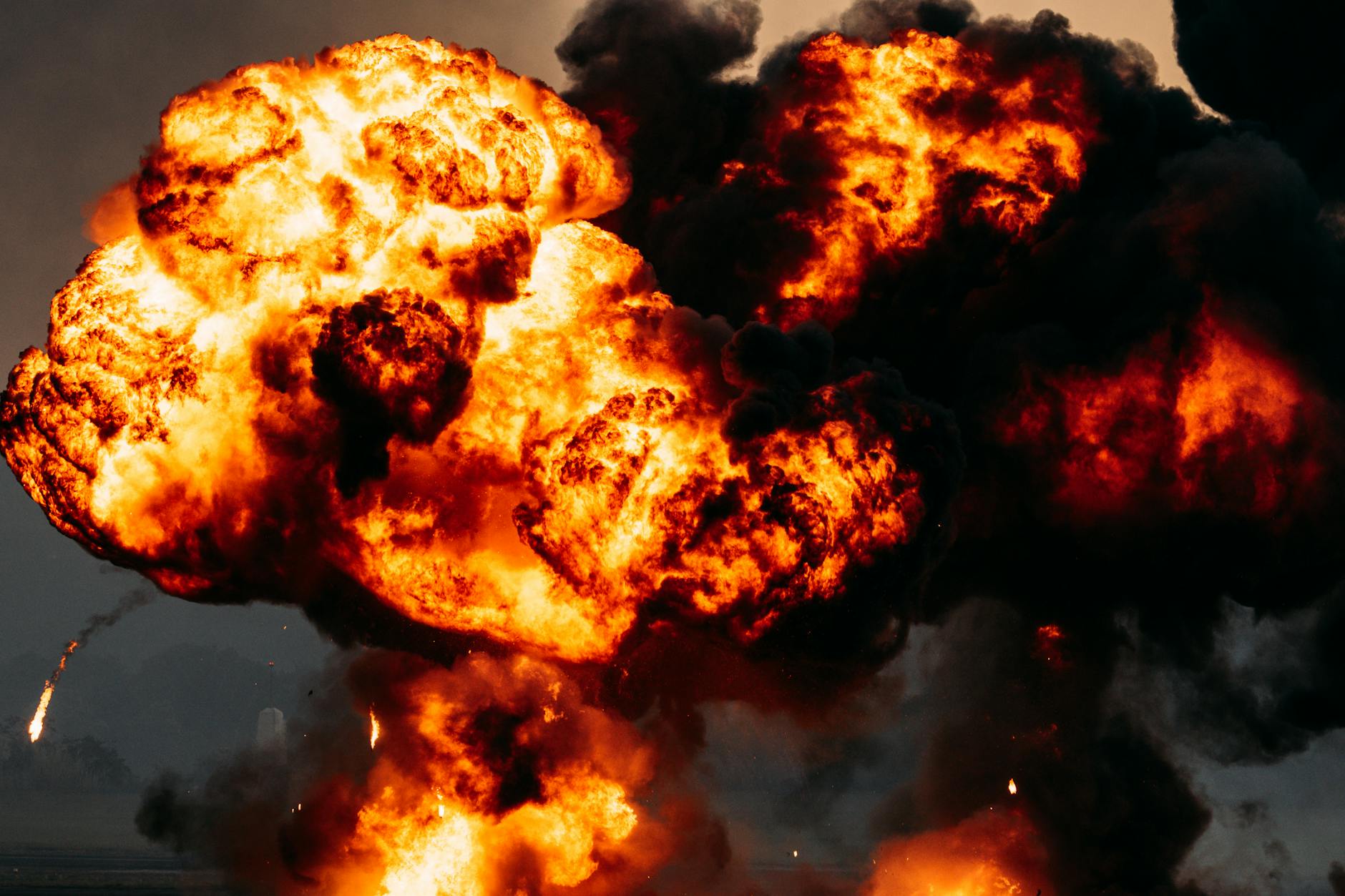
Iran launched a missile attack on Saudi Arabia’s East-West Pipeline shortly after a ceasefire was brokered by the U.S. and Pakistan. The assault, executed on April 8, 2026, interrupted the flow of hundreds of thousands of barrels of crude oil, raising alarms of escalating tensions in the region.
For over a month, conflict had raged between Iran and Saudi Arabia, with both nations engaged in a series of military actions that threatened to destabilize the already volatile Middle East. The ceasefire, agreed to by Iran, the U.S., and Saudi Arabia, was intended to mitigate hostilities, but Iran’s missile strike has effectively called into question the viability of the truce.
Israel’s Airstrikes on Lebanon Follow Closely
Simultaneously, Israel undertook extensive airstrikes on Lebanon targeting Hezbollah positions, which Israeli officials claimed were necessary for national security. With over 100 bombings reported in just ten minutes, this action marked the largest military operation in Lebanon in years, occurring just hours after the ceasefire was declared. The strikes were characterized by humanitarian groups as non-targeted and indiscriminate, exacerbating the already dire conditions for civilians in the bombarded areas.
Hezbollah had ceased its fire following the ceasefire agreement, believing it included a non-aggression clause. However, Israeli Prime Minister Benjamin Netanyahu reiterated that the ceasefire’s terms specifically excluded Lebanon, thus providing a pretext for the offensive military campaign.
International observers have expressed concern over the potential for a broader conflict. The consequences of these actions could escalate regional instability, drawing in various factions that may react to the renewed aggression.
Broader Implications and Future Outlook
Experts warn that both Iran’s missile attack and Israel’s airstrikes could lead to a spiraling cycle of revenge attacks and reprisals. The situation remains precarious, with analysts suggesting that regional allies may be compelled to re-engage militarily in defense of their respective interests. Iranian officials have already signaled intentions of retaliating against Israeli actions, which could ignite further confrontations.
As geopolitical tensions build, oil prices may face significant fluctuations due to fears of supply disruptions and further military engagements. The international community’s swift response and subsequent diplomatic efforts will be critical in preventing an escalation that could destabilize the entire region.