
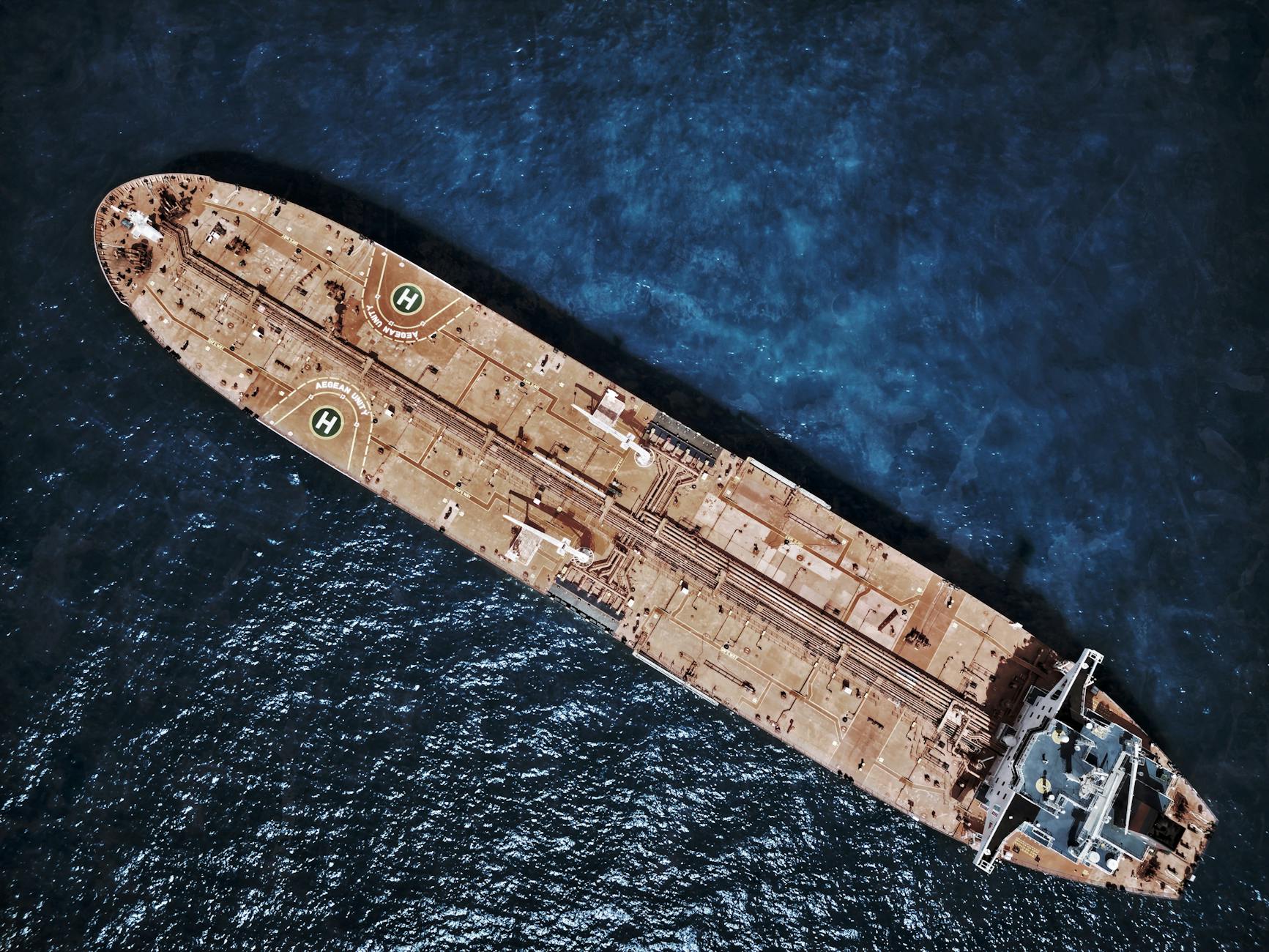
Iran Imposes Tolls on Oil Tankers in Cryptocurrency and Yuan
Iran’s Revolutionary Guard Corps (IRGC) has initiated the collection of tolls from oil tankers transiting through the Strait of Hormuz, with fees potentially reaching $2 million per vessel, payable in Chinese yuan and cryptocurrency stablecoins, according to reports from Bitcoin.com.
This significant move comes as Iran seeks to assert its control over the strategically vital waterway that sees the transit of a fifth of the world’s oil supply. The implementation of these tolls comes amid ongoing economic sanctions against the Iranian economy, providing a new revenue stream for the nation while it faces deep financial pressures.
Details of the Toll Collection
The newly introduced fees are intended to bolster Iran’s economic position during a temporary ceasefire, reported to last for two weeks. Despite Iran’s claims of enhancing maritime security, experts suggest that this fee collection increases the financial burden on international shipping lines already stretched by rising operational costs. The toll system raises critical questions regarding maritime law in international waters and the potential ramifications of Iran’s actions for global oil markets.
Following the announcement, shipping companies are scrambling to comply with the new toll requirements. Some vessels operating in the region are exploring alternative routes to avoid toll fees, a move that could disrupt global oil supply chains.
In an international context, Iran’s toll collection aligns with its broader strategy to leverage its geographical position. The Strait has historically been a geopolitical flashpoint due to its significance in global energy transportation.
Potential Implications for Global Trade
The introduction of these tolls may provoke pushback from various nations, particularly those reliant on uninterrupted oil flow. Analysts worry that Iran’s new maritime policy could lead to increased tensions in an already volatile region, potentially prompting military responses and further sanctions.
As discussions around security and shipping trade intensify, established shipping routes may undergo significant logistical shifts. Some analysts anticipate that countries relying heavily on the Strait of Hormuz for oil shipments will prioritize diplomatic engagements with Tehran to maintain access without toll repercussions.
Further complicating matters is the growing role of cryptocurrency in these transactions. The move to accept stablecoins indicates a shift in how Iran is choosing to operate amidst traditional banking restrictions. This strategy may provide Iran with greater anonymity and fewer sanctions-related issues.
Broader Geopolitical Considerations
Going forward, observers will be closely monitoring how the tolls impact international relations concerning oil supply and security in the Gulf region. Shipping companies and governments may need to reassess their operational strategies and diplomatic approaches as the situation unfolds. Experts suggest that Iran’s ability to enforce these tolls without significant pushback will signal its maritime influence and shape future shipping policies.
The strategic control Iran exerts over the Strait of Hormuz will likely remain a global concern, particularly as relationships between local powers and international stakeholders evolve amid economic sanctions and ongoing military considerations related to shipping security.








